
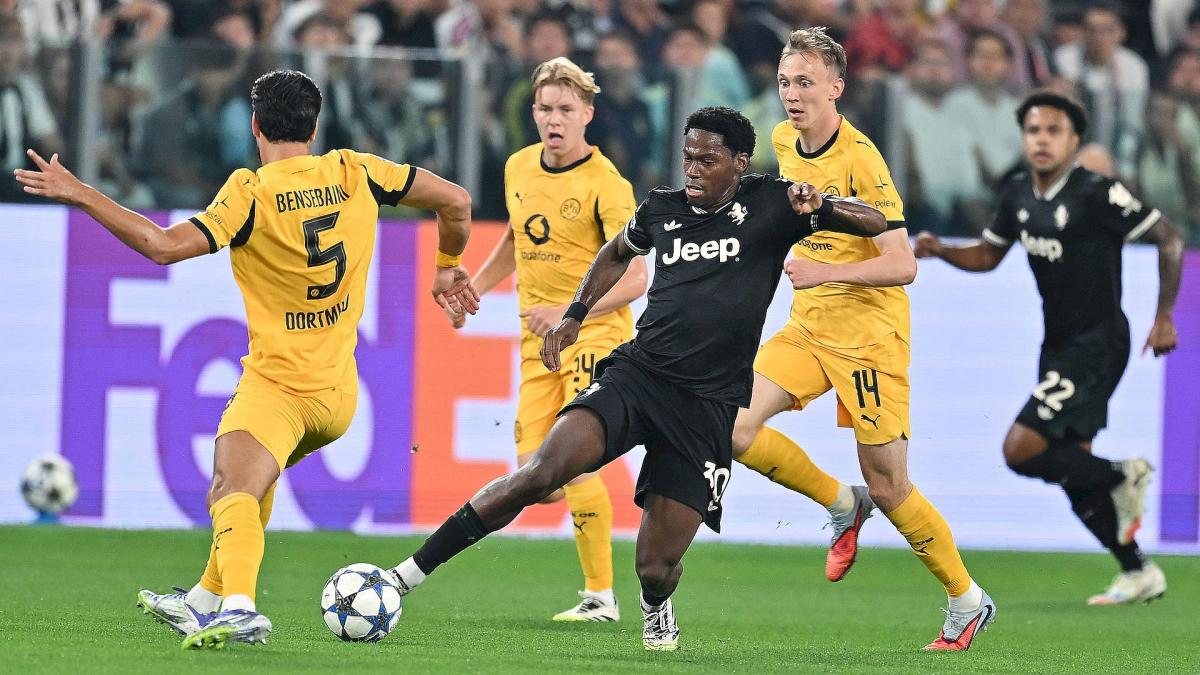
Juventus’ Disappointing Investment in Summer Transfers
The summer transfer window often ignites the hopes and aspirations of football clubs, but for Juventus, recent expenditures have raised eyebrows and questions. A recent article from La Gazzetta dello Sport bluntly summarises the situation with the headline: “From Openda to the João Mario mystery: Juve, you spent 70 million for one goal and two assists.” This captures the essence of a disappointing return on investment for the Old Lady, as coach Luciano Spalletti tries to navigate this turbulent phase with his squad.
High Stakes and Low Returns
Juventus invested a staggering €70 million in players including Jonathan David, Lois Openda, Edon Zhegrova, and João Mario during the summer transfer window. The results of this spending have been minimal, with Jonathan David scoring just one goal against Parma, coupled with an assist for himself and another by João Mario.
To compound matters, David, once a promising prospect, has seen his playing time dwindle under Spalletti. His participation has dropped significantly—from 57% under former coach Igor Tudor to a mere 13%. Openda’s situation is direr; he hasn’t scored since April 11 and is scarcely being utilized. Zhegrova’s contributions have also been limited, with negligible playing time as he struggles to regain his form.
Ineffective Rookies
The cost-benefit analysis of these summer recruits is glaringly unfavorable. Observing the lineup against Torino, it’s evident that Spalletti has leaned heavily on established players from previous management eras. The contributions from the new signings have been minimal, leading to increased scrutiny of their effectiveness.
Currently, Spalletti appears hesitant to integrate these rookies into critical match situations. Officially, he states that he is still evaluating his squad and players. However, the stark reality is that his tactical plans—shifting from a 3-4-2-1 formation to potentially a 4-3-3 or a dual-attacker approach—leave little room for the underperforming newcomers.
Future Prospects for Underperforming Signings
As the season progresses, rumors swirl about the future of Jonathan David, who possesses one of the highest salaries at Juventus. The possibility of a January transfer is already being speculated, particularly as both David and Openda find themselves on the fringes of the starting lineup. This dilemma raises important questions: Are these players adequately suited to Juventus’ needs, or is the management responsible for these high-stakes gambles?
In the cutthroat world of football, where financial decisions can deeply affect a club’s trajectory, Juventus must reevaluate its recruitment strategy to avoid similar pitfalls in the future.
Conclusion
Juventus has invested heavily in talent that has yet to produce the desired results, raising alarms about not only the returns on their investment but also their long-term sustainability in a fiercely competitive league. As Spalletti settles into his role, the focus should shift toward maximizing the potential of both the veterans and newcomers, ensuring that the financial resources allocated translate into on-field success. In football, as in life, every euro counts, and Juventus must find a way to turn their investments into tangible results.