

The Innovative Mosquito Release Program in Réunion Island
In the battle against mosquito-borne diseases, the need for innovative solutions has never been more pressing. In Réunion Island, entomologist Jérémy Bouyer is at the forefront of an ambitious project aimed at tackling this global health issue. His work, highlighted in the OpTIS initiative (standing for “ Technique of the Sterile Insect ”), targets vector control through the release of genetically sterilized male mosquitoes.
Bouyer’s vibrant enthusiasm is palpable as he speaks about his work. He is well-known for his work against the tsetse fly in Africa and is respected globally for his strides in mosquito research. “I have an idea for a patent every month,” he admits with a humorous touch, revealing the spirited nature behind the intense scientific research he’s conducted.
The Context of the Chikungunya Epidemic
The urgency of Bouyer’s project can be traced back to the persistent epidemics affecting Réunion Island, notably chikungunya and dengue. In recent years, the region has witnessed a resurgence of chikungunya cases, with 195,800 individuals consulting healthcare professionals due to symptoms associated with the virus, which causes severe fevers and debilitating joint pain. Statistics released by the Regional Health Agency indicate that at least 20 deaths have been attributed to this outbreak.
Historically, the 2005-2006 outbreak resulted in about 34% of the island’s population contracting the illness, emphasizing the significant stakes involved. With a pressing public health concern, Bouyer’s project brings a sense of hopeful innovation to a community ravaged by mosquito-transmitted diseases.
Mechanism of the Sterile Insect Technique (SIT)
The Sterile Insect Technique seeks to disrupt the reproduction cycle of mosquitoes. By releasing sterilized male mosquitoes, the hope is for these males to mate with wild females, resulting in no fertilization and thus, fewer new mosquitoes. This method not only curtails the mosquito population but also offers an environmentally sustainable solution to pest control.
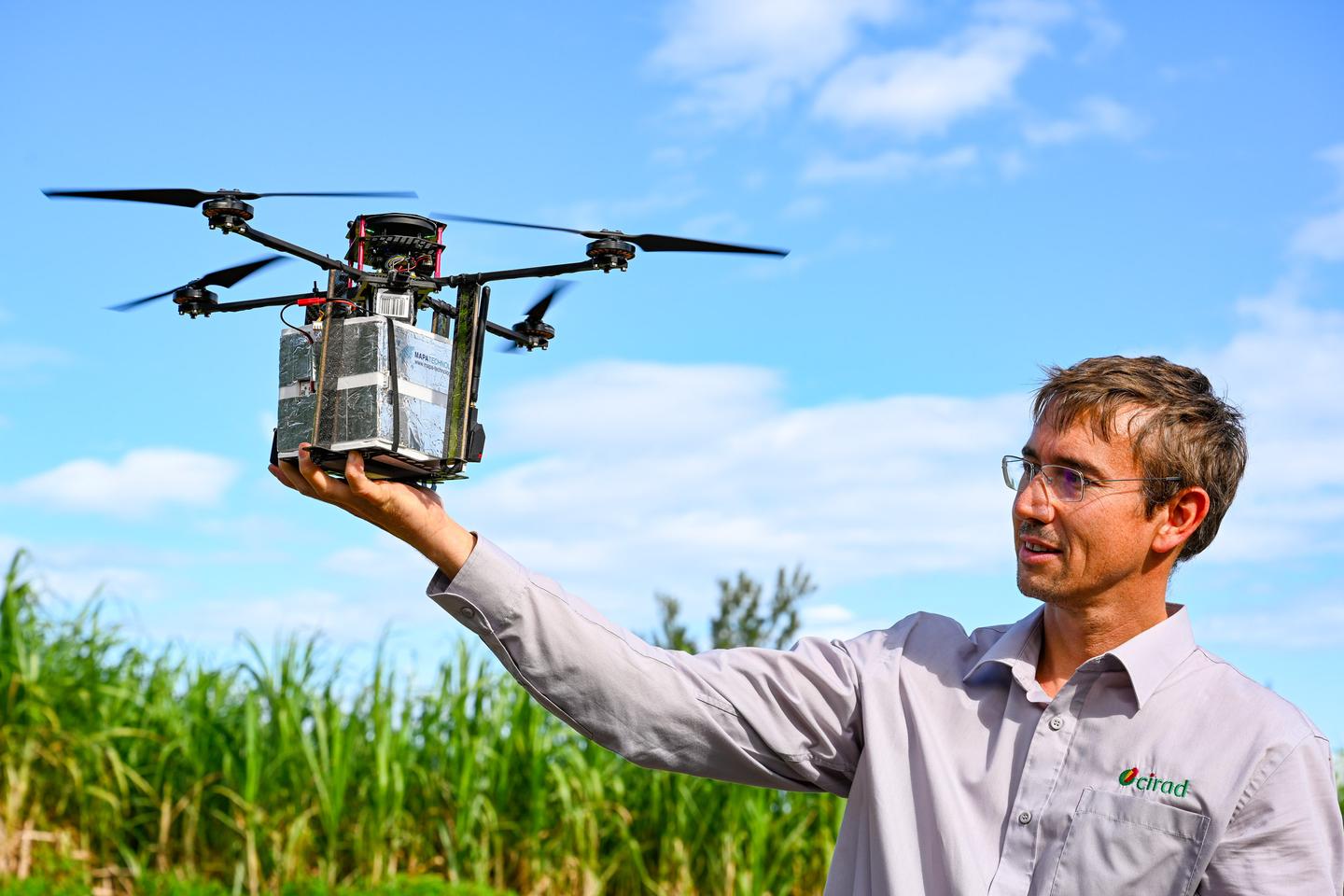
Bouyer describes his version of SIT as a “boosted” technique. The project employs advanced methods, using drones to efficiently disperse these sterile males across wide areas. This modern application showcases a synergy of technology and natural science, a hallmark of 21st-century research.
The Awaited Outcomes and Future Directions
With trials already underway, initial assessments have demonstrated a noteworthy reduction in mosquito populations in treated areas. The researchers are optimistic that once the results are consolidated, this program could provide an essential blueprint for similar efforts around the globe.
The long-term objective is to establish a sustained reduction in not just the mosquito population, but also in the transmission rates of diseases such as chikungunya and dengue. The potential of Bouyer’s project could extend beyond Réunion Island, propelling it onto the international stage as a key intervention against vector-borne diseases.
Community Engagement and Public Awareness
An essential component of the OpTIS project is community involvement. Public acceptance is crucial for the success of this bio-control method. Bouyer emphasizes the importance of educating the local population about the benefits and the science behind the initiative. Workshops, informational sessions, and public meetings have been organized to foster an understanding of how these interventions work.
As Réunion Island grapples with the implications of climate change and its impact on mosquito populations, innovative strategies like those developed by Bouyer hold significant promise. They not only address immediate health challenges, but also pave the way for sustainable environmental practices in vector control.
In conclusion, the collaborative efforts seen in projects like OpTIS highlight the importance of scientific research in public health. By combining modern technology with traditional ecological principles, researchers like Jérémy Bouyer are spearheading a revolutionary approach to managing mosquito populations and reducing the incidence of vector-borne diseases.
General News – 2