
The Legal Battle Over Celebrity Photos
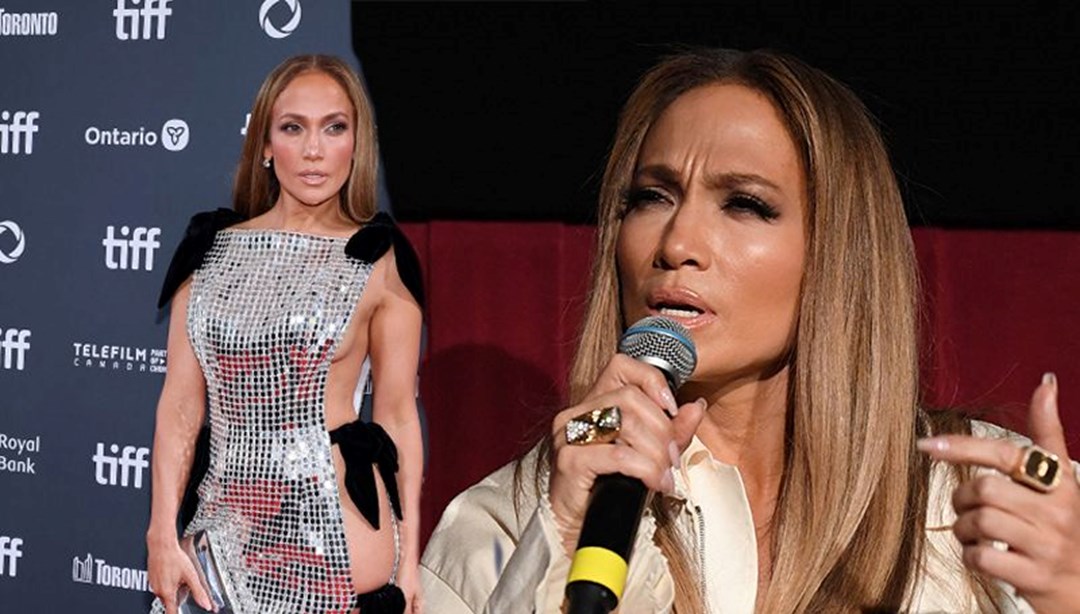
In recent news, photographer Edwin Blanco and his agency, Backgrid, have filed a lawsuit against superstar Jennifer Lopez, claiming that they own the copyrights to two photos of her. This lawsuit highlights the ongoing tensions in the world of celebrity photography, where the value of capturing a moment can escalate into significant financial disputes.
The Details of the Lawsuit
The lawsuit centers around the claim that Backgrid and Blanco are seeking $150,000 per photo. This hefty price tag has raised eyebrows and emphasizes the high stakes involved in celebrity image rights. Lopez, known for her dazzling appearances and iconic fashion decisions, was photographed in a striking outfit consisting of a white fur and a white dress. The images were taken as she entered a lavish party at the iconic Chateau Marmont in Los Angeles, a frequent hotspot for Hollywood’s elite.
The Importance of Copyright in Photography
Copyright laws are essential in protecting the rights of photographers, especially in the realm of celebrity photography. When a photographer captures an image, they automatically retain certain rights over that work. These rights allow them to sell, distribute, or license their photos. However, the enforcement of these rights becomes complicated in cases involving high-profile individuals.
In Lopez’s case, the photos were likely taken without her explicit permission, a common practice in paparazzi photography. This raises ethical questions about privacy and consent. While photographers argue that the images are part of their work, the subjects of these photos often believe they deserve control over their public representation.
Celebrity Privacy vs. Public Interest
This lawsuit strikes at a critical intersection of celebrity privacy and public interest. On one hand, public figures, especially those as prominent as Jennifer Lopez, can be seen as fair game for photographers due to their fame. On the other hand, celebrities maintain a right to privacy, particularly in private settings or during moments they did not choose to expose.
The debate continues as to where the boundaries of public interest lie. In the digital age, where images can spread like wildfire, the stakes have never been higher for both photographers and celebrities. This intersection of rights, ethics, and economics forms a complex tapestry that influences the lives of those in the public eye.
The Role of Agencies in Celebrity Photography
Agencies like Backgrid play a crucial role in this industry. They not only represent photographers but also manage the distribution of images. This relationship can amplify disputes like the one currently facing Lopez. Agencies often have strict contracts and guidelines, necessitating legal action when they believe their rights are infringed upon.
Moreover, agencies become the gatekeepers of these images, deciding which photos get published and which do not. This control can create dilemmas around media ethics, particularly when the focus is on children or other vulnerable individuals associated with celebrities.
The Financial Implications of Celebrity Photography
The financial stakes in celebrity photography can be astounding. A single photo of a celebrity can fetch thousands, if not millions, depending on the context. The lawsuit’s claim of $150,000 per image raises questions about how market values are assigned to photographic works.
Additionally, the existence of paparazzi culture has led to an escalated competition among photographers. As the demand for exclusive content increases, many photographers are willing to push boundaries for the sake of a coveted shot. This dynamics can lead to fraudulent situations, where the legal ownership of images is contested intensely in courts.
The Future of Celebrity Photography
As the industry evolves, so too do the laws surrounding celebrity photography. With emerging technologies and changing social norms, the expectations of privacy for public figures are continually being redefined. For instance, the rise of social media has allowed celebrities to share their own lives directly with fans, thereby challenging the traditional roles of photographers and media outlets.
Moreover, ongoing discussions regarding ethical journalism and respect for privacy will likely impact future lawsuits of this nature. The outcomes of such legal battles could set precedents, influencing how both celebrities and photographers navigate their respective rights and responsibilities in the media landscape.
Conclusion
In summary, the lawsuit filed by Edwin Blanco and Backgrid against Jennifer Lopez highlights the complex relationship between celebrity culture, photography rights, and copyright law. As these issues unfold, the implications will extend beyond this singular case, possibly redefining norms within the industry. The ongoing discussions surrounding privacy, representation, and legality continue to shape the landscape of celebrity photography, making it a hot topic for legal scholars, cultural critics, and fans alike.