
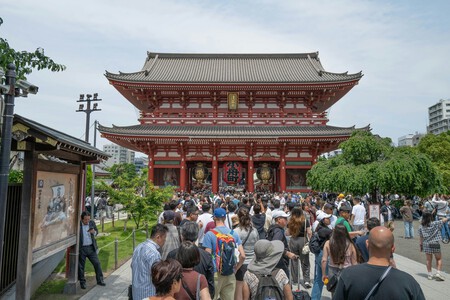
Japan’s Overwhelming Tourism Surge
Japan has experienced an overwhelming influx of foreign tourists in recent years, driven by a combination of the yen’s weakness, the pent-up demand following the pandemic, and the country’s rising popularity on social media. Last year alone, Japan welcomed an astounding 42.7 million international visitors, exceeding all previous records and triggering a heated discussion about over-tourism. This massive flow has created significant discomfort in popular cities such as Kyoto, Nara, and Osaka, prompting some local governments to consider tax increases and strategies to curb tourist numbers.
The China Factor: A Declining Demand
Amidst discussions of controlling tourism, Japan faces a dramatic decline in visitor numbers, particularly from China, its largest source of foreign tourists. The geopolitical tensions between China and Japan, notably concerning Taiwan, have cast a shadow over Japan’s tourism future. The question remains: is the reduced demand from China a blessing or a threat to the Japanese economy?
Record-Breaking Visitor Numbers
In 2024, the Japan Tourism Organization reported that Japan had never seen over 40 million annual visitors until last year. This landmark achievement underscores the evolving landscape of tourism in Japan; it surpassed 31.9 million visitors in 2019, the year before the pandemic. The government’s goal is to attract 60 million visitors annually by the end of the decade, which would significantly boost the economy. For reference, foreign tourists spent an impressive $60 billion in Japan in 2025.
The Complexities of Tourism
While increased tourism provides a significant economic boost, it has created tensions in various destinations. Surreal incidents have occurred, such as prohibiting “paparazzi tourists” in Kyoto to protect geishas from harassment, and installing fences in Fujikawaguchiko to block views from crowded spots. Festivals like Sakura have been canceled due to overwhelming visitor numbers that disrupt local life, prompting the Yamanashi region to charge fees for climbing Mount Fuji.
Geopolitical Tensions Emerge
The deterioration of Japan-China relations began after Prime Minister Sanae Takaichi announced that Japan would mobilize its self-defense forces in the event of a Chinese invasion of Taiwan. This bold stance compromised Japan’s decades-old policy of strategic ambiguity, further straining relations and igniting diplomatic retaliation from Beijing.
Economic Implications for Japanese Tourism
China is one of Japan’s largest tourist markets, accounting for 19% of all visitors as of 2024, trailing only South Korea. Chinese travelers not only travel in large numbers but also tend to spend significantly while visiting. However, recent conflicts have already seen a 45% drop in Chinese tourist arrivals by December 2025. Japan has fallen off the short list of preferred destinations for many Chinese tourists planning their Lunar New Year trips, with expectations that hotels could see a 60% decrease in Chinese guests.
The Broader Impact
The implications extend beyond visitor numbers; Japan’s overall tourism revenue has already begun to decline, registering a 2.8% decrease in the last quarter of 2025—the first decline in over four years. The financial forecast is grim, with estimates suggesting that Japan’s tourism sector could face losses of $1.2 billion due to the ongoing diplomatic fallout with China. While Japan continues to attract tourists from other regions, neighboring South Korea emerges as a favored alternative for Chinese travelers.
Conclusion
Japan’s desire to manage tourism has taken an unexpected turn with geopolitical tensions affecting its economy. The country’s idyllic landscapes and rich culture remain appealing, but the current situation challenges Japan to find a sustainable balance between nurturing tourism and addressing international relations. The future of Japan’s tourism hinges on its ability to adapt to these evolving dynamics.