
The Data Center Race in AI
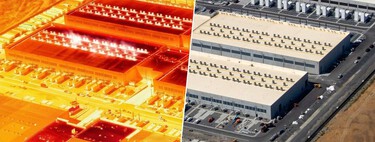
As the United States, Europe, China, and Middle Eastern countries engage in an escalating race to dominate artificial intelligence (AI), the battle for data centers becomes increasingly crucial. These massive facilities are essential for training AI systems, necessitating tremendous amounts of energy. Unfortunately, the U.S. faces significant hurdles, with estimates indicating that half of its planned data centers for 2026 will be delayed or canceled.
Not a Financial Issue, But a Structural One
The financial backing for AI development is monumental. Tech giants like Meta, Amazon, Microsoft, and Google are set to invest over $650 billion this year in AI infrastructure. This figure surpasses historical expenditures like the Apollo moon landing and the 19th-century railroad expansions. However, while private capital is abundant, state support through regulatory decisions and energy planning plays an equally vital role in the deployment of these facilities.
The Tyranny of 24/7 Operations
Recent discussions spotlight a phenomenon termed the “tyranny of 24/7,” where AI companies require a continuous energy supply. Although AI is projected to help optimize electricity consumption by the 2030s, its growth is currently overwhelming traditional grids. Projections suggest that energy consumption by data centers could rise by 175% by 2030, accompanied by significant increases in emissions from companies that pledged to reach ‘net zero’ by 2050.
An Energy Bottleneck
As the tech industry increasingly relies on powerful platforms like those developed by AMD and NVIDIA, energy emerges as the key bottleneck. On one side, numerous companies are planning private nuclear plants, while gas and coal continue to be options during peak demand times. Concurrently, the essential infrastructure within data centers, including transformers, switches, and batteries, is falling prey to supply shortages.
Notably, Panasonic, a key battery supplier, has announced that its annual production is sold out, yet demand continues to skyrocket.
Bad Forecasts for Expansion
Bad news is looming on the horizon as reports suggest that many data centers in the U.S. could face delays or cancellation by 2026. This reality poses a significant threat to an industry that cannot afford setbacks, especially as companies like Anthropic and OpenAI gear up for public offerings. In the face of fierce competition from China, whose expansion efforts seem unfazed, U.S. companies must navigate these challenges carefully.
The Geopolitical Dilemma
The existing geopolitical tension between the United States and China complicates matters further. American companies find it increasingly difficult to procure essential components like batteries and solar panels from China, which leads in these technologies. NVIDIA’s CEO, Jensen Huang, has noted the need for American firms to reconsider their stance and take advantage of Chinese advancements, despite the ongoing tech war.
The Energy Demand of Data Centers
Data centers in the U.S. are projected to consume up to 12 gigawatts (GW) of energy by 2026—enough to power over ten million homes. While electrical infrastructure accounts for less than 10% of the total cost of a data center, facilities cannot function without adequate energy supply. The U.S. has the potential for solutions but must actively engage and implement strategies to address these pressing energy challenges.
As the data center race intensifies, it’s vital for nations to adapt their strategies, embrace renewable energy, and rethink international collaborations to maintain a competitive edge in the burgeoning AI landscape.