
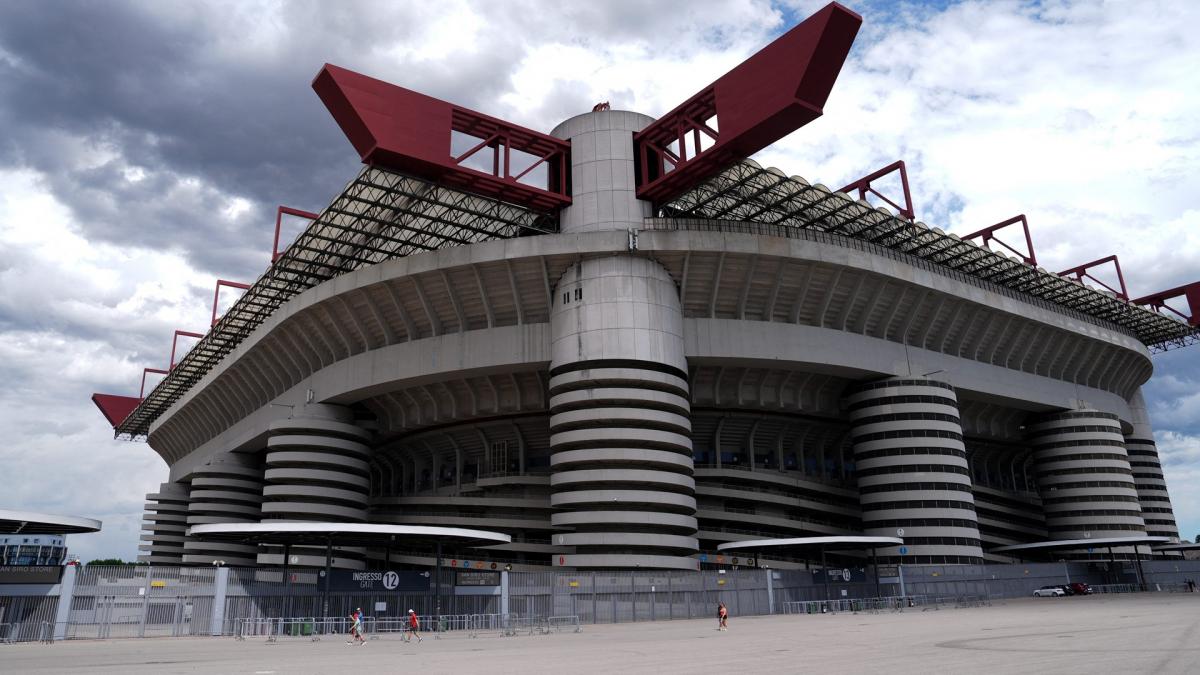
The Future of San Siro: A Battle for Heritage or Modernity?
In Milan, football is more than just a game; it is a tapestry woven into the city’s identity, rich in memory and sacred architecture. The Giuseppe Meazza Stadium, commonly known as San Siro, stands not merely as a venue but as a cathedral of Calcio, echoing the roars of passionate fans and the legendary exploits of greats like Rivera, Baresi, Ronaldo, and Maldini. However, this iconic edifice is now mired in complex issues surrounding modernization, heritage, and economic viability, reflecting a struggle that feels akin to an Italian tragedy.
Since 2019, both AC Milan and Inter Milan have voiced aspirations to construct a new stadium, aiming to replace the historic 80,000-seat San Siro with a multi-functional complex costing around €1.2 billion. This ambitious vision includes plans for a shopping center, hotels, and a variety of event spaces. Unfortunately, exorbitant costs and the financial predicament faced by the clubs—particularly Inter, which is grappling with debts around €900 million—have complicated matters. The hope for a renovation has dwindled, with CALCIO E FINANZA reporting that initial plans to rehabilitate the stadium have been discarded as economically impractical.
Six Years of Tensions
The rivalry between the two Milanese clubs is not merely about football; it encapsulates a battle for financial survival. AC Milan appears to have a stronger hand, being more financially stable and even owning land in San Donato that could host a new stadium. In contrast, Inter’s financial struggles are causing them to depend on “Project Financing” for their future.
As the political and economic tussle unfolds, the Municipality of Milan, under Mayor Giuseppe Sala, finds itself in a precarious situation. The city is torn between preserving a classed historic monument and maintaining its financial relationship with both clubs, from which it earns around €8 million annually in rents. Public sentiment has been mainly anti-demolition, with 59% of residents opposing the destruction of San Siro, including 64% of Rossoneri supporters.
Adding to this complexity, Mayor Sala has expressed his discontent following a ruling from the Ministry of Culture, which prohibited any modifications, perceiving it as detrimental to Milan’s cultural landscape. A legal inquiry has emerged to scrutinize whether the sale of the stadium and its surrounding land has harmed public finances, particularly regarding the undervaluation of the property.
Euro 2032 Candidacy: A Pressing Deadline
An additional layer of urgency has been introduced as San Siro’s eligibility for hosting Euro 2032 comes into question. The existing structure fails to meet the required standards for the tournament, prompting stakeholders to consider extensive renovations. A meeting involving Figc, UEFA, the clubs, and the Milan city council highlighted that substantial portions of San Siro would need to be demolished, with construction options not commencing until at least 2030.
With targeted reconstruction costs sitting at approximately €197 million, time is ticking. The Lombardy administrative court rejected an appeal against the impending Vincolo Patrimonial, sealing the deadline for decision-making as November 10, 2025—coinciding with the 70th anniversary of the stadium’s second ring.
The Milan municipality is contemplating an initial €197 million discount encompassing land and stadium value, factoring in both environmental remediation and demolition expenses. This agreement could see the final figure drop to around €160 million. However, any final sale must pass through the municipal council, which is currently suspended until September, thus adding another layer of complexity to an already intricate situation.
Despite these hurdles, Mayor Sala remains keen on advancing the project, though considerable political resistance persists. Various elected officials have voiced opposition, making it imperative for the municipal assembly to find a compromise that satisfies all stakeholders.
As the clock ticks down towards the deadlines imposed by both UEFA and the Italian government, the stakes have never been higher for Milanese football. The balance between heritage and modernity hangs precariously, and the future of one of football’s most iconic stadiums remains uncertain. The San Siro saga promises to be a long and convoluted affair, filled with legal disputes and political maneuvering, before a new operational stadium might finally see the light of day around 2031 to 2035.