
The Future of iOS: A Deep Dive into iOS 26 Beta
Since the night of WWDC 25 on June 9, I have been using the beta version of iOS 26 . This update marks Apple’s biggest redesign of its operating system in years, offering a genuine glimpse into how the company will implement local AI in its native applications.
One of the most talked-about features is the new anti-SPAM protection . This system aims to rival some existing options, such as Google’s, but does so in a more aggressive and, arguably, less intelligent manner. In fact, I found it necessary to disable the feature after just a week of usage.
How the Apple Filter Works
Within the Phone app on iOS 26 , there are new methods for filtering unknown numbers:
- Filter incoming calls : Incoming calls from unknown numbers are filtered. The caller must identify themselves, and only then can we decide whether to answer.
- Send all calls from unknown numbers to voicemail .
- Silence all incoming calls from unknown numbers automatically.
The second and third options are quite aggressive, although the second feature was available in previous iOS versions. The major innovation lies in how Apple employs AI for handling calls, with Siri responding instead of the user.
The First Day: The First Alert
Receiving numerous calls each week can be overwhelming, particularly from delivery companies checking if I am home. Being a smartphone analyst at Xataka means I’m called by delivery services almost daily, especially from numbers not saved in my contacts.
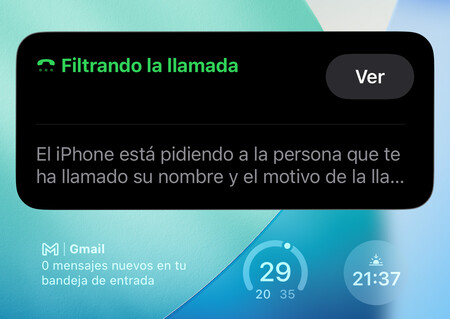
I quickly realized that a delivery company was attempting to reach me, but the driver was not responding to Siri’s questions. I understood this by observing how this feature operates.
Thank You, Please Don’t Hang Up
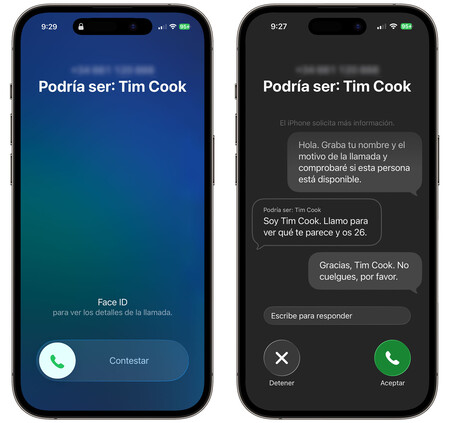
When an unknown number calls, Siri prompts the caller to identify themselves and provide a reason for the call. They don’t need to be overly explicit; simply saying, “I’m Ricardo, it’s important,” suffices. However, there are two key issues.
Firstly, the iPhone sends a discreet notification when the filter is active, accompanied by a minimal vibration likely to go unnoticed. Secondly, if the caller does not identify themselves, the phone waits a full 20 seconds before it starts ringing.
A Filter That Doesn’t Filter Well
If the call is urgent, it’s likely the caller will hang up. This is exactly what occurred for me, both with the delivery drivers and during a call from my health center. After Siri’s intervention, if the caller isn’t willing (or able) to respond immediately, waiting for 20 seconds before the phone rings is often too lengthy.
I could see how the delivery person hung up before I received the call, and upon asking him later, he remarked that he wasn’t sure if it was some type of fraud.
Normalizing Siri’s Reception
Getting used to the idea of Siri answering your calls will not be easy. It would require that nearly all Apple users enable this function, and that callers understand they need to engage with Siri when calling an iPhone.
This feature also undermines the most crucial aspect of emergency calls: immediacy . Situations like accidents or medical queries are compromised; while nobody enjoys receiving calls from unknown numbers, filtering them all, regardless of intent, is akin to using a cannon to swat flies.
Google Does It Much Better
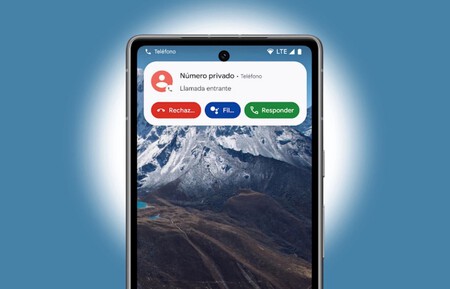
Google has been filtering suspicious calls, specifically SPAM, for years, informing users of the SPAM nature of the call. If this is the case, Google employs its cloud-based AI to analyze where the number originates.
In instances where you’re unsure who is calling, pressing “filter” prompts Google Assistant to perform similar tasks as Apple: asking for the caller’s identity and reason for their call. This creates an infallible filter for commercial and fraudulent calls, while still keeping you updated about incoming calls.
As we progress with technology, it becomes increasingly clear that the balance between user control and AI assistance must be refined. With iOS 26 , Apple offers a glimpse of what’s possible but also raises questions about the effectiveness of its features compared to competitors like Google. The need for a user-friendly yet intelligent system is paramount, as it ultimately shapes how we communicate in today’s world.