
SEAT’s Electrification Plans: A Shift Focused on Cupra
The automotive industry is in a constant state of evolution, and SEAT, one of the brands under the Volkswagen Group umbrella, is undergoing significant changes. Currently, the interim CEO, Markus Haupt, has decided to pause any immediate plans for electrification at SEAT. Instead, the group’s electrification strategy is now channeled solely into Cupra, the performance-oriented sibling of SEAT. This shift is particularly evident at the recent Munich Motor Show, where new models from Cupra were showcased, signifying the brand’s future direction.
An Electric SEAT That Doesn’t Arrive
Haupt made headlines when he declared, “Today it is impossible to make an electric car with SEAT if we want to make a profit,” during an interview. A pivotal point of concern is the potential introduction of an electric Volkswagen priced at 20,000 euros by 2027. This pricing raises a crucial question for SEAT: “If Volkswagen sells at that price, how much should SEAT sell?” Haupt’s remarks highlight the competitive landscape in which SEAT operates, underscoring the challenges ahead for the brand in terms of profitability while trying to introduce electric models.
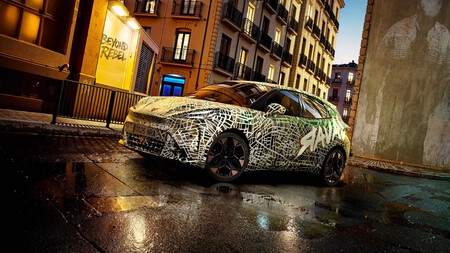
<span>The Raval Cupra makes an appearance at the IAA Mobility. Image: Cupra</span>A Two Brand Strategy
Haupt’s decision to keep SEAT out of the electrification conversation is driven by a clear commercial strategy. He articulated, “SEAT today is an ideal complement to Cupra, because they target different segments and customers.” While Cupra positions itself as a premium and sporty brand capable of absorbing the costs associated with electrification, SEAT will maintain its focus on combustion and hybrid technologies. This two-brand strategy also accompanies the upcoming launch of new versions of the Ibiza and the Arona, indicating that SEAT is committed to revamping its popular combustion vehicles while leaving the electric evolution to Cupra.
<img alt="The Renault Clio wants to be the flag bearer of the urban future of combustion: 160 hp hybrid motor and a ridiculous consumption" width="375" height="142" src="https://i.blogs.es/99dcdf/img_8552/375_142.jpeg"/>Cupra Takes the Electrical Prominence
The spotlight on Cupra strengthens even further with plans to introduce a new entry-level electric model priced starting at 25,000 euros. Expected to offer up to 450 kilometers of autonomy, this vehicle will be produced in Martorell, alongside the Volkswagen ID.Polo. Together, these two models plan for an impressive production capacity of 300,000 units annually. Moreover, Haupt revealed the Cupra Tindaya concept car at Munich, a vehicle expected to enter production in the early 2030s, which will serve as a beacon of the brand’s new design language.
Of Figures Goes the Thing
Financially, SEAT and Cupra reported an operational profit of merely 38 million euros in the first half of the year, prompting Haupt to emphasize the necessity of “reducing our cost structure.” The tariffs imposed on the Cupra Tavascan, which is manufactured in China, have adversely affected profitability. However, there are optimistic projections regarding a resolution of these tariff issues before the year concludes, following negotiations with Brussels.
The Future is Still Electric, But Not For Everyone
Despite the firm stance taken regarding SEAT, Haupt assures that there will come a time when electric vehicles will outnumber combustion models. This projected shift could lead to enhanced component pricing, making electric cars more accessible both to consumers and to manufacturers. Until that pivotal moment arrives, the strategic division between Cupra and SEAT apparently aims to cater to both electric and traditional car enthusiasts in the marketplace.
The challenges facing SEAT highlight the complexities of navigating a rapidly changing automotive landscape. As Cupra garners the limelight in the realm of electrification, SEAT continues to focus on its core competencies while adapting to the evolving needs of customers. Only time will tell how successful these strategies will prove, but the road ahead is fraught with both challenges and opportunities.