
Upcoming Nuclear Talks between the US and Iran
Recent diplomatic efforts have placed the United States and Iran at the center of attention as they gear up for the fifth round of nuclear talks on May 23 in Rome, Italy . These discussions could shape the geopolitical landscape of the Middle East for years to come. However, alarming reports suggest that tensions involving Israel are escalating, with claims that Israel is preparing for military action against Iranian nuclear facilities should the negotiations fail.
Concerns Around Negotiation Failures
Two Israeli sources, speaking to Axios , have indicated a growing belief within the ranks of Israeli intelligence that the fragile negotiations are at risk of collapsing . Previously optimistic about reaching a nuclear agreement, Israeli officials now harbor concerns that the discussions may not yield the desired outcomes. This shift in sentiment is causing heightened levels of anxiety regarding Iran’s nuclear capabilities and intentions.
Israeli Military Preparedness
According to these sources, there is an urgent sense within the Israeli Defense Forces that the operational window for a successful military strike against Iranian nuclear sites is closing rapidly. This urgency emphasizes the belief that if the talks are deemed unsuccessful, Israel must act swiftly and decisively. While the sources withheld information about why a delayed attack would be less effective, the implications are clear: imminent action may become necessary as diplomatic channels falter.
The report also corroborates earlier mentions from CNN regarding extensive training exercises conducted by the Israeli military, aimed at preparing for potential attacks on Iranian assets. The US military is reportedly aware of these preparations, suggesting that the situation is under close surveillance and is evolving rapidly.
US Concerns Over Israeli Actions
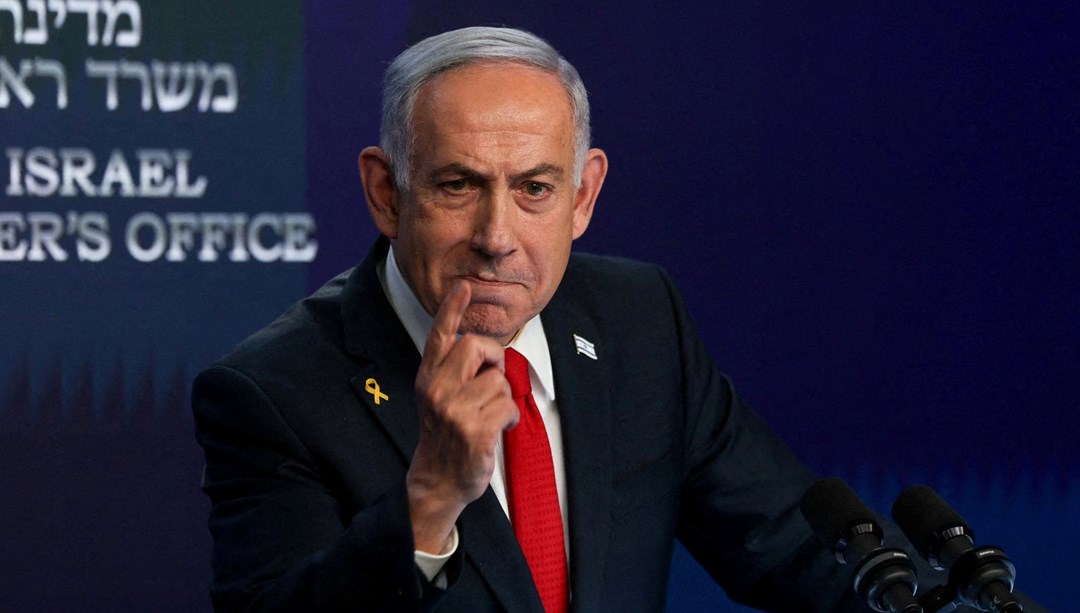
The tension is not merely a byproduct of Israeli intelligence assessments; anxiety has also rippled through Washington. A senior US official conveyed concerns that Prime Minister Benjamin Netanyahu —often referred to as “Bibi”—might act without prior approval from the Trump administration. Such uncoordinated actions could exacerbate an already volatile regional situation and undermine joint strategies aimed at containing Iran’s nuclear ambitions.
The growing fear is that Netanyahu is awaiting a pivotal moment when Trump’s administration falters in its negotiations before making a move. This political maneuvering underscores the complexities of aligning strategies between two ally nations when the stakes are incredibly high.
Internal Discussions in Israel
In light of the precarious situation, Netanyahu recently convened a meeting with key cabinet members and intelligence officials to discuss the developments surrounding the nuclear talks. This gathering signals the gravity of the situation, revealing how intertwined Israel’s security strategy is with the outcomes of the ongoing negotiations.
With the backdrop of these discussions, Israeli officials remain vigilant and prepared for any eventuality that could arise from the talks’ results. As these diplomatic interactions unfold, the interdependence between Israeli military actions and US foreign policy will become ever more evident.
Implications for Regional Stability
The potential for Israeli military action against Iranian nuclear sites raises serious questions regarding regional stability . If Israel were to launch an attack, it could trigger a series of retaliatory responses from Iran and possibly other nations within the Middle East. Such military engagements could spiral into broader conflicts, leading to unpredictable consequences for both US and Israeli interests in the region.
As tensions rise, it becomes increasingly critical for all involved parties to seek diplomatic resolutions and avoid military confrontations. The stakes have never been higher, and the aftermath of any conflict could reverberate throughout the world.
The Path Forward
The forthcoming nuclear talks between the US and Iran present an opportunity to repair fractured relations and stave off military options. However, the clock is ticking, and both Israel and the US must navigate the delicate balance of diplomacy and preparedness. The forthcoming weeks will undoubtedly be critical as these discussions unfold and as both nations assess their strategies surrounding Iran’s nuclear capabilities.
With the world keenly watching, the outcome of these negotiations may redefine international relations in the Middle East and influence global perceptions of nuclear diplomacy.