
The Controversial Remarks of Elon Musk on U.S. Legislation
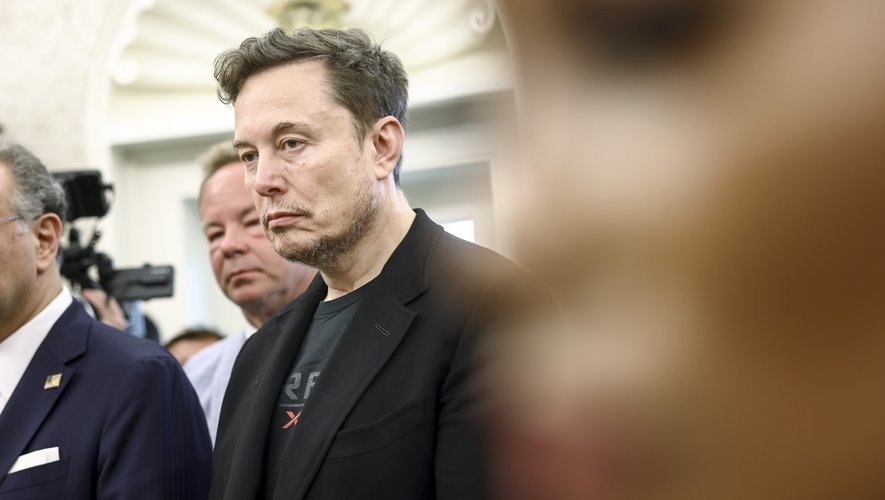
In recent developments, Elon Musk, the billionaire entrepreneur known for his roles in Tesla, SpaceX, and X (formerly Twitter), has expressed strong disapproval of a new piece of legislation supported by the American president. This law, if passed, is projected to exacerbate the U.S. deficit, potentially undermining significant efforts conducted by his DOGE initiative aimed at reducing governmental expenses.
The Background of Musk’s Involvement
Elon Musk’s return to the forefront of his business ventures came after a brief tenure leading the DOGE. This department was established with a mission to implement drastic cuts to federal expenditures. Musk’s dedication to his companies is evident, as he proclaimed on May 24, "Return to work 24/7." However, his excitement was short-lived as he soon voiced his concerns regarding the massive spending bill pushed by the Republican majority in the House of Representatives.
The Disagreement with Presidential Policies
In an exclusive interview with CBS Sunday Morning, Musk openly expressed his disappointment over the bill’s financial implications. He stated, “I found it disappointing to see such a large spending bill, frankly, that increases the budget deficit instead of reducing it.” This comment clearly positions Musk at odds with the current administration, particularly as the president has rallied behind this bill, termed the “One Big Beautiful Bill Act”, emphasizing its potential benefits.
Furthermore, Musk highlighted that while a bill can be either large or beautiful, it may not achieve both qualities simultaneously. This sentiment reflects a broader skepticism regarding governmental spending practices and their long-term effects on the economy.
The Impending Fiscal Challenges
As discussions intensify around this bill, its provisions are expected to increase the national deficit by a staggering $3.8 trillion by 2034. Such a deficit poses a robust challenge to the operations of various economic initiatives, including the DOGE’s efforts. This is a considerable concern, especially as many experts suggest that DOGE can continue its mission of fiscal responsibility—possibly even without Musk at its helm.
The juxtaposition of Musk’s comments against presidential support has sparked widespread debate among the public and political analysts. Some view his statements as a necessary critique of governmental inefficiency, while others argue that it reveals a disconnect between business objectives and political realities. With social media platforms buzzing about Musk’s controversial stance, it’s evident that this issue will heavily influence public discourse.
Elon Musk’s public persona has always been surrounded by a cocktail of admiration and criticism—yet his sentiments regarding this legislation add another layer to his complex relationship with both the government and his stakeholder communities. As many of his followers eagerly await further clarifications from Musk, it remains to be seen how the proposed legislation will unfold in the Senate.
Conclusion
In summation, Elon Musk’s recent pronouncements regarding the “One Big Beautiful Bill Act” place him at a crossroads between entrepreneurial aspirations and governmental policies. His advocacy for reducing the deficit resonates with a broader public sentiment that seeks responsible spending and fiscal prudence. The ramifications of this legislative venture extend beyond mere politics, posing vital questions about the future of initiatives like DOGE, which Musk has championed so fervently. As the situation unfolds, it is sure to remain a focal point of discussion among both economic and political observers.
Elon Musk n’approuve pas un projet de loi soutenu par le président américain, et qui creuserait le déficit des États-Unis, sapant ainsi les efforts accomplis par le DOGE.