
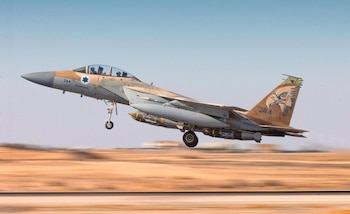
In a significant development, the Iraqi Armed Forces have urged the United States to prevent Israel from using Iraqi airspace to conduct attacks on Iran . This appeal underscores the heightened tensions in the region and Iraq’s geopolitical positioning in international affairs.
Official spokesperson Saba al-Numan of the Iraqi Armed Forces articulated this request, stating, “Iraq urges the United States to fulfill its obligations under the existing agreements between both countries and international law to prevent Israeli aircraft from utilizing Iraqi airspace.” This assertion has been reported widely by the Iraqi news agency, Shafaq .
The Context of the Request
The context surrounding this request is critical. The relationship between the United States and Iraq has been shaped by decades of conflict, diplomacy, and change. The U.S. military presence in Iraq is seen by many as a stabilizing force, yet this presence has also drawn frustration from segments of the Iraqi populace who wish for greater sovereignty and control over their airspace.
Moreover, the ongoing hostilities between Israel and Iran significantly affect the Middle Eastern geopolitical landscape. Observers note that Israel’s military operations against Iranian targets aim to curb what it perceives as a looming threat. However, these operations can inadvertently escalate regional tensions and provoke responses from neighboring nations like Iraq.
Iran’s Stance on Regional Threats
Amidst these dynamics, Iran has exercised a degree of restraint . Official communication indicates that Iran has maintained a high level of containment in the face of Israeli aggressions, likely in the hope that diplomatic solutions will prevail. Iran’s foreign policy seems to be oriented towards fostering a stable regional environment, although it continues to prepare for potential threats from both Israel and the U.S.
Saba al-Numan emphasized that Iran’s cautious approach demonstrates its commitment to diplomacy, stating that “Baghdad has been promoting diplomatic measures under the orders of Prime Minister Mohamed Shia al-Sudani .” This approach includes opening consultations with various key international stakeholders to underscore the potential ramifications of Israeli incursions.
Diplomatic Measures and International Relations
The diplomatic measures referenced by al-Numan involve communication with international powers and the reaffirmation of Iraq’s sovereignty. These discussions focus on the implications of foreign military operations within Iraqi borders and how they pose risks to regional stability .
Iraq’s leadership is acutely aware that ongoing military activities that cross into its airspace can provoke not only diplomatic fallout but also potential military responses. In this light, engaging with international partners becomes crucial to establishing Iraq as a hub for peace rather than a battleground for proxy conflicts.
The Role of the U.S. in Middle Eastern Affairs
The United States , given its historical role in the Middle East, is seen as pivotal in negotiating peace accords and ensuring stability. However, its policies and military presence can also lead to complex challenges. Iraq’s call for the U.S. to intervene against Israeli air operations reflects deeper issues of trust and the balancing of alliances.
As external actors like the U.S. attempt to stabilize the region, they often face criticism for policies perceived as favoring one nation over another. Iraq’s demand for assured sovereignty illustrates a growing desire for independent strategic capabilities amidst external pressures.
Conclusion
The diplomatic landscape in the Middle East continues to evolve, underscoring the necessity for cooperation among nations. The recent appeal from Iraq to the U.S. to intervene against Israeli air operations reflects a complex interplay of national sovereignty, international law, and the escalating tensions between Iran and Israel. As Iraq seeks to maintain its integrity and protect its airspace, the need for diplomatic engagement becomes critical in navigating the turbulent geopolitical waters of the region.