
Understanding the Importance of Iodine for Health
Iodine plays a crucial role in maintaining overall health, particularly in the functioning of the thyroid gland. This trace element is necessary for the production of thyroid hormones, which regulate various bodily functions including metabolism, heart rate, and growth. In many countries, iodine deficiency has re-emerged as a public health issue, and it is important to understand both the causes and the consequences.
Current State of Iodine Deficiency in Germany
Recent studies indicate that iodine deficiency is once again widespread in Germany. According to the Robert Koch Institute, approximately one-third of the population may be affected. This resurgence is alarming considering that iodine deficiency was thought to be a thing of the past. Over the past decade, iodine supply has decreased significantly, prompting experts to warn about the potential health consequences. The World Health Organization (WHO) has reclassified Germany as an iodine-deficient region, which raises concerns about the long-term impact on public health.
Health Effects of Iodine Deficiency
Iodine is vital for the production of thyroid hormones, which are essential for proper cardiovascular health, blood pressure regulation, and cell division. These hormones also ensure that the brain and nervous system function correctly, and they influence body weight. A deficiency in iodine can lead to several health problems, including the development of goiter, or thyroid enlargement, which may be a precursor to more serious conditions such as thyroid cancer.
Additionally, iodine deficiency can lead to cognitive impairments such as depression, and challenges in learning and concentration. For pregnant and breastfeeding women, insufficient iodine levels can cause lifelong developmental disorders in their children.
Reasons Behind the Resurgence of Iodine Deficiency
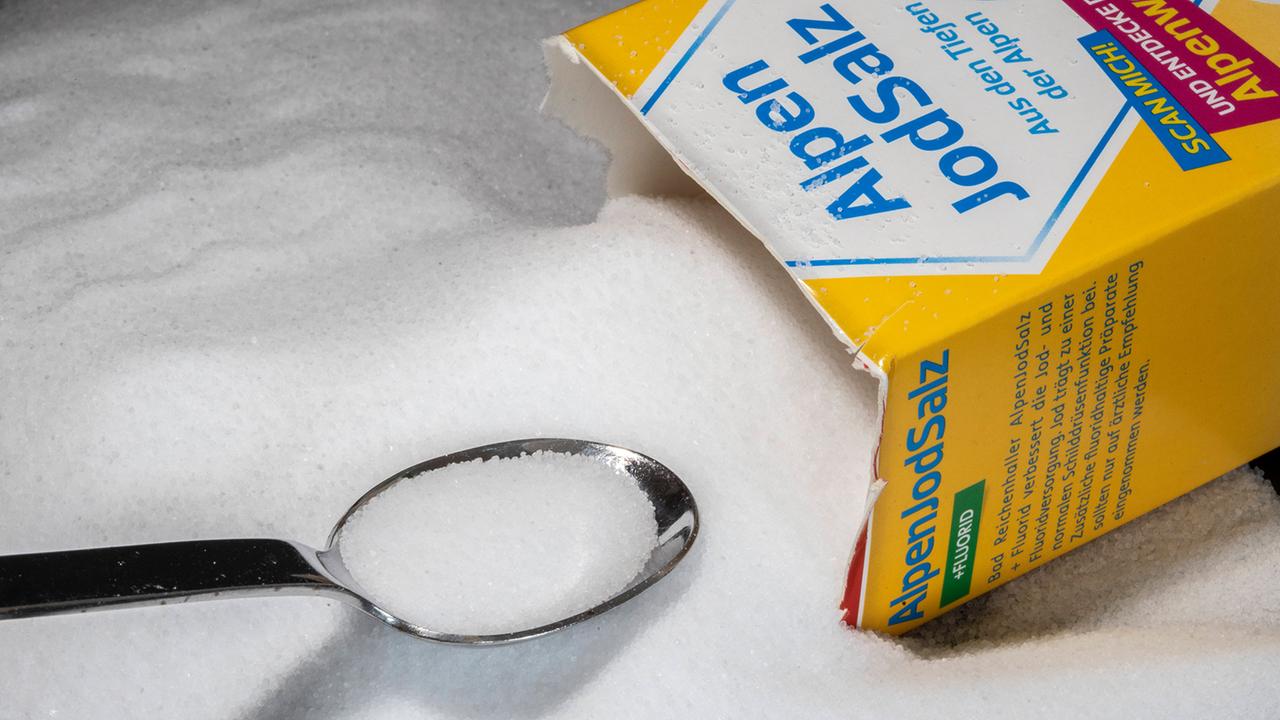
Several factors contribute to the re-emergence of iodine deficiency. Historically, iodine was introduced into the German diet through iodized salt in the 1980s. However, recent trends indicate that fewer people are using iodized salt, partly due to the food industry’s decreased use of iodized products. Experts suggest that manufacturers are opting to minimize costs, leading to a decline in iodized salt in the market.
Moreover, varying regulations concerning iodine supplementation in different countries can complicate matters further. Manufacturers prefer to avoid the added expenses of producing different varieties of iodized products. Public awareness about the need for iodine and its health implications has also diminished. Many consumers choose to avoid iodized salt in favor of "natural" food options, thus unknowingly exacerbating the issue.
How to Protect Against Iodine Deficiency
While it is essential to limit salt intake to prevent high blood pressure, opting for iodized salt is crucial when using salt. Regular consumption of fish, seafood, and seaweed can also help maintain adequate iodine levels, as these foods are rich in iodine. However, fruits and vegetables typically contain low iodine levels due to the soil in which they are grown.
Vegetarians and vegans should be particularly cautious and ensure they are consuming enough iodine. It’s advisable to minimize the intake of fast food and processed foods, as they often lack iodine despite being high in salt. Cooking at home with unprocessed ingredients and using iodized salt is a practical way to manage iodine levels. Experts recommend that the average person supplements with 100 micrograms of iodine daily in tablet form to prevent possible health issues easily.
Jodized Salt and Hashimoto’s Disease
Even individuals diagnosed with Hashimoto’s thyroiditis, a chronic inflammatory thyroid disease, can safely use iodized salt. Contrary to common misconceptions, endocrinologists advise that these individuals can benefit from iodized salt as long as they avoid exceeding the recommended daily intake of 200 micrograms. However, those with other thyroid conditions, such as Graves’ disease, should limit their iodine intake.
It’s important to note that cases of iodine excess in typical dietary patterns are rare. High levels of iodine are found primarily in certain types of seaweed and iodinated contrast agents, which can potentially lead to thyroid dysfunction.
In conclusion, awareness and proactive measures regarding iodine intake are essential for maintaining health. By choosing iodized salt and incorporating iodine-rich foods into the diet, individuals can protect themselves against the severe consequences of iodine deficiency.
Aktuelle Studien zeigen: Jodmangel ist in Deutschland wieder weit verbreitet. Schätzungsweise ein Drittel der Bevölkerung könnte von Jodmangel betroffen sein. Fachmediziner warnen vor schweren gesundheitlichen Folgen.