
The Rise of ATM Explosions: A Cross-Border Crime Wave
In recent years, there has been a surge in ATM explosions across Europe, particularly in Germany. These incidents have drawn the attention of law enforcement agencies, leading to unprecedented international cooperation. A recent operation involving the arrest of 18 suspects showcases the determination of authorities to combat this increasingly sophisticated form of crime.
Understanding the Problem
ATM explosions have become alarmingly common, with criminals targeting cash machines during the night hours. These heists are often coordinated to minimize risk and maximize gain, making it difficult for local authorities to respond effectively. The recent arrests in the Netherlands reveal that these criminals are not isolated; they form a larger network operating across borders.
According to reports, the suspects are believed to be primarily Dutch nationals, with many of the incidents occurring in close proximity to Germany. This criminal activity has not only caused financial loss but has also raised concerns about safety in local communities.
Recent Developments
In a coordinated effort, law enforcement from both Germany and the Netherlands carried out a series of raids that culminated in the arrests of 18 individuals linked to this criminal activity. The raids resulted in the seizure of significant quantities of cash and digital currencies. Authorities reported finding around €360,000 in cash along with crypto-assets valued at over €600,000.
Moreover, investigators unearthed a myriad of items that are commonly used in ATM explosions. This includes explosives, fake license plates, money counting machines, and even vehicles specifically modified for these operations. Among the findings was a car containing twelve barrels of gasoline, which underscores the degree of planning and coordination involved in these crimes.
A Special Task Force
In early 2024, Europol established a special task force dedicated to tackling ATM explosions. This initiative was a direct response to the increasing number of incidents, particularly those that occurred in Germany. The task force involves a collaboration between various law enforcement agencies, which have pooled resources and intelligence to combat this transnational crime.
The establishment of this task force underscores the importance of international cooperation in addressing modern-day criminal activities. With the modus operandi of criminals evolving, it has become indispensable for law enforcement to share information and strategies to preemptively thwart these heists.
Impact of Bank Security Measures
Following a series of ATM explosions, banks in the Netherlands implemented various security measures aimed at protecting cash machines from such attacks. It appears that these measures may have prompted the criminal gang to shift its focus to Germany, where they perceived fewer obstacles and risks.
However, the criminal organization is also suspected of conducting similar operations in other European countries, including Switzerland, France, and Austria. This shift in operational territory makes it clear that these criminals are adaptive and resourceful, presenting new challenges for law enforcement.
The Nature of the Crimes
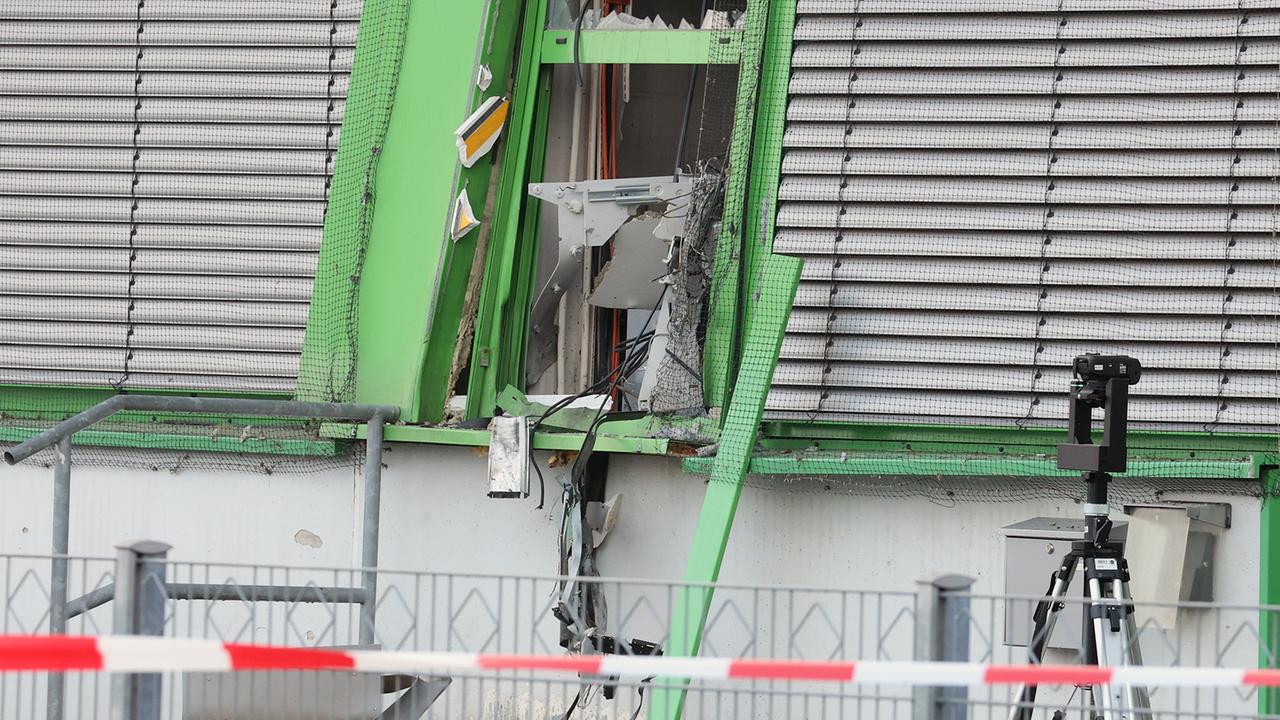
The police have described the group as both ruthless and highly professional in their execution of ATM explosions. These detonation incidents often do not merely destroy ATMs but also cause significant damage to surrounding structures. This raises considerable safety issues, as bystanders and residents in these areas are put at risk during such attacks.
Authorities estimate that the gang has inflicted over €1.5 million in damages across multiple German states while successfully stealing an estimated €1.2 million. Such figures illustrate not only the financial impact but also the potential for physical harm to the communities affected by their actions.
The Way Forward
As international collaboration intensifies, the fight against ATM explosions is gaining momentum. Law enforcement agencies from multiple countries are increasingly focused on creating strategies that can effectively counteract organized crime. The apprehension of this gang could serve as a blueprint for tackling similar issues in the future.
It is imperative for both local communities and international bodies to remain vigilant and proactive. Surveillance technologies, public reporting mechanisms, and community engagement will play pivotal roles in minimizing the risks associated with this form of organized crime.
In conclusion, the cross-border nature of ATM explosions requires a united front. As law enforcement continues to adapt to the ever-evolving tactics of criminals, it becomes essential for communities to support these efforts. Together, it might be possible to mitigate and ultimately eradicate the threat posed by such gangs.
Nachts sprengte die Bande Geldautomaten, oft in Deutschland, dann raste sie über die Grenze zurück in die Niederlande. Ermittlern aus beiden Ländern ist es nun gelungen, 18 Verdächtige festzunehmen.
Im Zuge von internationalen Ermittlungen ist in den Niederlanden eine Bande von Geldautomatensprengern ausgehoben worden. Insgesamt 18 Verdächtige, vor allem Niederländer, wurden festgenommen, wie die Polizei in Den Haag mitteilte. Die Bande soll für eine Serie von Sprengungen vor allem in Deutschland verantwortlich sein.
Bei Hausdurchsuchungen stellten die Beamten etwa 360.000 Euro Bargeld sicher, außerdem Krypto-Währung im Wert von mehr als 600.000 Euro. Zudem beschlagnahmten die Ermittler den Angaben zufolge auch Utensilien, die für Angriffe auf Geldautomaten verwendet würden wie Sprengstoff, gefälschte Nummernschilder, Geldzählmaschinen und Autos. In einem Auto entdeckte die Polizei nach eigenen Angaben zwölf Fässer Benzin.
Sondereinheit besteht seit anderthalb Jahren
Anfang 2024 hatte Europol gemeinsam mit Ermittlern aus Deutschland und den Niederlanden eine Sondereinheit eingerichtet. Anlass waren Dutzende Sprengungen von Geldautomaten in Deutschland. Verdächtigt wurde vor allem die nun ausgehobene Bande im Großraum Utrecht.
Nachdem von niederländischen Banken Maßnahmen zum Schutz der Geldautomaten ergriffen worden waren, hatte die Bande offenbar ihr Arbeitsgebiet verlegt, vor allem nach Deutschland. Sie soll aber auch für Sprengungen in der Schweiz, Frankreich und Österreich verantwortlich sein.
Skrupellos und professionell vorgegangen
Die Bande sei skrupellos und sehr professionell vorgegangen, teilte die Polizei mit. Die Detonationen zerstörten der Polizei zufolge meist nicht nur die Automaten, sondern auch Gebäude. Auch Anwohner würden durch solche Attacken gefährdet. Mit schnellen Autos seien die Täter dann zurück in die Niederlande geflohen.
In Deutschland habe die Bande in mehreren Bundesländern Schäden von mindestens 1,5 Millionen Euro verursacht und rund 1,2 Millionen Euro erbeutet.