
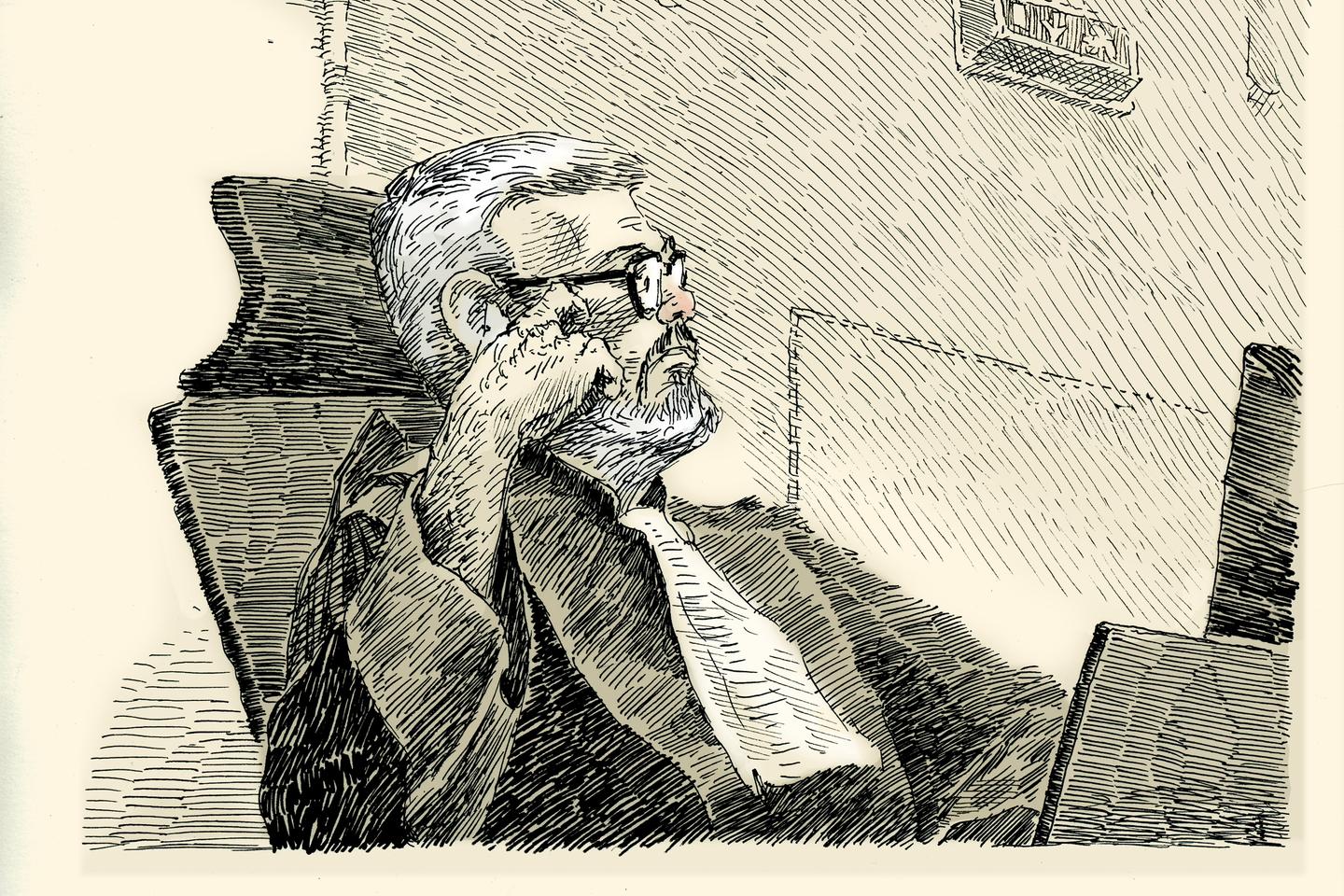
Prominent Legal Case in France: The Disgrace of Joël Le Scouarnec
In recent months, a chilling case has captivated the public attention in France. Joël Le Scouarnec has been deemed the “inventor of mass sexual crime” by certain civil parties. His heinous acts span decades, bringing to light the dark underbelly of social trust. On May 23, 2025, Advocate General Stéphane Kellenberger detailed the staggering scale of his crimes: 111 rapes and 188 sexual assaults, predominantly involving minors.
Charges and the Legal Framework
Joël Le Scouarnec, now 74, committed his crimes between 1989 and 2014 , with a shocking 299 victims , including 256 minors under 15 years old . Kellenberger highlighted that if these crimes had been judged in the United States, the penalties would have reached a staggering 4,111 years in prison. However, due to French law , the sentencing space is much smaller, allowing for a maximum of 20 years imprisonment for these offenses.
During the indictment, Kellenberger stated, “ But we are in France, and I am not the legislator , prompting reflections on how justice can vary so greatly between nations. The stark comparison has raised numerous questions about the adequacy of current laws concerning sexual predators in France.
Public Outrage and Safety Concerns
The Advocate General’s role extends beyond the courtroom; it involves evaluating the broader societal impact . Kellenberger expressed a growing public outrage. His declaration that “ the devil also dresses in white coat ” resonated loudly, reflecting a sentiment that those in trusted professions can also harbor dark intentions. This assertion emphasizes the vulnerability of victims who placed their trust in medical professionals.
Kellenberger accentuated the high risk of recurrence as assessed by experts who testified during the hearings. The combination of Le Scouarnec’s actions and the resultant legal discourse has galvanized advocacy groups to call for reforms in the legal system, specifically for measures to reduce risks posed by future offenders.
Proposed Sentencing Measures
The Advocate General did not stop at proposing a mere 20-year sentence. Recognizing the severity and complexity of the situation, Kellenberger urged for a suite of penalties dictated by the French Criminal Code . This includes a security period extending to two-thirds of the sentence and 20 years of severe judicial control . The terms propose a complete prohibition on residing in specific areas where the majority of the offenses occurred, particularly the regions of Great West and Île-de-France .
Further complicating matters is the proposed implementation of a security retention measure. This controversial tool could allow custody in a specialized facility for individuals who have served their sentences but are deemed dangerous. This aspect of the case draws significant attention, as many legal experts argue over its implications for civil liberties.
Anticipation of the Verdict
As the judicial proceedings draw closer to completion, the anticipation surrounding the verdict set for May 28 is palpable. The courtroom will undoubtedly be filled with those awaiting clarity on a case that has already reshaped discussions around sexual crimes in France. With collective societal trauma and the quest for justice on the line, many hope that the court will reflect the serious nature of these crimes in its ruling.
This case serves as a grim reminder of the work that remains to be done to protect the vulnerable and to ensure that justice is served not only for the victims but also for society as a whole. The actions taken in the courtroom will echo throughout French culture and law for years to come, influencing the future of how similar cases might be handled.