
The Rise of Authoritarianism in Hungary: A Deep Dive into Recent Protests
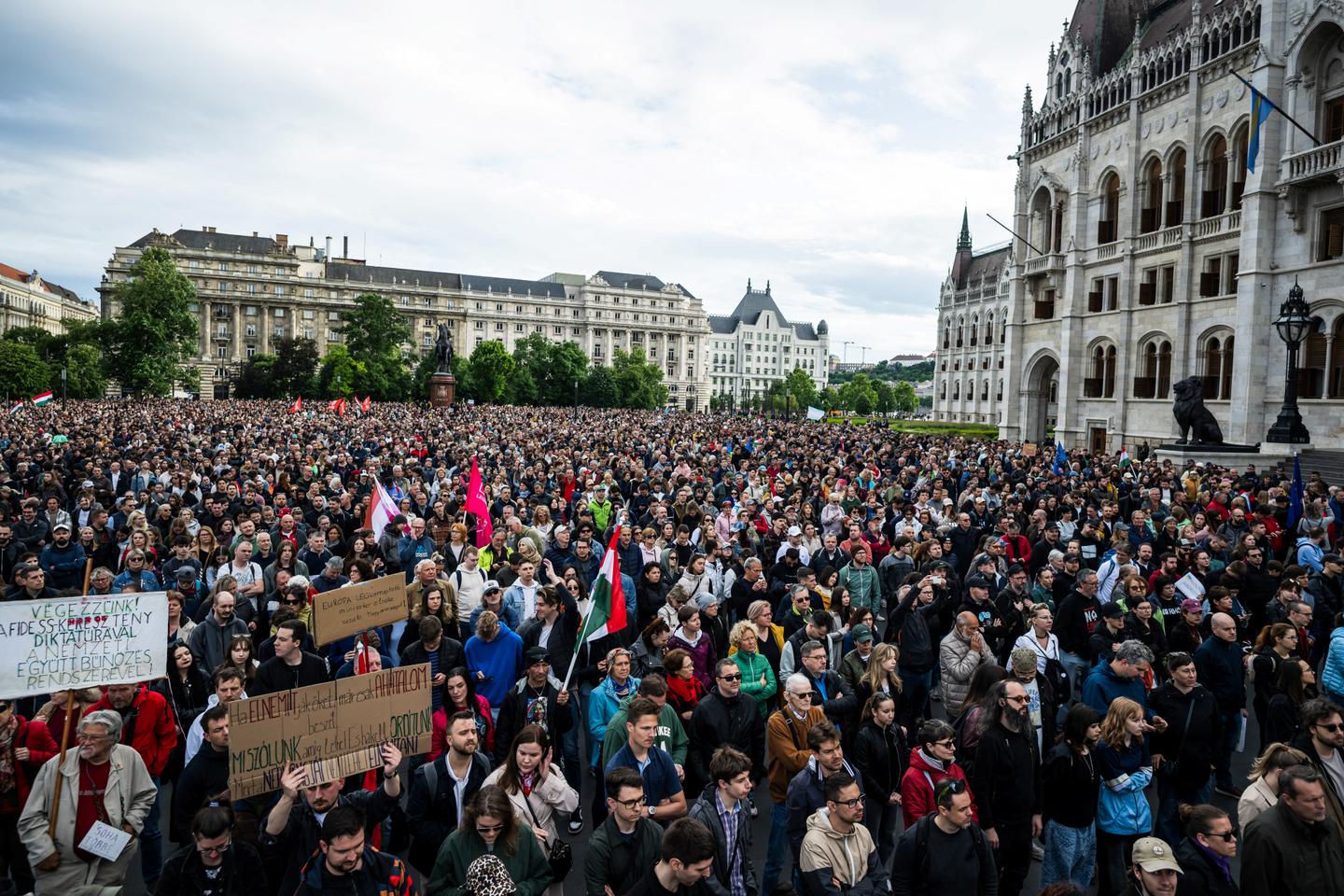
On May 18, 2025, the streets of Budapest echoed with chants of dissent as 10,000 demonstrators gathered in Place Kossuth, right in front of the Hungarian Parliament. This mobilization was primarily against the recent authoritarian measures proposed by Prime Minister Viktor Orban. As the protesters gathered, the atmosphere was thick with tension and resolve, with slogans rising like a wave against the backdrop of a burgeoning political crisis.
The Proposal: A Disturbing Turn
The crux of the protests revolved around a controversial bill introduced on May 13 by a deputy from Orban’s ruling party. This bill aimed to establish a "Register of organizations funded by foreigners," reminiscent of policies enacted in Russia under Vladimir Putin. Critics argue that this legislation poses a significant threat to freedom of speech and independence of the press in Hungary.
Voices of the Youth
Many of those protesting were young Hungarians who have only experienced Orban’s administration. For them, the proposed laws symbolize a drastic slide into dictatorship. Among them was Roland, a 22-year-old aviation pilot, who articulated the concerns of many. He expressed, “When I saw the text, I understood that it would even become complicated to make simple donations to the independent press.” His friend, Peter, a psychology student, echoed these fears, lamenting, “They don’t even try to hide that they openly copy Russia.”
Their decision to remain nameless speaks volumes; it reflects a pervasive fear that dissent could lead to repercussions in a country increasingly viewed as drifting towards authoritarianism.
Nationalism and its Consequences
Orban’s administration has long embraced a nationalistic agenda, often framing issues through the lens of Hungarian sovereignty. This rhetoric has appealed to many but is increasingly being criticized for stifling dissent and undermining democratic norms. Detractors of the government argue that this latest bill is merely a tool to solidify power by limiting the influence of NGOs, journalists, and other organizations deemed undesirable by the state.
International Reactions
The implications of this proposed legislation are not confined to Hungarian borders. International organizations and European leaders have expressed concern over the deteriorating state of democracy in Hungary. Critics argue that if such a bill is enacted, it will set a dangerous precedent, not just in Hungary but across the European Union. The EU has previously struggled with Hungary’s authoritarian drift but faces challenges in effectively addressing these issues.
A Broader Context
The gathering on May 18 isn’t an isolated event but part of a larger tapestry of protests and dissent occurring across Europe. Populist and nationalist sentiments are rising, and Hungary serves as a microcosm of these trends. The youth leading the protests are driven by a potent cocktail of frustration, fear, and a desire for change. Many are calling for greater transparency, accountability, and restoration of freedoms that they feel have been eroded under Orban’s leadership.
The Role of Social Media
One striking aspect of the protest was the role of social media in organizing and galvanizing support. Platforms like Twitter, Instagram, and TikTok have helped young Hungarians share their views and mobilize quickly, demonstrating the power of digital activism in the 21st century. This trend not only amplifies their voice but also connects them with a broader network of like-minded individuals across Europe.
Hope Amidst Despair
Despite the weight of the circumstances, many protesters hold onto a glimmer of hope. They believe that their collective voices can influence change. The resolve demonstrated in Place Kossuth signifies a willingness to confront the challenges posed by authoritarian policies. Each chant and placard raised was a testament to their commitment to reclaiming their future.
Conclusion
The May 18 protests are indicative of a critical juncture for Hungary and its path forward. As the country grapples with increasing authoritarianism, the voices of young Hungarians will play a vital role in determining the state’s democratic trajectory. Their courage to stand up against oppression reflects the broader struggle for freedom and rights in a world increasingly fraught with political uncertainties. Hungary is at a crossroads, and the actions taken by the government and its citizens now will have lasting implications for years to come.