
Fire Breaks Out at Ecuador’s Largest Oil Refinery
Overview of the Incident
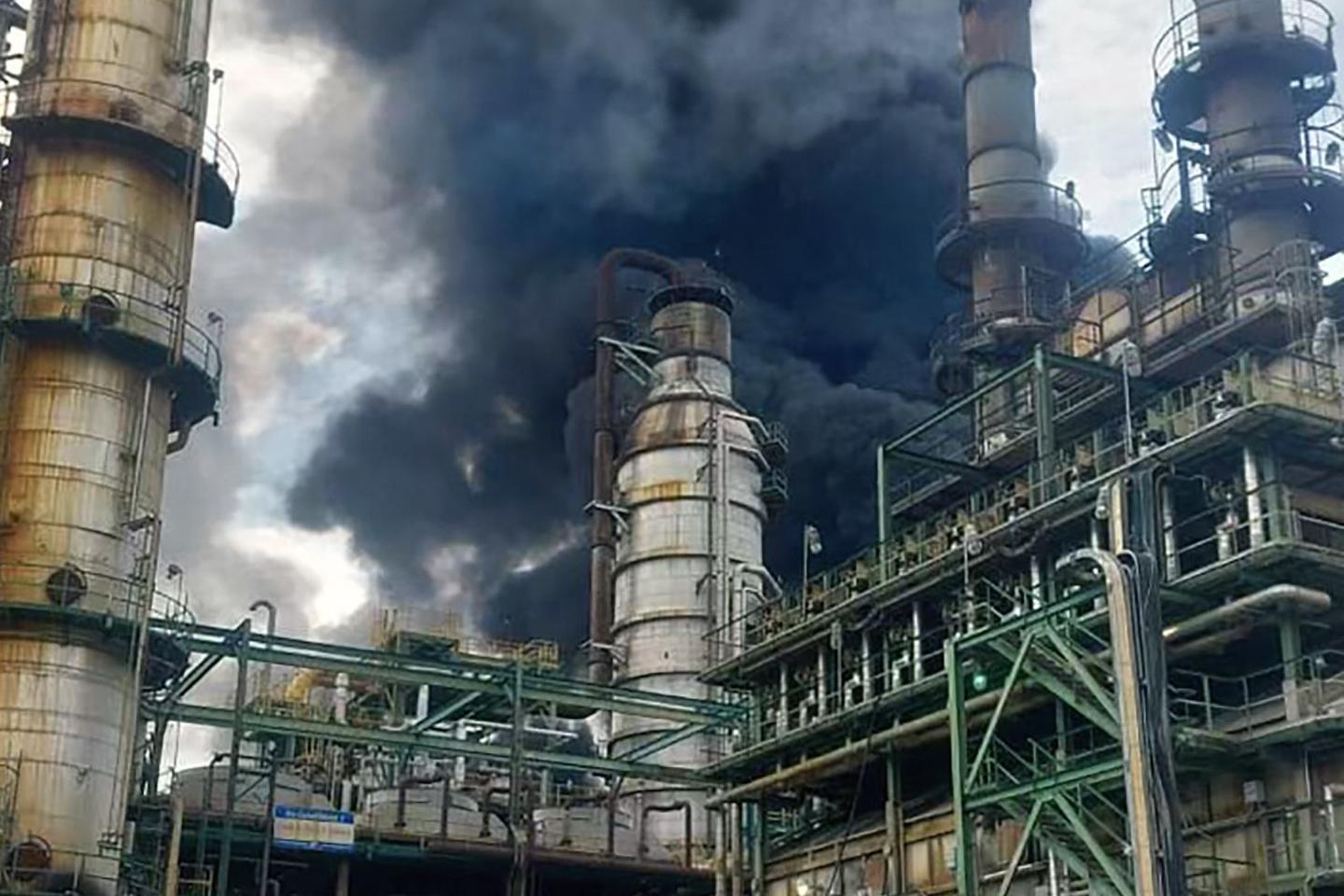
On May 26, 2025, a massive fire erupted at the main oil refinery in Ecuador, located in Esmeraldas, a coastal province in the northwest part of the country. This incident forced Petroamazonas, the state-owned company, to suspend operations at the facility, raising concerns about both environmental and economic impacts.
Conditions and Responses
Early in the morning, observers reported seeing a large column of smoke and flames rising from the refinery site. The Minister of Energy, Inés Manzano, took to social media platform X to announce that a fuel reservoir was ablaze but assured the public that "the situation is under control." Fortunately, initial reports indicated there were no injuries linked to the fire, which is a relief considering the significance of the refinery in Ecuador’s energy infrastructure.
Importance of the Refinery
The Esmeraldas refinery has a processing capacity of 110,000 barrels of crude oil per day, making it the largest of Ecuador’s three oil refineries. The refinery has a crucial role in the Ecuadorian economy, as the country heavily relies on its oil exports, averaging 475,000 barrels per day. In 2024, these exports generated an impressive $8.6 billion, underscoring the importance of maintaining operational continuity in this sector.
Safety Measures Implemented
Following the fire, military personnel and refinery workers blocked access to the facility to establish a secure perimeter. This measure was put in place to facilitate the movements of emergency vehicles responding to the incident, thus ensuring the safety of both personnel and the surrounding community.
As a precautionary measure, the outline of the evacuation procedure for refinery employees was discussed. The Emergency Risk Management Secretary confirmed via X that employees were evacuated to minimize risk. Once the fire was contained, Petroamazonas stated that necessary inspections would follow to assess the integrity of the infrastructure and investigate the underlying causes of the fire.
Environmental and Economic Concerns
Ecuador’s dependency on oil exports raises pressing questions regarding the environmental implications of the fire. A spill or contamination could lead to far-reaching consequences for the local ecosystem, especially given the proximity of the refinery to vital waterways. Environmental advocates have long been calling for better safety measures and more substantial preventive strategies, and incidents like this only add urgency to their requests.
Future Investigations and Implications
Once the situation stabilizes, a thorough investigation will take place to ascertain the precise cause of the fire. Such inquiries are crucial not only for accountability but also for ensuring that similar incidents are mitigated in the future. Petroamazonas mentioned this investigative necessity in their communications, emphasizing the need to uphold infrastructure safety and probe the root of the ongoing risks.
Additionally, the economic ramifications of this fire could be significant if operations remain suspended for an extended period. This could lead to supply chain disruptions and a notable impact on Ecuador’s GDP, particularly since oil remains one of its main exports.
Ecuador is one of South America’s leading oil producers, which amplifies the implications that a halted refinery could have. The sudden loss of production capacity may affect both local and international markets, leading to possible price fluctuations for crude oil and refined products.
Comparative Historical Context
Fires and accidents in oil refineries are not new; similar incidents have been reported globally. They often accentuate the fragile balance between industrial progress and safety, leading to discussions about infrastructure modernization and stringent regulatory compliance.
While Ecuador’s government has historically maintained focus on oil production, they now face increasing pressures to enhance safety protocols in the wake of incidents like this. A shift toward embracing alternative energy sources could be a long-term strategy to reduce reliance on oil and mitigate risks associated with its production and distribution.
Conclusion
In summary, the fire at Ecuador’s largest oil refinery highlights the tenuous nature of industrial safety and its broader implications for the environment and the economy. As authorities work to control the situation and investigate its causes, the community and stakeholders wait with bated breath for updates on the recovery process and future preventive measures. This incident may serve as a pivotal point for Ecuador as it navigates the challenges and opportunities within the global oil market.

A large column of smoke and flames was visible from the perimeter in the morning. A fire broke out on Monday, May 26, at Ecuador’s main oil refinery, located in the coastal province of Esmeraldas, forcing state-owned Petroamazonas to suspend operations.