
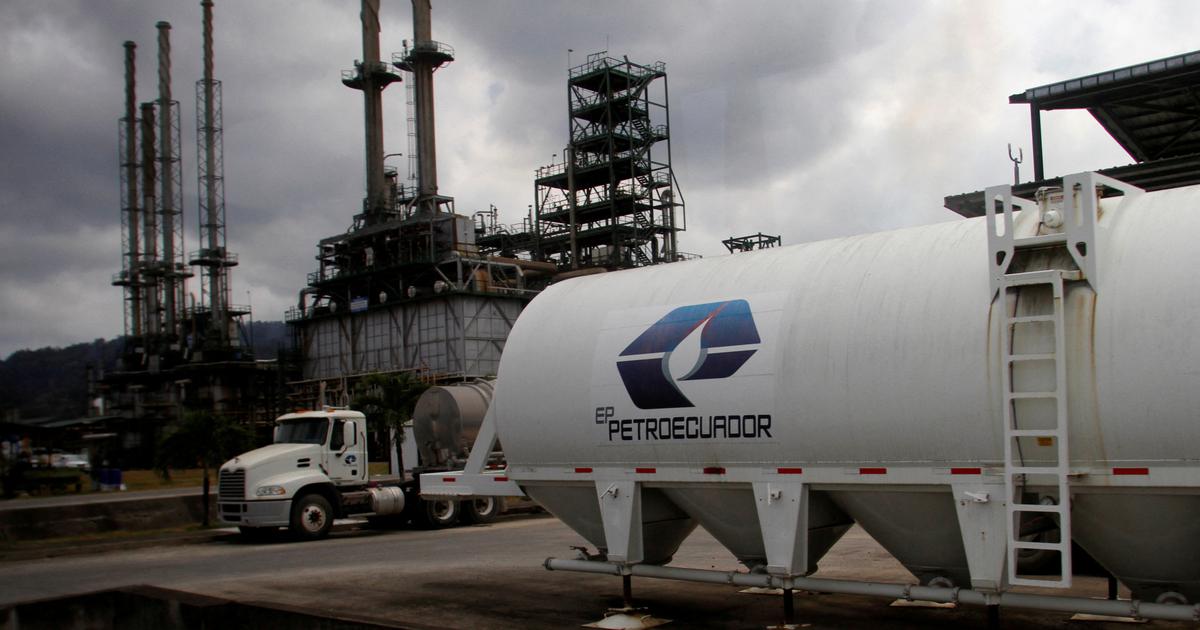
The Recent Oil Refinery Fire in Ecuador: A Brief Overview
Ecuador’s oil industry has recently faced a significant setback due to a fire at its largest refinery. This incident has raised concerns about safety measures and the ongoing reliance on oil as a major economic driver for the country. In this article, we will delve into the details of the fire, its implications, and the broader context of Ecuador’s oil production.
Overview of the Incident
On a typical Monday morning, chaos erupted as a fire broke out in Petroamazonas refinery, located in Esmeraldas, Ecuador’s largest coastal province. Reports indicate that the blaze ignited in a fuel tank, leading to a thick column of smoke visible from miles away. The Minister of Energy, Inés Manzano, assured the public via social media that "the situation is under control," although the specifics regarding the cause of the fire remain elusive.
Safety Precautions Taken
In the immediate aftermath of the fire, safety was a primary concern. Military personnel and refinery staff quickly established a security perimeter to facilitate emergency response vehicles. Employees were evacuated to ensure their safety, with the local Risk Management Secretariat confirming that this was a precautionary measure. The refinery has suspended operations, emphasizing the importance of maintaining infrastructure integrity while investigations are underway.
Importance of the Esmeraldas Refinery
The Esmeraldas refinery plays a crucial role in Ecuador’s economy. With a daily processing capacity of 110,000 barrels of crude oil, it is the most significant among the country’s three refineries. Ecuador heavily relies on its oil exports, making any disruption in production a matter of national concern. The recent fire has highlighted the urgency for increased safety protocols in an industry that is both economically vital and hazardous.
Economic Implications
Ecuador is one of South America’s major oil producers, with an output of approximately 475,000 barrels of oil per day. Oil exports generated a substantial $8.6 billion in revenue for the country in 2024, underscoring the importance of stability in this sector. Disruptions, such as the recent refinery fire, can have ripple effects on the national economy and international trade relationships, particularly with countries that import Ecuadorian oil.
The Role of Petroamazonas
Petroamazonas, the state-owned company responsible for much of Ecuador’s oil production, released a statement acknowledging the fire and its immediate response measures. The company reassured stakeholders that a comprehensive investigation would be undertaken to identify the fire’s cause and assess the damage to the refinery. This incident raises questions about the reliability of Ecuador’s oil infrastructure and the potential need for modernization to prevent future occurrences.
Community Impact
The local community in Esmeraldas is undoubtedly affected by this incident. Beyond immediate job concerns for refinery employees, the broader economic implications could lead to increased instability in a region already dependent on the oil industry. Public sentiment also plays a crucial role, as residents express concerns over environmental and safety standards within petrochemical industries.
Future Outlook
As Ecuador navigates this challenging situation, there will be increased scrutiny of its regulatory frameworks concerning safety and environmental protections. The government may face pressure to invest in better technology and training to ensure the safety of workers and infrastructure, thus minimizing the likelihood of similar incidents in the future.
Investors will also be watching closely as the aftermath of the fire unfolds. A focus on sustainability and resilience will be critical for maintaining Ecuador’s position in the global oil market. The fire’s impact on the local economy and the confidence of international investors will likely influence future investments.
Conclusion
In summary, the Esmeraldas refinery fire is a stark reminder of the vulnerabilities within Ecuador’s oil industry. As the country grapples with the implications of this incident, it is crucial to prioritize safety and modernization to protect both the economy and the well-being of its citizens. The path forward will require a concerted effort to address the systemic issues that contributed to this event while ensuring that oil remains a cornerstone of Ecuador’s economy.
L’Équateur est l’un des principaux producteurs de pétrole d’Amérique du Sud, avec quelque 475.000 barils de pétrole par jour.