
Oncology Advances: A Silver Lining Amid Budget Cuts in American Medical Research
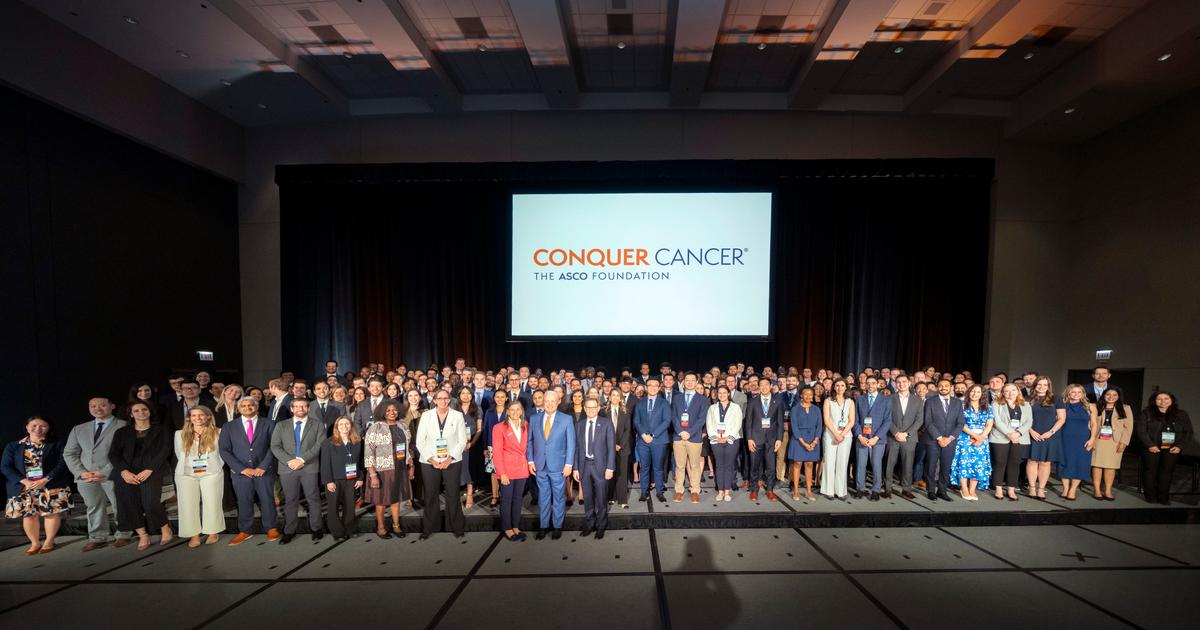
Despite the looming threat of budget cuts impacting American medical research, the global elite in oncology remains remarkably optimistic about the recent advancements in cancer treatment. The recent annual meeting of the American Society of Clinical Oncology (ASCO) in Chicago, which drew about 30,000 attendees, highlighted significant progress in the fight against cancer, specifically focusing on immunotherapy.
The ASCO congress took place at the McCormick Place convention center, turning it into a bustling hub of researchers, clinicians, and industry professionals from around the world. Amid the fast-food stalls and expansive exhibition spaces, participants shared a paradoxical sentiment: “It’s always strange to see so much junk food at a cancer conference,” said one attendee, alluding to the contradictions in lifestyle and health discussions.
During the five-day conference, numerous presentations showcased mostly positive results , reaffirming the growing understanding and application of immunotherapy in treating various types of tumors. “We are mastering this type of treatment,” stated a leading expert during one of the plenary sessions, underscoring the progress being made in immunotherapy modalities.
This year’s conference spotlighted several groundbreaking studies aimed at improving the efficacy of immunotherapy. For instance, one major presentation unveiled data on the use of checkpoint inhibitors, drugs that help the immune system recognize and attack cancer cells more effectively. This has shown remarkable results for patients with previously hard-to-treat cancers, including melanoma and lung cancer.
The Promise of Precision Medicine
Moreover, the integration of precision medicine continues to be a vital topic at ASCO. Tailoring treatments to the genetic makeup of individual tumors has led to breakthroughs that were unimaginable a decade ago. Researchers shared compelling case studies where patients experienced significant remissions due to personalized cancer therapies.
For instance, a clinical trial highlighted the use of targeted therapies for breast cancer patients with specific genetic mutations. By attacking cancer cells more directly and reducing damage to healthy cells, these therapies promise improved outcomes and reduced side effects, setting a new standard for treatment approaches.
However, these advances do not come without challenges. Financial constraints and potential reductions in funding for medical research threaten the sustainability of these cutting-edge innovations. Many researchers expressed concerns regarding the implications of budget cuts that could stifle further advancements in oncology research.
The Role of Government and Private Funding
Ensuring that research continues to thrive requires a collaborative approach involving government agencies, private investors, and healthcare organizations. Several participants at ASCO stressed the importance of continued investment in cancer research and the need to lobby for policy changes that encourage funding for innovative studies.
“Cancer knows no boundaries, and neither should our commitment to finding cures and effective treatments,” stated an oncologist during a panel discussion. This sentiment resonated with many at the conference, highlighting the moral obligation to invest in life-saving research despite financial uncertainties.
Hope on the Horizon
As the congress drew to a close, participants left with a renewed sense of hope and purpose. The resilience of the oncology community, coupled with the shared optimism for future breakthroughs, underscores a collective drive to continue pushing the boundaries of what is possible in cancer treatment.
Clinical trials are set to expand, and new collaborations will forge a path toward innovative therapies that could significantly change the cancer treatment landscape. As the theme echoing throughout the ASCO conference indicates, although the battle against cancer is fraught with challenges, the progress made thus far gives every reason to remain hopeful.
CONCLUSION – Despite the threat of budget cuts looming over American medical research, the global oncology elite remains deeply optimistic about recent advancements in cancer treatments. The ASCO conference reaffirmed that with mutual commitment, innovative approaches, and effective policy advocacy, the oncology community can continue to make significant strides toward conquering cancer.