
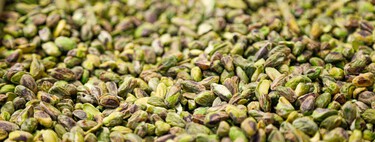
The pistachio has transformed from merely a delightful dry fruit into a multi-million-dollar industry that is experiencing soaring growth. According to forecasts from Data Bridge Market Research, the global pistachio market is projected to exceed $5.8 billion within the next ten years. In Spain, particularly in the region of Castilla-La Mancha, farmers are recognizing this potential, dedicating more land to the cultivation of this nut. Regional cooperatives are optimistic, predicting this year’s production could hit record levels, with estimates suggesting up to 8,900 tons —a fourfold increase from last year’s output.
This significant uptick illustrates the “Pistachization” of Castilla-La Mancha’s agricultural landscape. A staggering 8,900 tons of pistachio could be harvested in 2025 if industry forecasts hold true. On a recent Wednesday, agro-food cooperatives from the region announced that this season’s harvest is expected to surpass last year’s production of just over 2,200 tons . The cooperative members indicate that they are on track to witness the largest pistachio yield in their region’s history, with hopes that much of this harvest will be of high quality and from ecological farms .
<img alt="For more than a thousand years Spain was a world power in pistachio production. Then disappeared completely" width="375" height="142" src="https://i.blogs.es/f55f32/photo-1598110996285-54523b72be93/375_142.jpeg"/>The expected yield of 8,900 tons would mark an astonishing increase. According to information from the *Agricultural Agency *, this anticipated amount far exceeds last year’s low figures, showing just how much this industry is expanding within the region. Producers believe that much of the forthcoming fruits will be high caliber , further validating the shift towards pistachio farming.
The Government of Castilla-La Mancha estimates that the total dry pistachio harvest in 2023 reached 5,580 tons , which constitutes nearly 75% of Spain’s national output. This remarkable projected increase in production reflects both a farming boom and the region’s growing role as a significant contributor to the global pistachio market.
Why this boom matters is multifaceted. The variability seen in production figures from year to year, sometimes soaring and at other times plummeting, reveals a dynamic yet uncertain agricultural environment. Just a year ago, many cooperatives were predicting a slight downturn in fruit production, citing the cyclical nature of pistachio trees.
Despite these fluctuations, the current predictions indicate a quadrupled production rate , setting the stage for a historic outcome. This upward trend signifies the growing importance of pistachio cultivation in Castilla-La Mancha. One only needs to take a brief tour through the Province of Toledo to witness how lands traditionally used for cereals and grasses are being converted into thriving pistachio plantations.
<img alt="The best pistachio, that of Madrid: this is how the capital of Spain wants to become the capital of the dry fruit" width="375" height="142" src="https://i.blogs.es/054113/captura-de-pantalla-2025-03-08-a-las-22.57.05/375_142.jpeg"/>Another noteworthy figure comes into play: 64,400 hectares of land are now dedicated to pistachio cultivation in Castilla-La Mancha. Per reports, 16,400 hectares of these are currently in production, with a significant portion, over 12,215 hectares , planted in dry land . The increase this year owes much to the 5,550 hectares newly brought into production, marking a 40% rise compared to last year’s figures.
The trends observed in Castilla-La Mancha are not isolated; they are part of a larger pattern of growth across Spain. Recent reports from Agroptium indicate a robust increase in land dedicated to pistachio cultivation, with totals rising from 15,000 hectares in 2016 to nearly 78,500 hectares by 2023.
The implications of this data for Castilla-La Mancha are significant, as the region has proudly positioned itself as a leading player in both national and international pistachio markets. According to government data, Castilla-La Mancha accounts for approximately 80% of the total area designated for pistachio farms across Spain, contributing roughly 75% of the country’s total dry fruit production. Specifically, the region produced 5,580 tons of dry pistachios out of the national total of 7,550 tons .
Images sourced from Jake Belluci (Flickr).
The surge of pistachio production in Castilla-La Mancha not only illustrates a prosperous agricultural shift but also highlights Spain’s strategic importance in the global pistachio market. As farmers adapt to this growing trend, the region is poised to solidify its status as a key player in the industry, fueling both domestic economies and international trade.