
The 2024 Texas Eclipse: A Lesson for Spain
On April 8, 2024, the Texas power grid faced an unexpected challenge when approximately 13.8 gigawatts of solar energy entered the system at noon. Just 45 minutes later, as the Moon obscured the Sun, 800 megawatts disappeared from the grid in a matter of minutes. While Texas managed to cope—with natural gas and battery storage interventions that prevented widespread disruption—the event provided crucial insights into potential issues arising from solar eclipses. These insights are especially relevant as Spain prepares for its own eclipse on August 12, 2026.
What to Expect on August 12, 2026
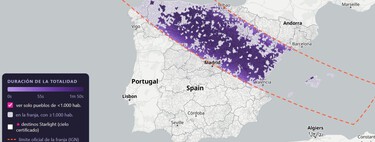
Interestingly, as the Moon crosses Spain, stretching from A Coruña to Mahón, many are left wondering if there will be significant impacts on the electrical grid. However, the consensus is that very little will happen. The eclipse is set to occur in the evening, specifically at 8:30 PM, a time when solar energy contributions will already be diminishing.
An Analysis of the Eclipse Impact in Texas
During the Texas eclipse, data from ERCOT revealed dramatic fluctuations in solar energy availability. At peak times before the eclipse, photovoltaics accounted for 27.6% of the electricity mix but plummeted to 1.7% within a short span. Nevertheless, gas generation covered approximately 80% of the lost capacity, while batteries contributed around 1.4 gigawatts. The crucial difference, however, lies in timing. In Texas, the eclipse occurred during midday when sunlight was abundant, while in Spain, the solar output will already be low by the time the eclipse reaches its peak.
Will Spain Experience Any Disruption?
Although official forecasts are not yet available, preliminary calculations suggest that the eclipse may add a minor disturbance, potentially resulting in a loss of 4-5 gigawatts. This level of disruption is within the range that the Spanish grid typically manages on warm August afternoons. Consequently, the likelihood of significant issues arising during the August 2026 eclipse appears minimal.
Looking Ahead: The 2027 Eclipse
While the immediate concern revolves around the 2026 eclipse, it’s essential to focus on the much larger potential disruption posed by the solar eclipse on August 2, 2027. This future event will see more than 70% of the solar disk obscured nationwide, with figures climbing as high as 100% in regions like Cádiz and Málaga. Given that a substantial portion of Spain’s photovoltaic capacity is concentrated in these areas—more than 65% of the solar parks—the 2027 eclipse poses a significant risk that demands careful planning and preparedness.
Preparation and Future Actions
In readiness for these astronomical events, the Spanish government has established a commission comprising thirteen ministries to examine the implications of the trio of eclipses from 2026-2028. However, despite this initiative, there is currently no public plan outlining how the electrical grid will respond specifically to the 2027 eclipse. This lack of clarity underscores the need for proactive discussions and strategic planning.
A well-structured approach can help mitigate risks during the 2027 eclipse, ensuring that the electrical grid remains stable even as a substantial portion of solar energy generation may be interrupted.
Conclusion
In light of the lessons learned from Texas, Spain has a unique opportunity to prepare for future eclipses. While the 2026 event is unlikely to cause significant disruption, the 2027 eclipse presents a more formidable challenge that requires coordinated planning and action.
Image Credit: Luis Olmos, Martijn Baudoin