
Windows is one step away from turning 40 years old. The first version of the operating system appeared in November 1985, and since then, it has not stopped evolving. However, Microsoft tends to take a long time to update some components of its products.
Evolution of the Windows User Interface
With Windows 10, for instance, the company introduced a renewed user interface. Yet, it wasn’t until years after its launch that Microsoft began to remove some icons from the Windows 95 era. Fast forward to Windows 11, the company has started renewing classic programs like Paint and Notepad, showcasing a blend of modernization and nostalgia.
Historical Elements in Modern Windows
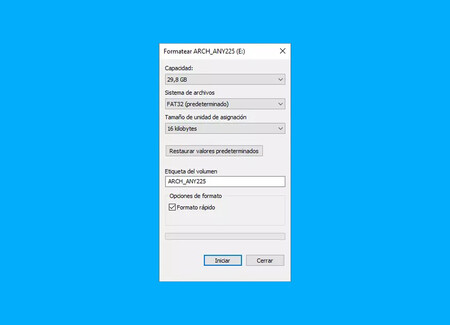
Regardless of how modern Windows 11 may feel, there remain several elements that we could classify as historical. One notable example is the utility for formatting disks.
Currently, if you wanted to format a storage drive in Windows 11, you would encounter a pop-up window that looks almost identical to the one you would have seen decades ago. This raises the question: who created this longstanding interface?
The Man Behind the Format Dialog
A former Microsoft programmer named Dave Plummer recently shared some fascinating insights about this integral part of the operating system. Plummer noted that he created the Format dialog box on a rainy morning in late 1994.
The Genesis of the Format Utility
At that time, the team was migrating millions of lines of user interface code from Windows 95 to Windows NT. The formatting section differed significantly between systems, necessitating the creation of a new user interface. Plummer took on this challenge.
Interestingly, he did not intend for this to become a permanent solution. Using a sheet of paper, a pen, Visual C++ 2.0, and the Resource Editor, he designed a temporary interface. “It wasn’t elegant, but it would do until the elegant user interface arrived,” he remarked.
Legacy of the Formatting Utility
During this development, Plummer also set a 32GB limit for formatting FAT volumes. This limitation is noteworthy since FAT can support larger volumes, but creating them requires command-line operations.
The disk formatting utility’s interface made its debut in the NT-based operating systems, such as Windows 2000 and Windows XP. Remarkably, it has persisted over the years, effectively serving as the temporary solution conceived by Plummer back in 1994.
Conclusion
The story of Dave Plummer and the Format dialog serves as a poignant reminder of the rich history that underpins one of the most widely used operating systems in the world today. As Windows approaches the age of 40, it continues to evolve while holding onto its legacy elements, intertwining innovation with nostalgia.