
The Dark Chapter of the Great British Pet Massacre
“It is not well known because it is not a pretty story. It does not fit the idea we have of being a nation loving animals.” These chilling words belong to Hilda Kean, a British historian. She dedicated years to researching an unsettling episode that transpired in Great Britain, just before World War II—a period marred by chaos and fear, ultimately leading to a grim decision only a few understand today. This episode is commonly referred to as “The Great Massacre of Dogs and Cats.”
The turn of events began in August 1939, a month that hardly provided any comforting news across British newspapers. As Nazi forces marched toward Poland, the situation rapidly intensified, setting the stage for the conflict that would engulf the world. Meanwhile, the British press was filled with alarming predictions, sending ripples of anxiety through the populace.
The Start of a Tragic Plan
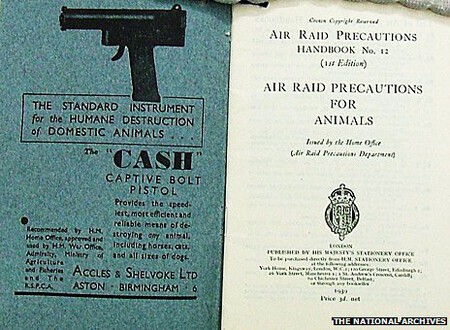
On August 28, 1939, a particularly savage announcement reached households across Britain. The Ministry of Internal Security issued *advice for animal owners*, warning them to either relocate their pets to the countryside or, if that was impossible, to humanely euthanize them. This directive circulated widely through newspaper articles and even over the airwaves of the BBC . The description of the “humanitarian destruction” method, involving a captive bolt gun traditionally used for livestock, horrified many.
The impact of this announcement was immediate and devastating. Kean estimates that around 400,000 pets were put down within just a few days, particularly in London. The wave of sadness and fear caused people to make heartbreaking choices. Clare Campbell, author of *Animals Under Fire 1939-1945*, lamented the shocking event, describing it as a “national tragedy.” Indeed, many were caught in a frenzy to alleviate their fear of food shortages and impending bombings.
The Collective Tragedy of Pets
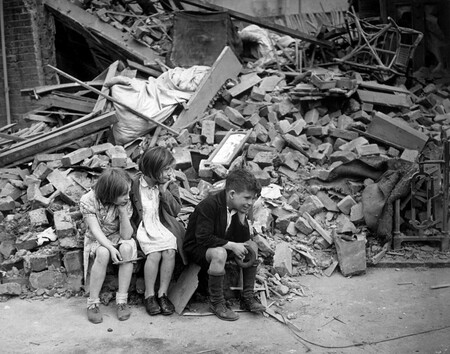
Reports from that time tell harrowing tales of long lines forming outside veterinary clinics. People waited for hours , clutching their beloved pets and sharing in their mutual sadness, uncertain of what the future held. Maria Dickin, founder of the PDSA , was among those deeply affected, reflecting on the horrors that unfolded during those bleak days. Emergency protocols complicated matters, leading to overcrowded facilities unable to cope with the influx of euthanizations.
According to some estimates, up to 750,000 pets may have been euthanized in that tumultuous week. Various organizations, including the National Air Raid Precautions Animals Committee (NARPAC) , voiced concerns regarding this widespread practice. Many urged the government to reconsider, pointing out the moral responsibilities of pet ownership amidst the war’s chaos.
The Underlying Fear of War
What compelled so many to take such drastic measures? Fear was undoubtedly the driving factor. The memories of the last war were fresh in the minds of the British public, who worried about food shortages and the subsequent inability to care for their pets. Families were not just preparing for possible bombings but also for the foreboding rationing that would come with war. As noted by Campbell, some even faced personal dilemmas, opting to sacrifice loved animals rather than risk their wellbeing in uncertain conditions.
Moreover, some believed that the act of sacrificing a pet during wartime was a necessary step, considering it inconsiderate to keep an animal amid the chaos of a conflict. Pip Dodd of the National Army Museum emphasized that many viewed maintaining pets as an unnecessary burden during such dire times.
Resistance Against the Massacre
Interestingly, not everyone supported the idea of mass euthanization. Animal defense organizations like PDSA and the RSPCA opposed the slaughter of pets. Several veterinarians argued against the drastic measures being taken, advocating for alternatives that did not involve euthanasia. The Duchess of Hamilton emerged as a prominent figure during this time, trying to establish safe homes for pets in the countryside, urging people not to resort to sacrifice.
Despite the overwhelming fear and hysteria, some pet owners found ways to keep their animals, sharing food resources and caring for one another. Battersea Dogs and Cats Home managed to feed over 145,000 dogs during the war, proving that compassion existed even amidst the chaos.
As the war progressed, the situation for pets became more complex, illuminating the challenges of caring for animals in wartime while also hinting at the ongoing evolution of societal values regarding pets. The decisions made during this dark chapter have left an imprint on the British psyche, serving as a sobering reminder of the costs of fear during a time of turmoil.