
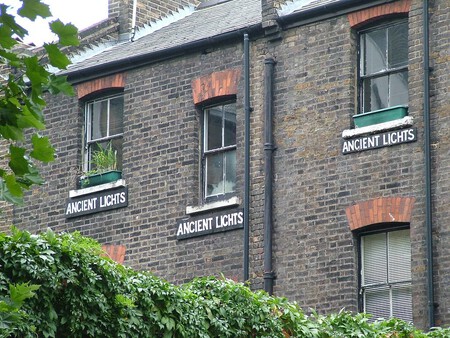
The United Kingdom is often synonymous with gray, overcast days. Rarely does the sun shine unimpeded in this country, making natural light a precious resource. To protect this scarce commodity, there exists a “right to light,” a legal entitlement that allows homeowners to prevent new constructions from obstructing the sunlight entering their homes.
The Origin of the Right to Light
This unique law, established in 1832, grants property owners the right to block new buildings that intrude upon natural light reaching windows that have enjoyed such sunlight for more than twenty years. This easement ensures that homeowners can claim their natural light—and any attempt by neighbors to infringe on this may lead to legal action for “nuisance.”
Homes eligible for this protection often bear “Ancient Lights” signage, a clear indication of their legal standing in this regard.
Modern Implications of Ancient Rights
Although this legislation has evolved over time, the debate around natural light rights remains active. Historic buildings around cities like London, Dorset, and Kent still proudly display “Ancient Lights” signs. More than a century later, this law continues to spark various litigations, creating complexities for judges, lawyers, and construction companies alike.
Assessing Light Rights: Legal Loopholes
A pertinent question arises: how much natural light does one actually have the right to? Here lies a significant flaw in the law. Windows need not be entirely blocked by obstructions for homeowners to claim their rights. The critical factor is that homeowners must maintain a consistent level of lighting, which can often be challenging to quantify and is thus open to interpretation.
In the 1920s, legal expert Percy Waldram proposed a standardized measurement for determining adequate light levels, suggesting that a minimum of one foot-candle (a unit of light intensity) should be sufficient for common activities like reading.
Legal Avenues in Case of Disputes
When disputes arise regarding light rights, homeowners have two primary legal options: seeking damages or obtaining a court order. Damages involve monetary compensation for the loss of light, while a court order could necessitate the demolition of the infringing structure unless mitigated by other means. Unfortunately, demolition can often be prohibitively expensive.
In historic cases, like one from 2010, courts have made surprising rulings, allowing injunctions even after construction completion. A more recent 2020 case reaffirmed this, demonstrating that builders could still be held accountable for knowingly infringing on light rights.
International Perspectives: A Look at Spain
Similar light rights statutes exist in countries like Spain, where property owners also have rights over adjacent buildings that may block their light. Regulated by the Spanish Civil Code, these laws stipulate conditions for opening windows or balconies without infringing on neighboring properties’ light rights.
Articles within the Civil Code specify conditions, such as maintaining a minimum distance between walls to prevent light obstruction, underscoring that such easements are not just a British legal quirk but part of broader civil rights in property law.
In summary, the interplay between natural light rights and urban development remains a critical legal frontier in the UK and beyond. Property owners are urged to be aware of their rights and seek legal counsel when needed to navigate this complex landscape.
Image | Chris Flexen