
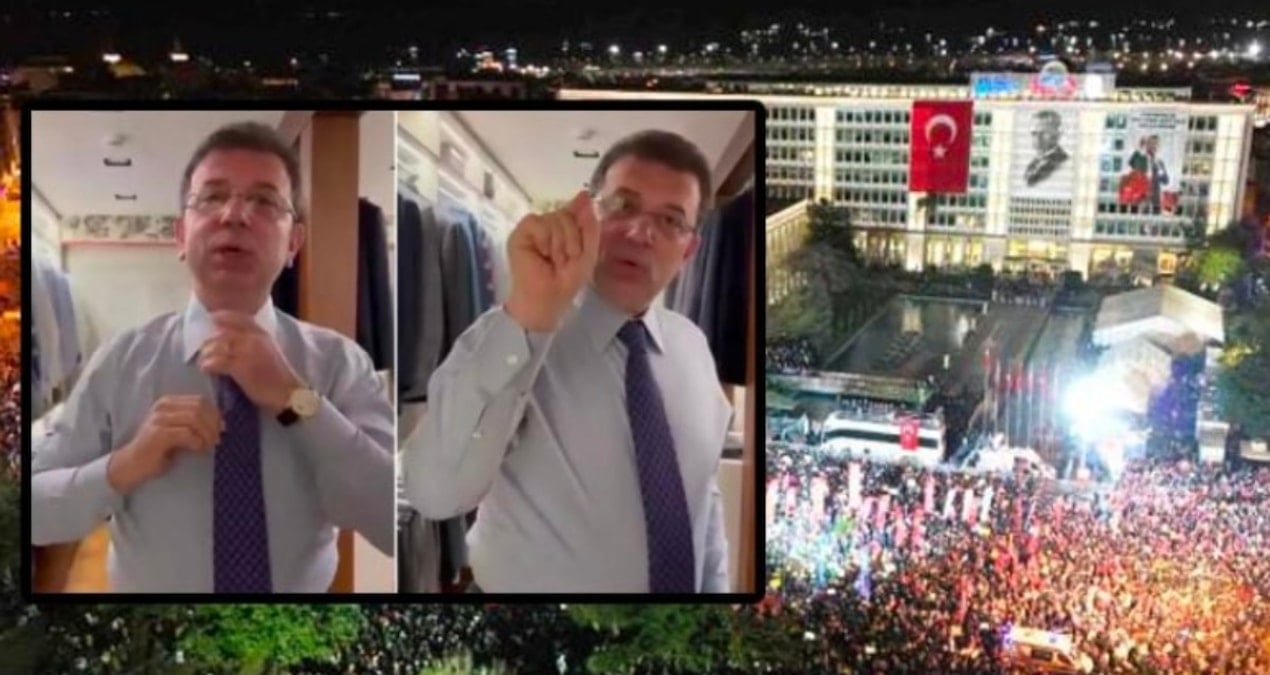
The political landscape in Turkey took a significant turn in March when the Republican People’s Party’s (CHP) presidential candidate and the Mayor of Istanbul, Ekrem İmamoğlu , was detained on March 19 and subsequently jailed three days later. Following these events, Turkey’s economy experienced remarkable instability , with repercussions still being felt today.
On social media, İmamoğlu shared a documentary that delves into the economic turmoil occurring during this pivotal period. The move aimed to shed light on the dire state of the Turkish economy amid rising tensions and political controversy.
ECONOMIC IMPACTS
The series of events beginning with the pre-dawn operation on March 19 triggered significant market fluctuations . Notably, the Istanbul Stock Exchange experienced trading halts on two occasions, affecting investors and igniting concern among the populace. The Turkish lira plummeted, while gold and euro prices surged to unprecedented levels.
As the stock market closed for the week, the trading halts prompted the economic management team to enforce restrictions , combining bans and incentives to stabilize the market. In an effort to mitigate the impact of the currency depreciation and stock market losses, the Turkish Treasury reportedly injected approximately $55 billion into the economy.
İMAMOĞLU SHARES DOCUMENTARY
Turpun büyüğü diyeli 4 ay oldu!
Dananın kuyruğu diyeli 2 ay oldu!
Ahtapotun kolları diyeli 1 ay oldu!Peki sonuç ne oldu?
Bakın ekonomistler ne diyor yaşananlara; https://t.co/OUXLFVUJoyEkrem İmamoğlu pic.twitter.com/psOF99s0Gt
— Cumhurbaşkanlığı Aday Ofisi (@CBAdayOfisi) June 2, 2025
The phrases translate to: “It’s been four months since we saw the big carrot, two months since we saw the tail of the bull, and one month since we witnessed the arms of the octopus!” This commentary reflects his views on how the current political and economic climate intertwine, articulating the dire situation Turkey finds itself in.
The economic landscape has raised concerns among citizens, with many apprehensive about what the future may hold. Inflation continues to rise, affecting consumer purchasing power while many are left struggling to cope with the burgeoning costs of living.
Economists have expressed varying opinions on the government’s handling of the crisis, with some deeming it as an essential maneuver to retain investor confidence, while others criticize the government for maintaining policies that many see as responsible for the economic downturn .
RESPONSE FROM ECONOMISTS AND PUBLIC REACTIONS
Analysis from various economic experts indicates a disparity in recovery strategies. Many economists predict that without significant reforms, Turkey’s economy will continue to face hardships . Public sentiment echoes these concerns, with many Turkish citizens voicing their dissatisfaction on social media platforms. The narrative often highlights fears of losing their savings due to inflation and currency devaluation.
The political turmoil has also forced individuals to revisit their understanding of economic policy, urging a dialogue concerning sustainable practices moving forward. Citizens have begun to call for transparency and accountability within the government, waiting to see if the current administration will shift its focus toward addressing the underlying economic issues that persist.
As we continue to observe the ongoing developments, the question remains; what will be the long-term consequence of İmamoğlu’s arrest on the Turkish economy? Will it lead to significant changes in governance, or will it further entrench the current regime’s policies?
In conclusion, the arrest of Ekrem İmamoğlu has marked a significant chapter in Turkey’s political and economic history. As the nation grapples with an uncertain future, the intersection of politics and economics will be closely examined by both experts and citizens alike. Continued vigilance and critical dialogue will be fundamental in navigating this tumultuous period.