
The Untold Story of Gladiatorial Shows: A Brown Bear’s Fate at Viminacium
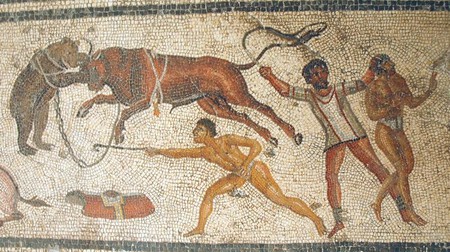
Throughout history, archaeologists and storytellers have envisioned the Roman amphitheaters bustling with gladiators , weapons, and a variety of wild animals used for thrilling spectacles. They often rely on historical texts and mosaics for inspiration. However, true palpable evidence that tells the intricate stories of these ancient events is a rarity.
Recently, this quest for concrete evidence was fulfilled by a team of archaeologists in Serbia , who uncovered intriguing findings near the remnants of the Viminacium amphitheater . This ancient site, once a thriving venue capable of hosting around 7,000 spectators , provided more than just stones; it offered a glimpse into the life and death of an animal that once fought in its arena.
More Than Just Bones
What the researchers unearthed was not simply a collection of bones, but rather a brown bear’s skull , accompanied by an extraordinary narrative. Researchers led by Nemanja Marković revealed that the skull bore distinctive markings indicating its last days in Viminacium . Through advanced bone analysis techniques —including radiographic imaging, microscopic examination, and DNA sequencing —the team discovered that the skull belonged to a male bear, approximately six years old, likely captured from the forests of the Balkans .
This finding opens up questions about the Romans’ hunting practices , suggesting an organized system devoted to supplying exotic animals for spectacles. Previous studies have indicated the extensive logistical operations involved in obtaining lions and other beasts for the empire’s various arenas, reiterating that these blood sports were integral to Roman entertainment.
Decoding the Wounds
While the skull may reveal the species and age of the bear, its injuries tell an even deeper tale. One of the most striking findings was a large frontal wound, characterized by signs of both healing and infection . This injury implies that the bear suffered a serious wound during its time in captivity or combat.
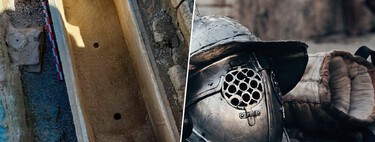
To comprehend the nature of this injury, researchers turned their attention to the gladiatorial events and the role of the venatores (animal fighters) who faced off against these creatures in the arena. Historical records reflect that such confrontations have been a staple of Roman entertainment, lasting from the Republican period to the end of antiquity.
Unraveling the Mystery
Marković and his team speculate that while they cannot definitively conclude the bear died in the arena, the evidence suggests the trauma it sustained may have contributed significantly to its fate. Interestingly, this finding offers the first concrete osteological evidence of brown bears participating in Roman shows.
The researchers noted additional injuries as well. The bear’s jaws displayed signs of recurrent infections, while its canines exhibited wear—potentially indicating prolonged captivity during which the creature possibly gnawed at its cage bars. “It is likely that he had been imprisoned for years, not merely weeks,” Marković stressed, suggesting multiple engagements in the Viminacium shows, witnessed by tens of thousands.
Lasting Significance
A final mystery remains surrounding the placement of the skull. Discovered within the remains of a small building close to the amphitheater’s entrance, the implications of this burial are profound. Unlike typical discarded animal remains, which were often found dismembered and spread about the arena, this deliberate interment hints at a symbolic value attributed to the bear—perhaps based on respect or superstition . Marković comments, “The death of the bear was undoubtedly significant, not anonymous or banal.” Other discoveries, such as parts of a leopard’s skeleton, further cement the idea of ritualistic respect for these creatures.
This groundbreaking research not only provides rare insights into the interactions between humans and animals in ancient Rome but also prompts us to reconsider our understanding of entertainment and its moral implications in the past. Archaeological endeavours like these challenge our perceptions and enrich our knowledge of ancient cultures and their complex relationships with both the wild and the civilized.