

Peter Thiel is one of the most influential and controversial names in the technological world, known for his business success with projects such as PayPal and Palantir, as well as his unconventional perspectives on education and religion. Recently, he sparked heated debate when Reuters leaked recordings from a series of private conferences where he cautioned Elon Musk about the potential misuse of his wealth should it be donated to the wrong individuals.
Peter Thiel and His Influence in Silicon Valley. Thiel is a central figure in Silicon Valley, recognized as a founding member of the “PayPal mafia,” a collective of entrepreneurs who have redefined technology and amassed considerable economic and political influence. His role as a mentor and investment partner to industry giants, including Mark Zuckerberg, has allowed him to control venture capital funds that significantly impact numerous pivotal companies in the San Francisco Bay Area.
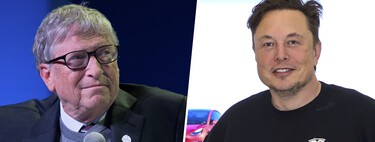
One particularly interesting relationship in Thiel’s career is with Musk, with whom he co-founded PayPal. In the leaked transcripts, Thiel recounted how he advised Musk against donating to Bill Gates through The Giving Pledge, an initiative whereby millionaires commit to donating a significant part of their wealth to charitable causes.
During his talk, Thiel expressed, “I told him [Elon Musk] that their money would end up in the hands of organizations selected by Bill Gates.” Musk reportedly replied, “What am I supposed to do, give it to my children? It would be worse to give it to Bill Gates,” according to the leaked transcripts.
Musk Rules Out Gates. In previous years, Gates and Musk engaged in several discussions about potential philanthropic investments that could align with Musk’s vision. However, when the prospect of Musk’s donation commitment appeared likely, he abruptly distanced himself from Gates, criticizing him for having short positions on companies like Tesla, which is dedicated to fighting climate change. This development caused a significant rift between Musk and Gates, leading to a relationship described as “oil and water.”
Thiel’s warning to Musk to remain wary of Gates could be directly connected to this rapid deterioration of their philanthropic interactions.
The Fear of Global Power and the Figure of the “Antichrist”. According to reports from Guardian, the transcripts shed light on Thiel’s deeper worries about a potential emerging global power figure, whom he metaphorically refers to as the “Antichrist.” This figure is believed to be a byproduct of increasing dominance in the realm of artificial intelligence.
Thiel posits that this entity could present itself as a solution to pressing global crises, such as climate change or nuclear threats. However, he warns it may ultimately suppress individual freedoms and create uniformity of thought. As noted by Fortune, these concerns stem from Thiel’s interpretation of biblical texts and the dangers of advancing science without a robust ethical framework, leading to a global system demanding obedience in exchange for order and safety.
Technology Will Set You Free. Thiel argues that substantial technological wealth shouldn’t be distributed to charitable causes indiscriminately; rather, he asserts, “large technological fortunes should be used to protect human freedom” from the threats posed by a centralized global authority that controls capital and innovation. His warning emphasizes that if governments and international bodies manipulate investments and innovation, they may stifle creativity and human potential under the guise of global security.
Elon Musk’s acquisition of Twitter, his involvement in the Trump campaign, and his actions with cryptocurrency exemplify how Thiel’s warnings have influenced Musk to reevaluate his philanthropic commitments and consider fortifying the legacy of his wealth amidst these rising concerns.
Thiel’s perspective offers a complex view of how wealth, technology, and freedom intertwine. As we delve deeper into the implications of his warnings, we find ourselves confronting broader questions about responsibility, innovation, and the future of our societies.