
Grooming at Independiente: A Disturbing Recruitment Scheme
The recent grooming scandal involving the Argentine football club Independiente has sent shockwaves throughout the community. Authorities have arrested two individuals and revealed a series of shocking chats showing how these suspects groomed young boys from the club through social media, promising them “10,000 pesos per week” in exchange for personal and intimate images.
Arrests and Investigation
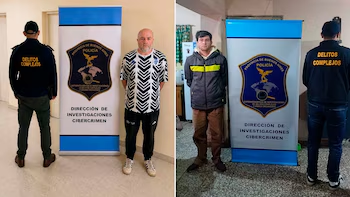
The investigation was initiated after the club reported incidents of grooming involving youth players. Police from the Cybercrime Investigations Directorate of Buenos Aires conducted a thorough investigation, which resulted in the arrest of Martin Eduardo Diez, 41, an employee of the National Ministry of Health, and Gustavo Aníbal Bautista, 52, a Geography teacher at secondary schools in Ituzaingó and Morón. The suspects had reportedly been in contact with young teenagers associated with the lower divisions of Independiente from January to April of this year.
Modus Operandi
The recruitment methods employed by the suspects were alarmingly sophisticated. Using fake Instagram profiles and temporary messages, they contacted vulnerable teenagers, many of whom lived in the club’s boarding house away from their families. The conversations revealed attempts to gain the young players’ trust, often starting with offers for financial assistance and companionship.
“Botinero” Scheme
One notable aspect of the grooming scheme involved one suspect posing as a “botinero”—a term for individuals who provide money to young football players without expecting anything in return. In one chat exchange, the accused offered a 13-year-old boy “10,000 pesos per week,” later increasing the amount to “30,000 a month.” The suspect asked the boy for his alias to facilitate money transfers and inquired about how the money would be spent, requesting photos in return.
Vulnerable Targets
Another part of the investigation showed the suspects discussing potential outings with young players and manipulating their circumstances. In one exchange, a teenager mentioned being locked in the boarding house on a Saturday night. The suspect suggested going out together, leveraging the boy’s isolation to gain further trust.
Exploitative Conversations
Conversations also included sending sexual content through single-view messages as the suspects sought to normalize inappropriate behavior. This predatory technique targeted the emotional vulnerabilities of the teenagers, many of whom were far from home.
Evidence and Further Investigations
The criminal investigation led to FBI-enforced raids in Vedia and Villa Tesei, where police seized cell phones, computers, and external storage devices. The inquiry revealed that Bautista had made at least 17 money transfers to minors via the payment platforms Mercado Pago and DNI Account, further substantiating claims of financial inducement in the grooming process.
During the raids, authorities also uncovered two photographs depicting minors in compromising situations, one directly connected to a victim, deemed of significant interest in the investigation.
Conclusion: Ongoing Concerns
The accused have tried to obscure their tracks by frequently changing their social media profiles and using public locations to conduct their communications. Both individuals remain in custody, while authorities continue to investigate the possibility of more victims and other participants involved in these heinous acts.
This case serves as a stark reminder of the vulnerabilities many young athletes face in competitive environments and the need for robust safeguards against predatory behavior in sports. The community must remain vigilant in protecting its youth against such exploitation.