
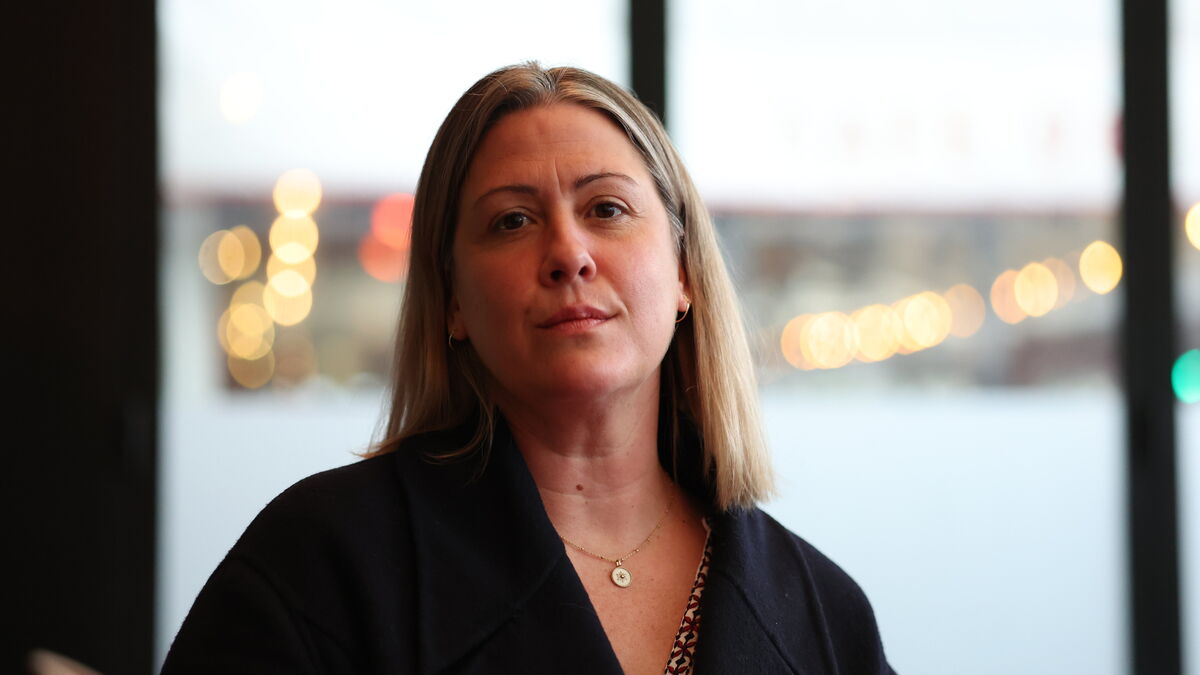
A troubling consequence of the Mazan rape trial has emerged, as Caroline Darian, daughter of Gisèle Pelicot, spoke candidly about her complicated relationship with her mother. According to reports from The Guardian, Caroline’s poignant revelations have raised questions about familial support in the wake of trauma.
At the recent Hay Literary Festival in Powys, Wales, Caroline discussed her experiences surrounding her autobiography, *And I Stopped Calling You Dad* (Editions J-C Lattès). She articulated her struggle to gain recognition for the sexual abuse she claims to have suffered at the hands of her father, Dominique Pelicot, who was convicted last December. Caroline expressed distress over her mother’s lack of support, emphasizing her belief that Gisèle has been unable to acknowledge the abuse of her own child .
Earlier this year, Caroline made headlines when she filed a complaint against Dominique Pelicot, who received a 20-year prison sentence. Caroline accuses her father of drugging her without her consent and sexually assaulting her. In her book, she reveals she has reached a “point of no return” with her mother, who she feels does not believe her allegations.
“Otherwise, I Believe She Would Die”
Caroline interprets her mother’s reluctance to support her as a self-protective mechanism to avoid confronting the horrific reality—that a parent could commit such acts against their own child. “I think my mother is incapable of recognizing it; otherwise, I believe she would die,” Caroline stated, even expressing gratitude towards Gisèle for her presence in her life.
The legal complaint filed by Caroline outlines various charges against her father, including rape, attempted rape, and sexual assault by a parent . It emphasizes the distressing psychological impact of these acts, including the administration of substances to impair her judgment. This pattern of chemical submission parallels her father’s alleged techniques against his ex-wife, Gisèle.
“It’s evident that I was drugged: I was found undressed, at night, in two different locations with the lights on. I have a light sleep; I never sleep in such positions. He also photographed me coming out of the shower, along with my sisters-in-law,” Caroline shared in prior statements. Significant elements of the complaint have arisen from photographic evidence uncovered during initial investigations in 2020, including images of her nude or asleep at her father’s computer.
The Struggles of Speaking Out
Caroline’s narrative extends beyond mere accusations; it delves into the psychological complexity of familial relationships strained by trauma. The difficulties she faces in gaining recognition from her mother highlight a broader issue that many survivors of abuse encounter. The silence surrounding such matters can often lead to feelings of isolation and despair , particularly when the victim’s own family struggles to confront the painful truths.
The societal perception of abuse, often mired in stigma and misunderstanding , adds another layer of complexity to Caroline’s ordeal. Her continual battle not only seeks justice against her father but also aims to bring awareness to the crucial need for family support when coping with trauma. In sharing her story, Caroline hopes to empower other victims to find their voices and confront their abusers.
The Call for Awareness and Support
The Mazan case serves as a pivotal moment for discussions around sexual abuse, especially involving family members. Caroline’s experiences urge society to reevaluate how we support survivors and the importance of believing their stories. Creating an environment where victims are heard and validated is essential for healing, paving the way for justice.
In the midst of such trauma, Caroline Darian’s journey reveals the challenges many face when confronting familial abuse. The complexities of her relationship with her mother and her father’s heinous actions serve as a reminder of the importance of support within families. As society becomes more aware of these issues, it is hoped that change will foster a more supportive and understanding environment for survivors navigating their tragic experiences.