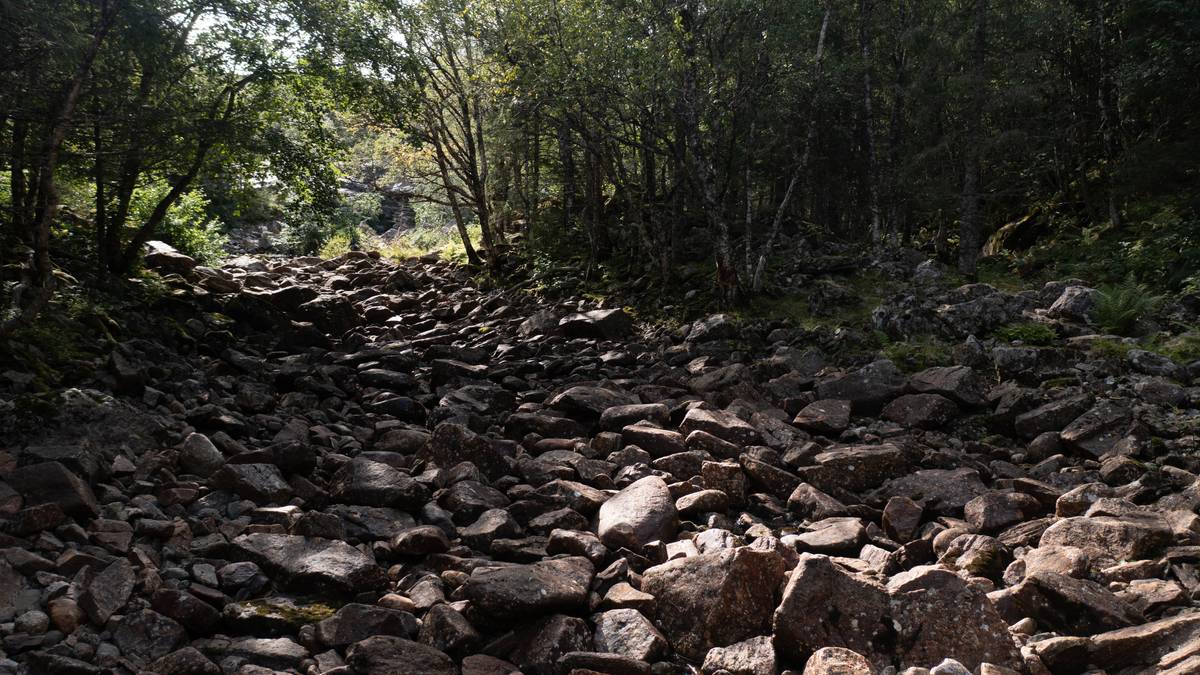
Småkraft AS is Europe’s largest small power company, with over 200 small power plants in Norway and Sweden. They make what the world needs to save the climate: pure, renewable energy. – It is important to make energy. But it is even more important to do it in a sustainable way, without damaging nature, says CEO Terje Vedeler. Five years in a row, Vedeler has celebrated that Småkraft AS has been named number one among the hydropower companies in an international sustainability score. Facsimile from LinkedIn. Småkraft AS markets first place both to the public and in stock exchange reports: “Small power stands as the leading sustainable global hydroelectric power producer among its peers.” Photo: Faksimile / Småkraft AS The award is made by the global rating company Gresb. Assessment Within Its Peer Group. ” Foto: Faksimile / Småkraft AS Vi ble nysgjerrige. Hva skal egentlig til for å nå helt til topps i bærekraft? Vi spurte GRESB, og fikk vite at deltakerne ikke trenger å dokumentere miljøpåstander. Egenrapportering er nok. GRESB vil heller ikke dele opplysningene kåringen bygger på. Det er opp til selskapene selv hva de vil offentliggjøre. Småkraft AS har valgt å dele rapporten sin med news. Lager vannkraft uten å Using water in the report states Småkraft AS that they do not remove any water from nature: they have no “water inflows/withdrawals”. Bjørndalselvi in Vestland. Only so -called minimum water flow is released through the dam. Photo: Ronald Hole Fossåskaret / news So it will also be in the other rivers the company’s over 200 power plants retrieves water from. – On these stretches you actually take away most of the water? – Yes, that’s right, says Vedeler. But usually we are not allowed to dry completely. We will release some water past the dam. Rasdalselvi, Voss in Vestland. A bit of the river water is released through the dam. The rest helps to operate the turbine in the power plant 1.3 km below Photo: Ronald Hole Fossåskaret / news We have asked Gresb how they have considered that the company can make hydropower, without water. – You have to clarify this with the company, which reported that there was no water outlet, says communications director Tyler Guthrie. – The explanation may be that hydropower generally does not remove all water from the entire system, but that it is recycled, says Guthrie. Gresb confirms that they do not check or consider how much water is removed from river stretches with hydropower. Specify zero mortality for endangered species Småkraft AS also states to Gresb that they have zero mortality for endangered species, in all rivers their over 200 power plants utilize. Zero mortality for endangered species, reports Småkraft AS. Photo: Faksimile / Småkraft AS – How can you know this? – We know that because we have annual inspections at all plants, says Vedeler. But annual inspections are not enough to know that mortality is zero, says research director at the Norwegian Institute of Natural Research, Ingeborg Palm Helland. – Mortality due to influence from hydropower can occur at any time of the year, and at any time of day, says Helland. Finds dead We have asked Småkraft AS for an overview of all the rivers in which they operate, and red list species that live there. We haven’t got that. But we know of a river where mortality is not zero: Lenna River in Trøndelag. Here it glows red for the vulnerable species of river mussel. The State Manager in Trøndelag has notified this since 2011. The Lenna River in Trøndelag: Where the river once ran, there are now only balls of stagnant water. State manager Kristian Julien uses water binoculars to look for the river mussel on the bottom water from Lennaelva is transferred through a pipe to a pipe to a pipe to the morkel power, which is available from a pipe of this information, which is available from the information of this information by this information by this information from the information of this information by the information of this information by the information of this information by the information of this information by this by In the environmental authorities’ open databases, species maps and water networks. For over 40 years, the power plant here has been allowed by the energy authority NVE to dry the river. It was bad until already when Småkraft AS took over ownership in 2017. And since then several mussels have lost their lives. Must have water to live the river mussel needs running water to live. We are with senior adviser Kristian Julien from the state manager out in the Lenna River one August day in 2023. This day he finds only dead. River mussel is on the international red list. More than half of Europe’s surviving individuals are found in this country, which gives Norway a special responsibility for preserving the species. In the Lenna River, the stock is halved in 20 years. More water for the river is the only thing that can save it, according to the state manager. – Divergent facts We have sent Småkraft AS Environmental authorities’ openly available facts about the river mussel in the Lenna River. But Director Terje Vedeler only points out that the company itself has had several inspections in the river, without finding any river mussel. – Here are the divergent facts. Therefore, we will now conduct new studies with an independent biologist, says Vedeler. Meanwhile, professionals fear that more river mussels will die. – If we release more water, we produce less energy. We will not do that if it is not necessary, says Vedeler. Not illegal to dry the river It is not illegal for Småkraft AS to use all the water in the river, so the clam dies. The company is not required to release any water to the Lenna River today. However, when strong environmental considerations require, the energy authority can intervene and order minimum water flow. – If we get a demand for it, this is something we can consider, says senior adviser Brit Torill Haugen in NVE. Do not threaten first place Småkraft AS, however, does not need to fear that first place in sustainability is smoking. For if rare and endangered species die, do not count in the Gresb rating. “So regardless of what data Småkraft AS had reported here, it would not have affected the result,” says Guthrie communications director Tyler Guthrie. Photo: Ronald Hole Fossåskaret / news According to Gresb this is because mortality is difficult to measure. – But why are these results anyway in the sustainability report? – There is information for investors. If they want to know more, they can ask the company, says Guthrie. It is up to the companies to decide whether they want to share information – as Småkraft AS has chosen to do. news has asked why Gresb does not even publish all sustainability data, to contribute to public fact -checking and debate. We have not answered these questions. news’s question to Gresb news: Gresb Collects Self-Reported Data on Sustainability from a Great Number of Companies, Among Them Hydropower Producers. These data could be Contribute Significantly to A Public Debate on the Environmental Impact of These Companies, and Their Social Responsibility. But Today, These data are confidential. The Participating Companies Themselves Decide What to Disclose. Companies can use the gresb rating to enhance their sustainability profile, whereeas the public have no means of fact-checking the self-reported data behind the rating. Questions: have you considered publishing these data, in the interest of transparency and public debate? What is the value of the gresb rating, when the self-reported data are not available for fact-checking? Are You Worried That The Gresb Rating Be Used by Companies to Exaggerate Their Actual Sustainability? What responsibility does gresb have to avoid such greenwashing? “Leader among peers” “Småkraft Stands as the leading sustainable global hydroelectric power producer Among Its Peers.” In this way, Småkraft AS has marketed itself for several years, based on the international Gresb award. “In surveys like this, we are measured against companies in a weight class far above our own. The fact that we are at the top reflects our genuine interest in sustainability and the environment, and at the same time provides values for our owners and partners. ” So how many of the world’s hydropower companies really participate? We’ve checked. The answer is 16. We do not know how many hydropower companies there are in the world. But only in Norway is the figure over 400. – Can people get a wrong impression of the award? – What is important to us is not whether we are number one or two. We are committed to continuous improvement in business. We have had a journey in recent years, which we want to celebrate a bit, says Terje Vedeler. Published 11.03.2025, at. 06.47
ttn-69