
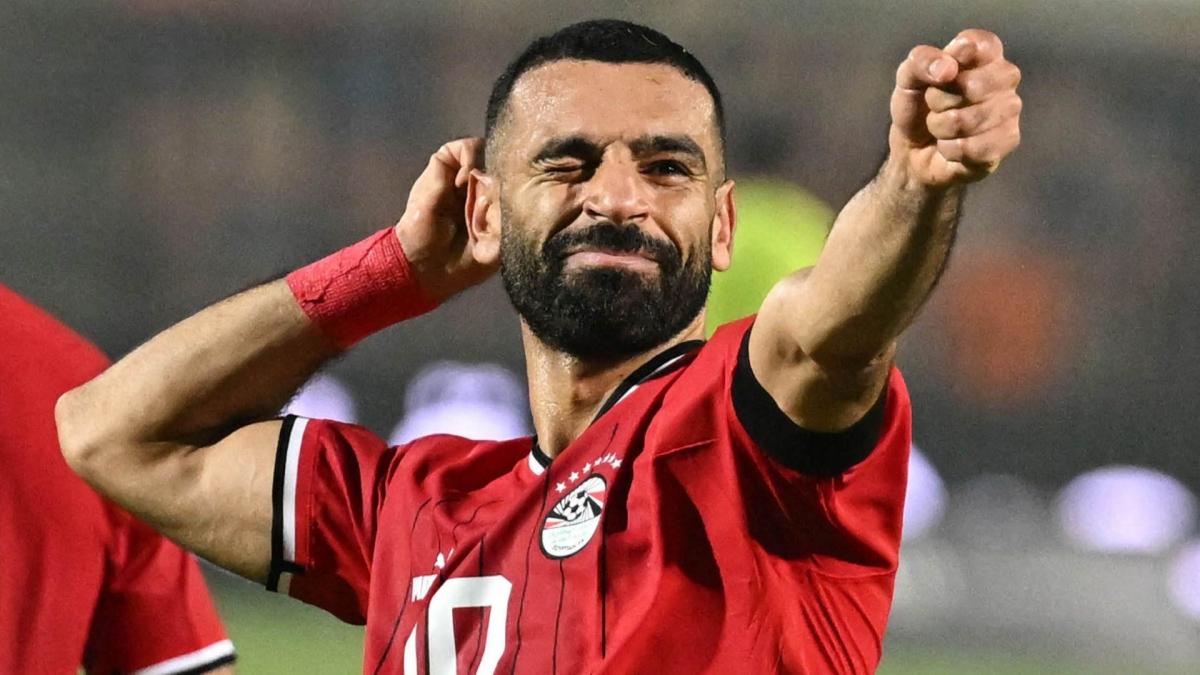
## Salah Surprised by Controversial Penalty Call
Egypt has made a significant mark in the ongoing African Cup of Nations (AFCON) by securing their spot in the round of 16 after a hard-fought 1-0 victory against South Africa. The match saw Mohamed Salah, Egypt’s star player, scoring the only goal of the game from the penalty spot. However, the penalty awarded has sparked a discussion surrounding its legitimacy, raising eyebrows among players and coaches alike.
### The Turning Point of the Match
The foul that led to the penalty has been described as somewhat dubious by various commentators. Hugo Broos, the coach of Bafana Bafana, revealed that even Salah himself was taken aback by the decision. “Salah even came to see me after the match and was surprised that they had whistled a penalty,” Broos stated during a press conference. This admission by the coach highlights the inconsistencies that often plague officiating in football matches, particularly in high-stakes tournaments like AFCON.
### The Complexity of Officiating Decisions
In the aftermath of the decision, Broos elaborated on the confusion surrounding modern refereeing standards. He noted, “The referees spend 45 minutes explaining the rules when it comes to a red card or a penalty. But afterwards, there are so many interpretations that no one knows what to decide.” This statement reflects a broader concern within the football community about the evolving rules and the subjectivity that often accompanies them.
In this specific case, the reasoning behind the penalty was based on an earlier instruction stating that if an arm is outstretched during a play, it is typically penalized. It’s worth noting that this rule interpretation played a crucial role in the match, as Broos remarked, “Then suddenly they say it was a support arm. Who invented this?” Such contradictions in officiating can lead to significant frustration for players, coaches, and fans alike.
### The Implications of Such Decisions
Decisions like these can have lasting impacts not only on the outcome of matches but also on player careers and team morale. For Salah, who is often seen as a leader on the pitch, the confusion surrounding the penalty might have ramifications for his mindset as the tournament progresses. As Egypt continues its AFCON journey, maintaining morale and confidence will be paramount.
### Conclusion: A Call for Clarity
As the African Cup of Nations moves forward, it’s essential for the governing bodies to provide clarity on officiating standards. With players like Salah expressing surprise at crucial decisions, it raises questions about the consistency and fairness of gameplay. Football thrives on passion and excitement, but clarity in officiating can significantly enhance the experience for everyone involved—players, coaches, and fans alike. Achieving a balance between the interpretation of the rules and their implementation remains a challenge that football must continue to address in its quest for integrity and fairness in the game.