
The Importance of the National Weather Service in Oklahoma’s Severe Weather Season
The National Weather Service (NWS) plays a vital role during Oklahoma ‘s severe weather season. This agency is essential for timely forecasts, warnings, and ensuring the safety of residents. As communities prepare for the possibility of severe weather, the NWS is always ready to provide critical information and support.
Behind the Scenes at the Tulsa Office
As we approach another weekend filled with severe weather threats, News On 6 takes a closer look at the National Weather Service office located in Tulsa. This facility operates with a full team of dedicated professionals who tirelessly monitor weather conditions.
Every severe weather day begins well before the skies darken. The Tulsa office employs 12 meteorologists, contributing to a total of 23 staff members in the entire operation . From seasoned forecasters to skilled electronic technicians, each member plays a crucial role in keeping the NWS’s equipment functional and up-to-date.
The Commitment of Meteorologists
For these meteorologists, including Steven Cobb , the mission transcends mere job duties. “We are made up of self-sacrificing people that want to help others,” Cobb states. His commitment reflects a larger ethos within the NWS, where safety is paramount. The professionals here often work late nights and extended shifts, motivated by an unwavering desire to protect the community.
Safety is not only a word but also a philosophy that drives this team. Cobb’s passion for meteorology has roots in his childhood, driven by a personal experience with a tornado. “For me, it was a tornado that struck a town just north of where I grew up,” he recalls. “We were informed by my big brother to look at this funny-looking cloud. We went outside in our backyard, and we could see the tornado developing and starting to take shape.” This moment sparked his lifelong interest in weather patterns and forecasting.
The Role of Technology and Collaboration
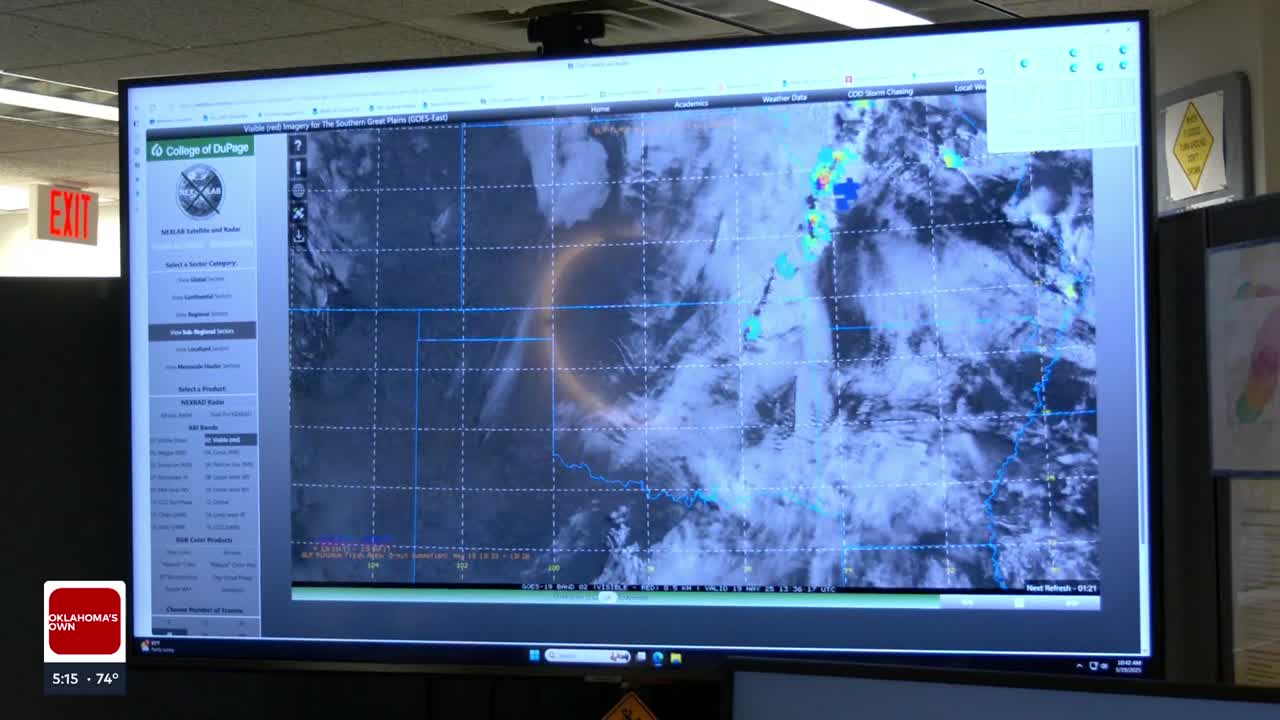
Today, Cobb and his team monitor weather systems through advanced technology and state-of-the-art equipment. These tools enable them to detect and project the development of severe weather systems. However, keeping an eye on the sky isn’t a one-agency job; it requires extensive collaboration between various entities.
Cobb emphasizes the importance of teamwork, stating, “When severe weather threatens, it’s not just one agency sounding the alarm; it’s an entire network working together to keep people safe.” The weather enterprise operates as a closely-knit partnership consisting of public, national, and government agencies, as well as state services and private sectors . Each agency has a specific role, contributing to a comprehensive approach for safeguarding the public.
Community Preparedness and Awareness
The work done at the NWS in Tulsa goes beyond just issuing watches and warnings . The agency is dedicated to educating the public about storm preparedness, helping individuals understand what actions to take during severe weather events. This outreach is vitally important in a state known for its volatile weather conditions.
During community events and through various media, the NWS provides vital information on topics such as emergency kits, communication plans, and safe sheltering techniques. They underscore the importance of maintaining an informed community that can react swiftly during emergencies.
The Future of Weather Monitoring
As we look to the future, advancements in technology promise to enhance our ability to predict and respond to severe weather. The National Weather Service continuously adopts new methodologies and equipment to stay ahead. These innovations are expected to improve forecasting accuracy and speed, allowing for even more effective warnings.
Moreover, the integration of community feedback into forecasting techniques is becoming increasingly valuable. By understanding regional patterns and human behaviors, meteorologists can refine their approaches and offer tailored advice to local populations.
The Psychological Aspects of Meteorology
Beyond the technical aspects, meteorologists like Cobb acknowledge the psychological toll that extreme weather can take on communities. They work not only to provide alerts but also to reassure the public by maintaining a calm and methodical approach during crises. By fostering a sense of community resolve, they help empower citizens to respond effectively to dangers as they arise.
Conclusion
The National Weather Service in Oklahoma stands as a remarkable example of dedication, teamwork, and innovation. As severe weather continues to present challenges, the expertise of the meteorologists, coupled with community education and advanced technology, plays a vital role in enhancing public safety and preparedness. Their commitment ensures that Oklahomans can respond effectively to the unpredictable nature of their state’s weather.