
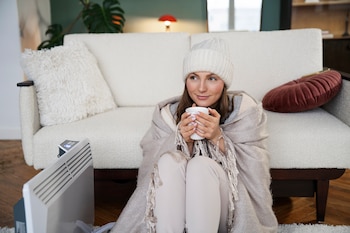
The onset of winter in Argentina brings forth a recurring concern for many households: how to heat their spaces safely and efficiently amid increasing reliance on electric heaters . As temperatures drop, the need for reliable heating solutions intensifies. The Asociación para la Promoción de la Seguridad Eléctrica (APSE) reports that approximately 40% of home fires are caused by electrical issues, highlighting the importance of taking precautionary measures.
In response to these alarming statistics, the Cámara Argentina de Industrias Electrónicas, Electromecánicas y Luminotécnica (CADIEEL) has issued several recommendations aimed at minimizing risks and optimizing energy consumption during the winter months. The recent trend shows that many residences have opted to replace gas heating systems with electric alternatives. This shift is often motivated by ease of installation and a perceived increase in safety, primarily due to the absence of gas leaks. However, this change frequently occurs without a proper evaluation of the existing electrical installations .
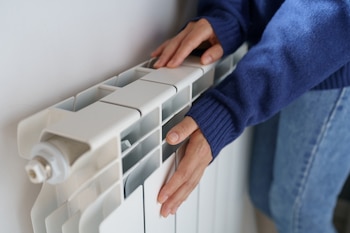
According to CADIEEL , incorporating electric equipment without proper assessment can lead to overloads , power outages, and even fires. This lack of updates in electrical installations poses a particularly high risk in older homes or in those that have added devices without considering the original system’s capacity. The urgency for electrical safety is underscored by the fact that 14% of fire-related fatalities in Argentina are linked to electrical failures.
The organization warns that many of these incidents could be avoided through regular checks and the use of certified products. As energy consumption typically rises during winter months, now is the ideal time to review electrical systems thoroughly.
José Tamborenea , president of CADIEEL , highlighted that most incidents arise from outdated installations or products that lack safety certifications. “While some products are legally permitted, they may not meet quality control standards,” he emphasized. The use of uncertified or low-quality products increases risk as they may fail under overload or prolonged use. It is crucial to choose appropriate materials and equipment to ensure safety at home.
To mitigate risks associated with using electric heating, CADIEEL recommends that a qualified professional check the installation’s condition before adding new equipment. Basic safety elements should be in place, including thermal breakers, differential switches, appropriately sized cables, certified outlets, and grounding connections.
It is also essential not to exceed the total capacity of the electrical system since overloading can lead to outages or fires. These reviews should occur before winter sets in, as the use of heaters and other heating devices escalates.
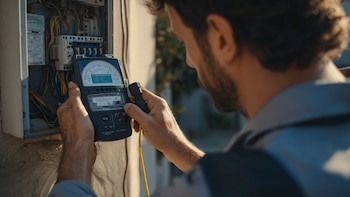
CADIEEL recommends five key tips to enhance electrical safety in households:
- Avoid using multiple extensions for electric heaters. If unavoidable, they should be certified and equipped with current limiters. Avoid plugging multiple high-consumption devices into the same extension cord.
- Purchase electrical materials only from specialized and certified retailers. Avoid street vendors.
- If uncertain about a device’s operation, cease use immediately, unplug it, and consult a specialist.
- Keep cables in good condition and well insulated, replacing them if any wear is evident. Do not plug in more than one high-consumption appliance into a single outlet.
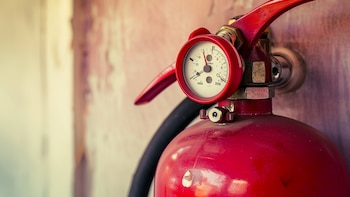
- In the event of a fire caused by electrical faults, do not use water. Employ an ABC or C type fire extinguisher, cut off the power if possible, and evacuate the area.
These actions aim to prevent accidents and protect both individuals and property.
Electrical consumption varies depending on the type of appliance used. An electric heater may require anywhere from 0.5 kilowatts (kW) per hour, while a 2,000 watt heater can exceed 2 kW per hour. Similarly, air conditioning units consume from 1.01 kW per hour at 20°C , surpassing 2 kW when set to 25°C .
Choosing a heating method that complements the size and characteristics of a space significantly affects energy efficiency and ultimately impacts electricity costs. CADIEEL advises adopting prudent habits and criteria when purchasing and utilizing electrical appliances:
- Enhance thermal insulation of living spaces, as it retains heat and reduces energy consumption.
- Unplug appliances not in use as they account for 5% to 16% of consumption when left plugged in.
- Turn off lights and devices in empty rooms, avoiding unnecessary use.
- Opt for devices equipped with “energy-saving” modes and brands marked with Energy Star , such as laptops and printers.
- Choose class A appliances. Always check energy labels and avoid oversized equipment.
These recommendations aim to encourage efficient energy use tailored to each household’s specific needs. Regular maintenance of electrical devices is critical for ensuring both safety and efficiency. According to CADIEEL , ensuring all components function correctly keeps energy consumption at optimal levels. Moreover, clean lamps can perform up to 20% more efficiently. Regular checks of electrical appliances can help households navigate the winter months safely and with enhanced energy efficiency in Argentina .