
Understanding the Crisis: The Plight of Journalists in Gaza
The ongoing conflict in Gaza has brought intense international attention to the region, especially with the alarming casualty figures involving journalists. Since the onset of the war, at least 170 Palestinian journalists have lost their lives. This staggering number highlights not only the dangers faced by those reporting from the ground but also points to a broader issue concerning the freedom of the press and the safety of journalists in conflict zones.
The Deadliest Year for Journalists
According to the Committee for the Protection of Journalists, 2024 has emerged as the deadliest year for journalists globally since the organization began tracking fatalities in 1992. This alarming trend raises significant questions about the environments in which journalists operate, particularly in places of conflict like Gaza. The precarious nature of journalism in these regions demands urgent attention from both the media and the international community.
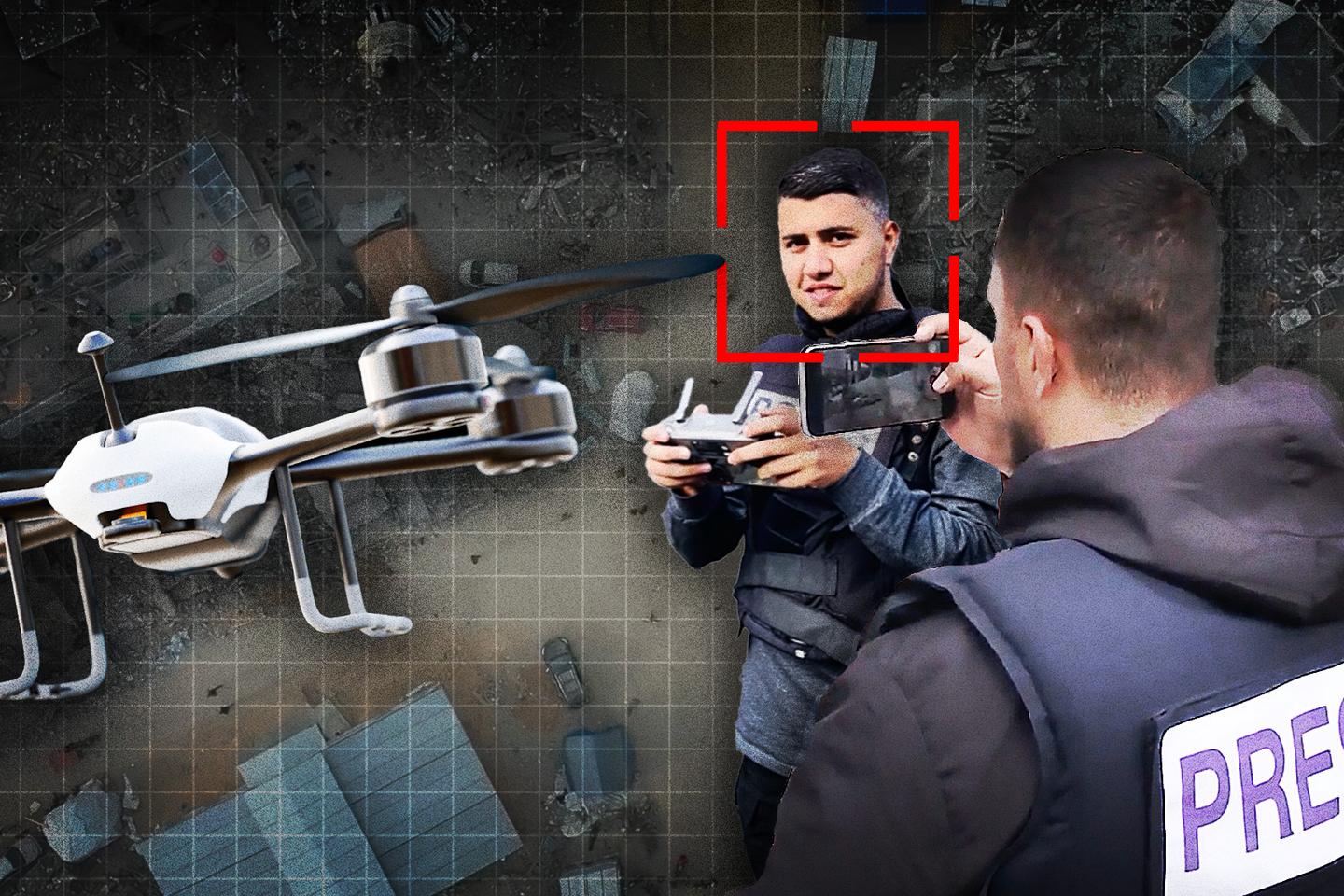
One of the most affected groups is a specialized subset of journalists who use drones to film aerial footage of Gaza. These unmanned aerial vehicles have become an essential tool for providing unique perspectives of the conflict, allowing journalists to capture critical events from above the combat zones. However, this innovative approach to storytelling has not shielded them from the dangers that loom over the war-torn land.
The Israeli Military’s Perspective
The Israeli army states that its operations target members of armed groups deemed to be a threat to its forces stationed in the enclave. However, this assertion is contested by numerous accounts and verified imagery collected by notable media outlets such as "The World." These sources indicate that, in several documented instances, targeted journalists posed no real threat when they were bombed. This discrepancy raises ethical questions about the conduct of military operations and the value placed on human life in these contexts.
Journalistic Integrity Under Fire
In a war zone like Gaza, the line between military action and civilian safety blurs significantly. Journalists striving to cover the events truthfully face tremendous risks, and the question of journalistic integrity becomes paramount. While they aim to report indiscriminately on the consequences of the conflict, their safety often hangs in the balance, putting their lives at stake for the sake of transparency and truth.
Moreover, the loss of life among journalists extends beyond mere statistics; each casualty represents a unique story cut short, a voice silenced before they can convey the realities witnessed through their eyes. The reliance on journalists in such contentious environments is not only vital for informed public discourse but crucial for documenting history as it unfolds.
The Role of Technology in Conflict Reporting
The evolution of technology fundamentally alters the landscape of journalism, especially in conflict zones. The advent of drone technology has provided journalists with the ability to gather visuals and contextualize stories for a global audience. However, this capability does not come without its challenges. Drones have been subject to regulatory scrutiny and pose ethical questions about surveillance and privacy. They serve as a double-edged sword, offering critical insights but also risking the escalation of conflict through their mere presence.
Despite these challenges, the ability to capture live footage from drones has highlighted the humanitarian crises occurring in Gaza, showcasing the conditions under which civilians and journalists alike are struggling. The unsettling images can ignite global conversations about intervention, humanitarian aid, and the protection of journalists.
The Importance of International Response
As the situation in Gaza continues to unfold, international entities must respond decisively to the plight of journalists. Advocacy for press freedom and journalist protection must become cornerstones of diplomatic efforts in the region. International organizations, governments, and civil society must unite to underscore the importance of allowing journalists to operate freely without fear of retribution, especially in active conflict areas.
The loss of journalists underscores the broader implications for democracy and freedom of expression. Without the ability to document events, the realities of conflict remain obscured, leaving society to grapple with incomplete narratives. Acknowledging their sacrifices, respecting their work, and ensuring their safety are essential toward nurturing a healthier environment for free press worldwide.
A Call to Action
As we witness the ongoing suffering in Gaza, it is imperative that we recognize the critical role journalists play in shaping our understanding of global events. Their contributions enrich public discourse and provide crucial information, making their protection a moral imperative. The global community must demand accountability from authorities and work to develop strategic frameworks that prioritize journalist safety.
In conclusion, the current situation in Gaza serves as a poignant reminder of the fragility of life in a war zone and the paramount importance of protecting those who seek to tell the truth. The call for urgent action is not only a plea for justice for fallen journalists but also a demand for a world where free expression and the pursuit of truth are resilient against the tides of conflict and oppression.