
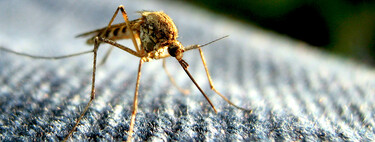
The Battle Against Mosquitoes: How AI is Changing the Game
With the warmth of summer, mosquitoes invade our lives, leaving behind itchy red marks and sleepless nights. These small pests are synonymous with the sunny season, their incessant buzzing a part of our reality. However, a new player has entered this age-old struggle: Artificial Intelligence (AI) . Silent and precise, AI is now battling our unwelcome summer guests, and the stakes couldn’t be higher.
The Research Behind the Fight
A team of researchers from the University of South Florida , led by biologist Ryan Carney and computer engineer Sriram Chellappan , has developed an innovative surveillance system that uses AI to identify, track, and combat the Anopheles stephensi mosquito. This mosquito is a significant vector for malaria, increasingly expanding its range in Africa. The urgency of this initiative is palpable as the threat of malaria continues to grow in urban settings.
A Unique Methodology
The project’s strength lies in its blend of advanced technology and community engagement . The researchers are creating smart traps integrated with AI, designed to attract, capture, and automatically identify mosquitoes. Simultaneously, they utilize mosquitodashboard.org , a global platform launched in 2022 that invites individuals to submit photographs of mosquitoes using their mobile phones. This community-driven effort employs a visual recognition system that identifies mosquito species, yielding an interactive map that helps scientists monitor the most dangerous vectors in real time.
Why Use AI?
The team has engineered cutting-edge algorithms that can identify a mosquito from just a single photo, effectively recognizing features like the head , thorax , abdomen , wings , and legs . This anatomical classification enables the team to distinguish species with remarkable accuracy, even under challenging conditions. As explained in an interview with Reuters , advances in AI have blurred the lines between the identification of disease-carrying mosquitoes and effective public health responses, enabling authorities to intervene more effectively and prevent outbreaks.
The Global Threat
There is a genuine urgency behind this technological deployment, as mosquitoes, including malaria carriers, are adapting to urban environments. Fortunately, the researchers have predicted that creating these smart traps could cost less than $150 , allowing for mass distribution as part of a early warning system in vulnerable regions. This type of proactive approach is critical given the looming threats posed by these pests.
A Multi-Fronted War
While AI shows promise in transforming the battle against mosquitoes, experts caution that technology alone will not suffice. “It will require more than one strategy,” warns entomologist Tom Mascari in comments to Reuters . Traditional measures, such as the use of repellents and awareness campaigns, cannot be replaced and must work in tandem with technological innovations.
The Future of Mosquito Control
In the next five years, Carney and Chellappan’s team plans to refine their algorithms, incorporate additional mosquito species into the system, and train a new generation of African scientists . Their vision extends beyond a reliance on technology; they aim to foster knowledge exchange and encourage international collaboration. Perhaps, for the first time, the summer buzz might evolve from a mere annoyance into an opportunity to anticipate and combat our adversaries effectively.
As we confront the realities of mosquito-borne diseases , it becomes clear that the intersection between AI and public health may very well be the key to future defenses. The collaboration between innovative technology and community participation may provide the insights and strategies necessary to mitigate the threat, offering hope for better summers ahead.
Image | USF
Xataka | Elche is set to release 2.4 million tiger mosquitoes in its city for a noble cause.