
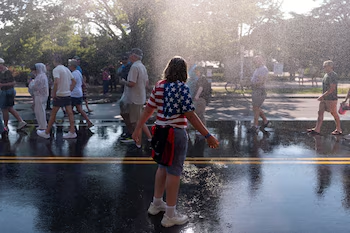
Impact of the Heat Wave on the 250th Independence Anniversary Celebrations
The 250th anniversary of U.S. independence has encountered significant disruptions due to a dangerous heat wave affecting large portions of the country. As cities grappled with extreme temperatures, many planned events, including parades, concerts, and fireworks, faced cancellations or postponements.
Presidential Inauguration at Mount Rushmore
President Donald Trump officially kicked off the commemorative celebrations on July 3 at Mount Rushmore. His speech emphasized American exceptionalism, marking a departure from the unifying messages typically shared on Independence Day by past presidents like Gerald Ford and Ronald Reagan. Trump’s rally, set for the National Mall, promised military flyovers and an impressive fireworks display, touted as one of the largest in the world.
The Heat Wave’s Severity
As the Fourth of July approached, many regions were under a heat alert. Forecasts predicted temperatures to peak at about 107°F (41°C), causing serious concerns for public safety. People braved the heat, but authorities recognized the need to prioritize health. Security measures were rigorously enforced, with attendees required to pass through metal detectors at major events, reflecting the dual worries of extreme heat and public safety threats.
Cancellations and Postponements Across the Nation
The impact of the heat wave became evident quickly. In Washington, the Great American State Fair, a flagship event of Trump’s initiative for the anniversary, closed its doors temporarily when temperatures soared past 38°C (101°F). The festival, which intended to spotlight the best from all 50 states, witnessed significant attendance but had to prioritize safety amid the oppressive heat.
Additionally, the Independence Day Parade was canceled due to forecasts suggesting the heat index could feel as high as 115°F (46°C). Major cities like Philadelphia and Boston also faced similar challenges, with parades and fireworks being called off or delayed. In Philadelphia, the Independence Tribute Parade was scrapped after temperatures reached 39.4°C (103°F)—a record high for the date.
The Bigger Picture: A Heating Nation
This unprecedented heat wave has not only disrupted Independence Day celebrations but also highlighted broader environmental changes. More than 185 million people, representing over half the U.S. population, faced heat alerts. Record temperatures across multiple states prompted electricity providers, such as PJM, to urge consumers to reduce energy use to prevent system overload.
Conclusion
The combination of a historic anniversary and extreme weather has created unique challenges for the 250th celebration of American independence. While the traditions of parades and fireworks have faced significant adaptation, the situation serves as a reminder of the growing impact of climate change and the importance of prioritizing public health and safety during extreme weather events. As citizens continue to find ways to celebrate despite the challenges, the spirit of resilience may shine brighter than the fireworks ever could.