
The Escalation of the Energy Crisis
We have been holding our breath for weeks, accepting the logistical tension in the Strait of Hormuz as the new normal. However, the war has crossed an irreversible red line. We have gone from a trade blockade to the physical destruction of the world’s energy engine, and the consequences are already being felt in the global economy.
The Immediate Impact
The price of natural gas in Europe has shot up 35% in a matter of hours, echoing the worst moments of the Ukrainian crisis of 2022. Experts warn that this attack could be “a turning point for the LNG sector,” akin to the attacks on Nord Stream or potentially worse. The suddenness of the disruption offers no signs of a short-term solution, plunging Europe into energy uncertainty.
Triggering Events
The recent escalation can be traced to a specific set of provocations over the last 48 hours. According to The Wall Street Journal, the original trigger was an attack by Israel against the South Pars field, a vital component of the Iranian energy landscape. This field, sharing its name with Qatar’s North Dome, holds about 10% of global natural gas reserves. It accounts for 70% of Iran’s domestic gas consumption and generates 80% of Qatar’s state income.
Iranian Retaliation
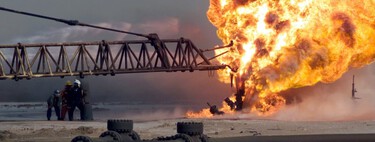
In response, Iran launched ballistic missiles at the Ras Laffan industrial complex in Qatar, recognized as the largest LNG facility in the world. The attack resulted in “extensive damage” and fires, causing alarm throughout the Persian Gulf. Reports indicate that the Iranian Revolutionary Guard declared key energy facilities in Saudi Arabia and the UAE as “legitimate targets,” solidifying fears of a broader conflict.
The Market Reaction
Oil prices have soared, with Brent crude surpassing $110-113 per barrel, marking a staggering 60% increase for the month of March alone. However, the real concern extends beyond daily price fluctuations; the damage inflicted could take years to repair. Reports from QatarEnergy indicate that the Iranian attack could eliminate 17% of the country’s LNG capacity for a duration of up to five years.
Geopolitical Consequences
This crisis is impacting nations far beyond the immediate conflict zone. Iraq has lost 3,100 megawatts of electricity due to Iranian supply cuts. Meanwhile, Turkey must compete fiercely for emergency LNG shipments, exacerbating the tension in the region. Panic is palpable in Europe, with leaders in Brussels consumed by discussions over rising energy costs rather than competitiveness.
A Diplomatic Breakdown
Tensions among U.S. allies are rising, with Arab governments expressing anger over perceived U.S. and Israeli strategies that put their assets at risk. Diplomatic relations are fraying, highlighted by Saudi Arabia’s warning that its patience with Iran is “not unlimited.” Qatar has expelled Iranian diplomats, further isolating Tehran.
Erratic U.S. Response
The U.S. response has been inconsistent. President Trump publicly distanced himself from the Israeli attack but simultaneously issued threats against Iranian oil fields. The White House is exploring extreme measures, including market interventions to lower gasoline prices, a move experts fear could erode confidence in free markets.
Conclusion: A Dead End
The situation in the Middle East has reached a critical impasse. Analysts warn that Iran’s strategy does not hinge on winning a conventional war; rather, they aim to destabilize the global energy landscape. Even if a ceasefire were negotiated, the physical damage done will take immense time and resources to repair. What was once avoidable has now escalated into a crisis that the world must confront.