
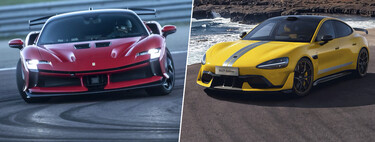
Annihilating European Competition: The Xiaomi SU7 Ultra
Introduction to the Xiaomi SU7 Ultra
Jim Farley, the CEO of Ford, recently expressed his admiration for the Xiaomi SU7, the benchmark electric model from the Chinese tech giant. Among its variants, the Xiaomi SU7 Ultra stands out, showcasing impressive performance that has caught the eye of automobile aficionados and experts alike. Its recent evaluation by the independent European workshop, EV Clinic, has revealed unsettling conclusions – suggesting it could potentially challenge and even obliterate the German automotive industry.
Performance Breakdown: Record-Breaking Speeds
The first intriguing detail that the EV Clinic shared was about the SU7 Ultra’s record at the Nürburgring. It eclipsed renowned competitors, including the Rimac Nevera and the Porsche Taycan Turbo GT, establishing itself as a new contender in the electric vehicle arena. The team’s method of reverse engineering allows them to delve deeper than just surface-level assessments—unearthing insights that many mainstream analysts overlook.
Engineering Insights: Tesla Architecture
Upon examination, the team noted that the chassis of the SU7 Ultra bears a striking resemblance to that of Tesla’s latest models, such as the Model 3 and Model S. Key systems, including the front cushioning and battery compartment architecture, show similarities that raise eyebrows. It appears Xiaomi is leveraging advanced engineering techniques pioneered by industry leaders, while also adding its unique flair.
Powering the Future: Battery and Motor
At the heart of the Xiaomi SU7 Ultra is a formidable 800V battery architecture composed of 214 cells, delivering an impressive 93.7 kWh capacity. The vehicle offers a range of 630 kilometers and can charge from 10% to 80% in just 11 minutes. With a whopping 1,550 horsepower priced at under €100,000, it radically shifts the landscape of electric sports performance. This degree of power typically commands a price tag upward of €250,000 within European markets, positioning Xiaomi as a strong disruptor.
Innovating Comfort and Performance
The SU7 Ultra boasts features typically reserved for high-end models. From track-ready specifications like oversized tires and ceramic brakes to an interior designed for comfort, Xiaomi seems determined to elevate user experience. Notably, it also surpasses Tesla’s Plaid S in continuous high-performance usage, making it a serious player in the sports car segment.
Repair and Usability Concerns
While the EV Clinic hailed the Xiaomi SU7 Ultra as nearing perfection, issues abound. The team’s analysis raised concerns over long-term repairability and accessibility to vital diagnostics, citing difficulties in accessing on-board diagnostics due to security measures. This heightens challenges for third-party workshops, indicating that repair networks may need time to adapt.
CEO Admiration and Future Prospects
Farley’s enthusiasm for the Xiaomi SU7 is palpable, especially after a trip to China where he assessed various electric vehicles, including Xiaomi’s offerings. He has praised not only the car’s power and battery performance but also its integration with HyperOS – bolstering its interconnectivity with smart devices.
Though the SU7 Ultra is not yet available in Europe, Xiaomi has hinted at a 2027 launch. As this electric behemoth prepares for its debut, its potential to disrupt the established European automotive hierarchy remains substantial.
Conclusion
In summary, the Xiaomi SU7 Ultra symbolizes a significant leap in automotive engineering and consumer value. With its combination of record-breaking performance, innovative features, and cutting-edge technology, it poses a tangible threat to European competition, particularly the storied German automotive industry. The coming years will reveal just how transformative Xiaomi’s entry into the market will be.