
Netflix’s Missed Opportunity: The Search for Franchises
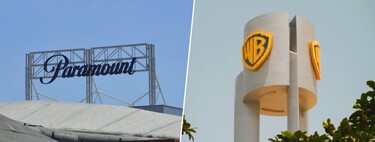
In February 2026, Netflix made a pivotal decision that showcased the vulnerabilities of its strategy. The streaming giant opted not to pursue a significant acquisition of Warner Bros. and its catalog—a deal valued at $72 billion—stemming from a counteroffer by Paramount that Netflix declined to match. This incident highlights a critical weakness: Netflix, with its twelve years of exclusive content, struggles to contend with the formidable legacy of well-established franchises that have been developed over a century.
The Business Landscape
Back in December 2025, Netflix had eagerly announced a tentative agreement with Warner Bros. Discovery for a staggering $72 billion deal aimed at acquiring studios and HBO Max. However, just two months later, Paramount Skydance made a competitive bid of $31 per share, outpacing Netflix’s initial offer of $27.75. Warner Bros. leaned toward the new proposal, prompting Netflix to back out. In a statement, the company emphasized its commitment to fiscal discipline, asserting that the deal was no longer financially viable at the increased price.
The Quest for a Strong Catalog
The aborted deal revealed Netflix’s deep yearning for a robust catalog of content, something that can only be amassed over time—or with significant financial investment. Legacy entertainment giants like Warner, Disney, and Universal boast decades’ worth of iconic characters and stories, while Netflix’s content library remains relatively short. This gap explains Netflix’s willingness to throw substantial resources at acquiring Warner’s assets, particularly as it looks to replace the massive success of series like Stranger Things, which generated over a billion dollars since 2020.
Franchise Failures: Lessons Learned
Netflix’s challenges become even clearer when examining its attempts to build franchises on soaring investments. A notable example is the company’s $700 million acquisition of the Roald Dahl catalog. Despite having rights to beloved works like Charlie and the Chocolate Factory and Matilda, Netflix struggled to convert these properties into significant hits. In 2026, they plan to launch a reality show called Golden Ticket, yet there is little indication it will achieve the same success as shows like The Bridgertons.
The ‘K-pop Warriors’ Phenomenon
On the other hand, Netflix’s unexpected hit, The K-pop Warriors, serves as a testament to the unpredictability of franchise success. This series exploded in popularity, but Netflix was ill-prepared to capitalize on this momentum, lacking associated merchandise for the holiday season. Although the company had engaged toy manufacturers over a year prior to the show’s launch, skepticism about the untested franchise led to missed opportunities. Now, Netflix is scrambling to create partnerships with brands like Mattel and Hasbro while developing an animated sequel.
Looking Ahead: The 2026 Roadmap
As Netflix navigates the increasingly crowded streaming space, it continues to plan exciting new content. Upcoming seasons of major series like The Bridgertons and One Piece are on the horizon, along with fresh adaptations, such as a reboot of Little House on the Prairie. Partnerships with studios like Sony Pictures and Universal aim to bolster their catalog, providing some relief from the competitive landscape dominated by longstanding franchises.
The Urgent Need for Franchises
Why is the acquisition of iconic franchises like Harry Potter, a prominent Warner property, so crucial for Netflix? According to Owl & Co, Netflix’s engagement grew by merely 2% in late 2025, with projected revenue growth slowing from 16% to 13%. In this context, established franchises are not just entertainment assets; they are essential for building viewer loyalty and generating related revenue streams through merchandising and live events. A life-size replica of Hogwarts could serve as a game-changer for Netflix, showcasing the transformative power these franchises hold.