
Understanding the Current Weather Alerts in Spain
The Polar Storm Threatening Spain
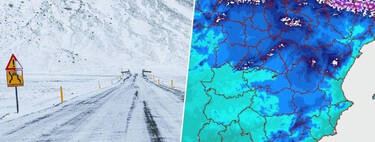
Recent reports suggest that a polar storm is significantly affecting half of Spain, leading to snowfall and temperature drops, particularly in northern regions. However, despite these conditions, the State Meteorological Agency (AEMET) has not issued a single red weather warning. This situation raises important questions about the nature of weather alerts and their implications for public safety.
Why No Red Alerts?
The Role of AEMET vs. Civil Protection
To understand why AEMET has refrained from issuing red alerts, it’s crucial to differentiate between the roles of AEMET and Civil Protection. AEMET is dedicated to providing weather warnings based on objective, scientific measurements such as temperature and precipitation thresholds. On the contrary, Civil Protection issues alerts based on the anticipated impact of weather conditions on the population and infrastructure.
This distinction means that AEMET can issue warnings classified as orange or yellow, indicating significant but not extreme weather conditions, while Civil Protection may decide to activate alerts due to the potential consequences of those conditions.
The Current Situation: A Close Call
The current situation in Spain exemplifies this difference in approach. Although AEMET has not activated red warnings because the forecasts do not predict extreme snowfall, the Junta de Castilla y León has declared alerts in several provinces, including Burgos, León, Palencia, and Soria. The heavy snowfall has created challenges, but not to the extent that AEMET considers it ‘extreme’ from a meteorological standpoint.
Factors Behind Increased Awareness
While the meteorological outlook might not categorize this episode as severe, several social factors contribute to the heightened awareness and concern:
First Snowfall of the Season: The arrival of snowfall at lower levels early in the season can catch populations unprepared, making it particularly concerning.
Early Winter Weather: This episode is occurring before the official start of winter, therefore increasing the unpredictability of transportation and daily activities.
Busy Weekend: The snowfall coincides with a busy weekend, likely increasing the potential for accidents and disruptions.
The Importance of Context in Weather Alerts
The current situation highlights a crucial lesson in meteorology: the importance of context. It’s not solely about the amount of snowfall or temperature drops but rather when, where, and how these events affect people.
As Víctor González noted, if this same weather pattern occurred on a typical weekday in February, it might not have warranted an alert at all. This situational dependency illustrates how various factors—including timing, public preparedness, and potential traffic volumes—play significant roles in decision-making regarding weather warnings.
Conclusion: Preparedness is Key
The ongoing polar storm serves as a reminder of the need for proper preparedness. While AEMET’s role is to provide the scientific basis for weather predictions, the responsibility for public safety also lays with citizens and local authorities to remain vigilant and prepared for changing conditions. Understanding the nature of alerts—whether green, yellow, or orange—is critical for residents to navigate winter weather effectively.
Image credit: ECMWF | Alev Takil on Unsplash.