
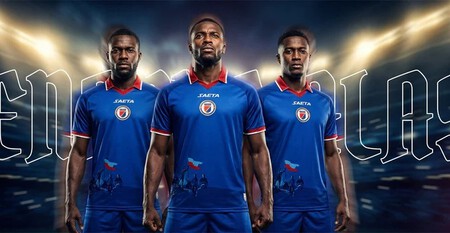
Haiti’s World Cup Return: A Controversial Jersey Steals the Spotlight
After a 52-year absence from the FIFA World Cup, Haiti’s much-anticipated return has ironically been overshadowed by discussions about their newly designed jersey. With their debut match against Scotland looming, the focus remains on the jersey’s design, its political implications, and FIFA’s controversial demands regarding its changing.
The Historic Context
Haiti’s last World Cup appearance was in 1974, a time when their football prowess was yet to be acknowledged. As they prepare to take the field again, their history is worth remembering—not only for their past performances but also for the cultural significance embedded in their new jersey’s design.
The jersey reflects a historical narrative, symbolizing the struggles and triumphs of the Haitian people. This context is essential for understanding why the design has garnered both attention and criticism.
What’s Inside the Jersey Design
The Haiti team kit, created by the Colombian sportswear brand Saeta, features a predominantly vibrant theme, drawing inspiration from Haiti’s national flag. Notably, a controversial element is the faint design of silhouettes showing men holding a flag, which suggests messages of resilience and unity. Notably, the colors of the flag depiction have sparked debate—some claim it looks like the Polish flag.
The Polish Flag Controversy
Interestingly, the use of specific colors has led many to speculate whether the design intentionally includes a tribute to Poland. This speculation has resulted from a viral tweet analyzing the jersey’s visual impact during a friendly against Peru, where the hues appeared more prominent. The debate is further fueled by Haiti’s historical gratitude toward Polish soldiers who aided in their fight for independence in the early 19th century.
FIFA’s Response
In light of the growing controversy, FIFA has deemed the jersey “too political,” demanding swift modifications just days before the tournament begins. This intervention has sparked outrage among fans and commentators who view it as an overstep infringing on Haiti’s cultural expression.
A spokesperson for the Haitian Football Federation clarified that the design’s intent was a tribute to resilience rather than a political statement. Despite this, FIFA maintains that the imagery could be misinterpreted under their kit regulations, prompting the necessary changes.
Cultural Significance and Contextualization
Haiti’s return to the World Cup stage represents more than just a game; it symbolizes enduring hope and cultural identity after decades of adversity. The tumultuous political and social history of Haiti, including its emancipation struggles, adds layers of meaning to their presence in the global arena.
Fans and historians alike have noticed FIFA’s double standards, especially when juxtaposed with their recent activities, such as awarding a Peace Prize to Donald Trump amid discussions of political imagery.
Final Thoughts
As Haiti steps onto the world stage this season, their journey emphasizes identity, resilience, and the often complex relationship between sports and politics. Whether through their jersey design or the stories they carry, Haiti’s presence in the World Cup will undoubtedly keep the conversation alive—not only about football but about culture, history, and the tenacity of the human spirit.