
The Exciting Conclusion of the 2025 Club World Cup
The 2025 Club World Cup is approaching its thrilling climax, with the final match set to unfold on Sunday, July 13, 2025, at the iconic Metlife Stadium. Football enthusiasts around the globe are eagerly awaiting the showdown between Paris Saint-Germain (PSG) and Chelsea, following PSG’s stunning 4-0 victory against Real Madrid in the semi-finals. This final represents not just the pinnacle of club football, but also a moment for reflection by FIFA’s president, Gianni Infantino, on both the successes and challenges posed by this tournament.
Infantino’s Remarks on Competition
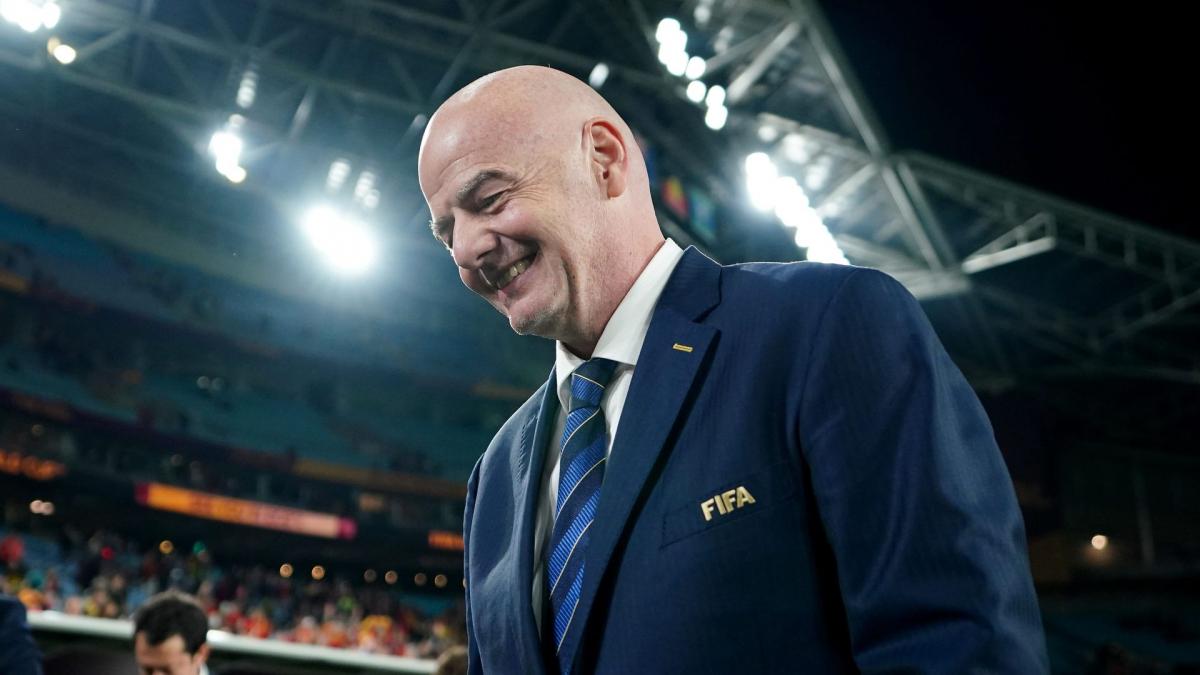
In a recent interview, Infantino expressed his thoughts on the topic of overloaded match schedules. Some critics have voiced concerns about the intensity of the fixtures, especially for teams like PSG, who have already participated in over 60 games this season. Infantino, however, offered a different perspective, stating, “We can’t say that. We have clearly seen that the teams were happy. I respect the different opinions. We even accept… but as president, I defend what FIFA sets up.” His comments suggest a commitment to the structures FIFA has created, even in the face of criticism.
Financial Success and Impact on Teams
One of the striking points from Infantino’s address was the substantial financial impact of the Club World Cup. He noted, “We have generated more than two billion dollars in revenues; this represents $31 million per game. No other tournament is approaching that. It’s a huge, huge, huge success.” These figures underscore the tournament’s robustness from a economic standpoint. The financial health of FIFA is often a reflection of its ability to attract major teams and sponsors, thus ensuring that the competition remains a huge draw for fans and advertisers alike.
However, amid this prosperity, there remains an undercurrent of concern regarding players’ well-being. Many professionals have voiced worries about the extended seasons and the physical toll that comes with relentless matches. As the sport continues to innovate and expand its global footprint, these challenges deserve attention.
The Club World Cup’s Future
Looking ahead, there are plans to hold the Club World Cup again in four years. This not only raises questions about the sustainability of such a demanding competition but also ensures that teams prepare accordingly. As football evolves, the delicate balance between commercial success and player welfare remains a pivotal conversation.
Player Perspectives
In the wake of the Club World Cup, reactions from players will be essential in understanding the broader impact of this tournament. Leading figures in football have shared their insights, often reflecting a mix of excitement for showcasing their talents on an international platform, paired with the apprehensive feelings surrounding fatigue and injury risks. With many top players participating in multiple tournaments each season, their experiences can significantly influence how tournaments are structured in the future.
The Role of Fans and Popular Opinion
While FIFA may revel in its financial accomplishments, the sentiments of the football fanbase are crucial. Fans are the heartbeat of the sport, and their perspectives can shape the narrative surrounding competitions. The overwhelming support for marquee events often competes with frustrations about scheduling conflicts and player rotations. Ultimately, the fans are an essential part of this dialogue, and their voices must not be overlooked.
As the final match between PSG and Chelsea approaches, the anticipation generates enthusiasm not just for the clash of these two elite clubs, but also for the potential outcomes that could change the landscape of future tournaments. Will this final ignite fresh debates regarding player health and tournament structures? The spotlight will certainly be on the performance of both teams, but the aftermath could be just as revealing.
In conclusion, as the 2025 Club World Cup wraps up, it serves as a significant chapter in the ongoing narrative of global football. Infantino’s optimistic projections raise questions about the future balance of success, competition, and player welfare. The actions taken in the aftermath of this tournament will be crucial in shaping how football operates in a world that demands both commercial viability and the health of its athletes. Such considerations may influence FIFA’s approach to future competitions and the formats they adopt.