
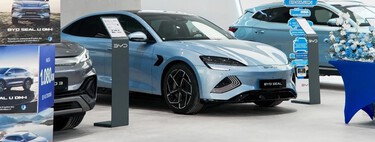
The aid to buy an electric car is chaos. They should stop being so soon. Very soon, in fact. Or, at least, that is the (umpteenth) promise that the Government has made in this regard. He announced it in the Council of Ministers, confirming that the presentation of the bases to receive the Auto+ Plan is just around the corner.
What Has Been Announced
The Auto+ Plan is expected to be operational very soon, bringing hope for smoother aid processes for purchasing completely electric vehicles. This was disclosed during a press conference by the Government.
Details of the Auto+ Plan
Despite the announcement, the media statement lacked clarity. The funding will still hinge on vehicle cost, manufacturing location, and battery origin. The Government’s previous promises from February 2026 about timely aid delivery have yet to manifest.
Defined Aid Structure
The governmental framework for the aid, defined in February, stipulates the following:
Category | Maximum Aid Amount | Vehicle Type | Percentage Based on Price | Manufacturing |
|---|---|---|---|---|
Tourism (M1) | 4,500 euros |
| Maximum of 45,000 euros before taxes:
|
|
Delayed Delivery of Aid
In 2025, it was assured that aid would be directly applied at purchase, allowing buyers to avoid the hassle of waiting for reimbursements—a recurring promise since the first MOVES Plan in 2019. However, this hope receded with the extension of the MOVES III Plan.
Confusion Surrounding Payment Guarantees
As the Auto+ Plan’s start date loomed, dealerships expressed hesitation in advancing aids without assurance of timely government reimbursement. Many in the automotive sector remain unsure about the actual provision of these funds.
Pending Confirmation
Organizations like Ganvam remain in the dark regarding the aid’s proper dispensation. Meanwhile, others like Faconauto have stated that customers should eventually receive assistance at the point of purchase.
A Leap of Faith
The goal is for customers to have certainty about their vehicle prices at dealerships, yet no formal timeline for fund delivery has been established. Currently, manufacturers are offering interest-free loans, hoping federal reimbursements catch up before repayment is due.
Retrospective Funding Uncertainty
While there’s a commitment for retroactive aid from January 1, 2026, uncertainties loom regarding the availability of funds, given the previous consumption of allocations.
Financial Constraints of the Auto+ Plan
A total of €400 million has been earmarked for the Auto+ Plan, split between individuals and businesses. However, estimates suggest that more than half of these funds might already be allocated, raising questions about sustainability.
Conclusion
The road ahead for Spain’s electric vehicle aid system remains riddled with confusion and uncertainty. As the government pledges financial support, the proper execution of the Auto+ Plan will be crucial for both consumers and the automotive industry.