
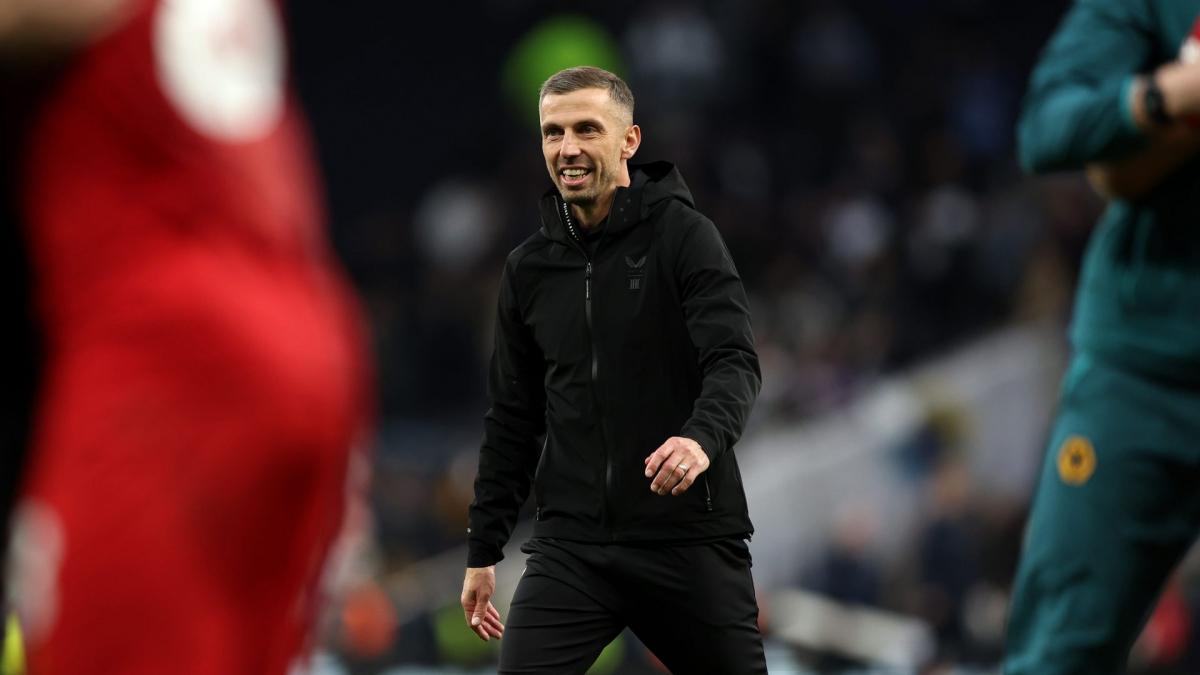
## Gary O’Neil’s Referee Rant: A Bloodbath of Frustration
In a gripping atmosphere during the quarter-final second leg of the Europa Conference League against Mainz, Strasbourg found themselves in a dire situation, trailing 2-0 at the half. The stakes were high, and tensions were palpable. Yet, the match would not be remembered solely for the scoreline, but for the explosive remarks made by Strasbourg’s head coach, Gary O’Neil, regarding the referee’s questionable decisions.
### High Drama and Poor Decisions
The first half of the match unfolded with tremendous intensity, showcasing skilled play from both teams. However, a critical moment arose when Mainz’s player, Kohr, delivered a nasty nudge to Strasbourg’s Moreira. The incident could have warranted a red card, effectively leaving Mainz with ten men. Instead, the referee opted for a mere yellow card, igniting a firestorm of anger in O’Neil.
The coach’s visible frustration erupted as he confronted the fourth official, stating, “He must go to prison, he is bad.” This declaration not only underscored O’Neil’s dissatisfaction with the officiating but also highlighted the growing concern among coaches about referee accountability in the sport.
### The Consequences of Heated Words
O’Neil’s impassioned outburst poses potential consequences for the Strasbourg coach. In football, criticism directed at referees often brings disciplinary actions from governing bodies. Coaches frequently find themselves in hot water for such comments, especially when they cross the line into personal attacks or threats of any kind.
While it’s understandable for managers to defend their teams and voice their frustrations, they must tread carefully. O’Neil’s choice of words might lead to a fine or potentially a touchline ban, affecting his team’s preparation for future matches.
### The Role of Referees in Modern Football
This incident brings to the forefront a larger issue in modern football: the role and performance of referees. With the introduction of technology such as VAR, expectations for officiating have significantly increased. Fans and players alike demand fairness and accuracy in decision-making, especially in high-stakes matches like the Europa Conference League.
In many instances, poor decisions can alter the course of a game, as seen in Strasbourg’s challenging scenario. Coaches like O’Neil are left grappling with these outcomes, often leading to emotional responses when genuine concerns about refereeing come to the surface.
### Conclusion: A Call for Improvement
Gary O’Neil’s visceral reaction to the referee’s decision provides a window into the pressures faced by coaches in the high-stakes world of football. While such comments are understandable given the circumstances, it also underscores a crucial need for ongoing training and improved accountability for referees in the sport.
As the football world evolves, ensuring that referees are adequately equipped to handle the intensity of top-level matches will be paramount. With passionate coaches defending their teams, the hope is for a more balanced approach to officiating that can satisfy players, coaches, and fans alike.