
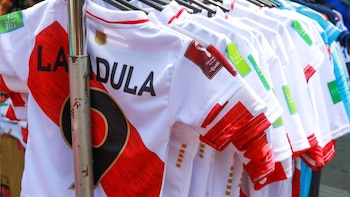
Gamarra Entrepreneurs Win Right to Use National Symbols
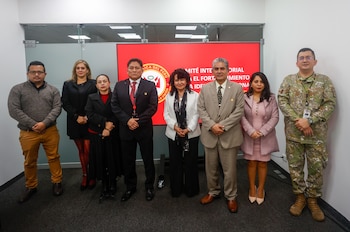
Gamarra entrepreneurs will continue to leverage national symbols and emblems in their textile productions following a recent meeting with the Ministry of Defense (MINDEF). The discussion revolved around the draft of Regulation No. 32251 , marking an important regulatory step for the textile industry.
Susana Saldaña, the president of the Gamarra Entrepreneurs Association , confirmed to Infobae Peru that there would be no blanket prohibition on the commercial use of these symbols, allaying fears among merchants. The aim of this regulatory process is to distinguish between the *official use* by state entities and the *unofficial use* within the private sector, particularly in textiles.
During the meeting, held on August 7, Saldaña emphasized that the sale of garments adorned with national motifs constitutes a significant portion of business for many micro and small enterprises . These products usually experience spikes in demand during sporting events and national holidays, leading to steady sales throughout the year.
Controversy Over Regulation Articles
Saldaña specifically urged the withdrawal of Article 85 of the Regulation, which proposed municipal fines for unauthorized use of national emblems. This was met with opposition as outrages or mockery of national symbols are already punishable under the Criminal Code . The imposition of additional penalties on small enterprises was deemed excessive.
“More administrative fines targeted at micro and small businesses seemed like an overreach,” Saldaña remarked in her interview. She also advocated for eliminating Article 57 , which included provisions for the use of the national arms shield.
The meeting also saw representatives from other business sectors, including members from Comex and Entrequipa , voicing similar concerns regarding the proposed regulations. According to Saldaña, the Ministry of Defense stated that the regulation aims to establish clear guidelines for the official use of symbols while differentiating criteria for private use.
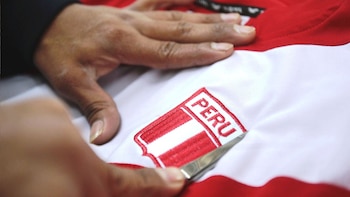
Ultimately, garments featuring the flag or other national emblems will not face new restrictions. The Criminal Code will still punish any expressions of outrage or mockery, but legitimate commercial uses will remain authorized.
Impact of Misinformation on the Industry
After the initial announcement of the law, Saldaña noted that many business owners were anxious, leading to supply purchases being halted as wholesalers were unclear about the future of their trades. Misinformation fueled fears of a ban on selling garments that exhibit national symbols, negatively impacting sales and generating uncertainty in the market.
Gamarra is still grappling with recovering from the inconsistent sales experienced post-pandemic. Currently, sales are only half of what they were prior to 2020. Saldaña stated, “Our annual projection is to reach 5,000 million soles “, whereas before the pandemic, it already surpassed 7,000 million soles .
Saldaña reiterated that the Gamarra textile industry will remain vigilant on the regulatory process and will continue to produce textile garments featuring national symbols while awaiting the outcome of the consultation stage regarding the proposed regulations.
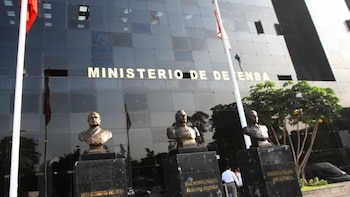
Furthermore, the Ministry of Defense is conducting open forums with various stakeholders to ensure that the regulations are equitable and cater to diverse sectors. This includes discussions with the BCRP about the announced widening of 1 sol coins for the alteration of the shield, as well as stipulations regarding mandatory strips for the national anthem .
Public entities, business representatives, and unions anticipate that the final version of the regulation will uphold legitimate commercial usage of national symbols without imposing additional burdens or restrictions on micro and small enterprises (MYPES).