
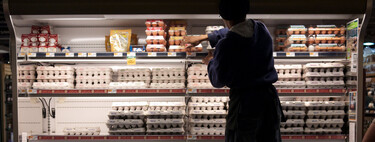
The Complexity of Egg Labels
Recent news surrounding egg prices has highlighted a concerning trend: consumers may unknowingly be paying a premium for free-range eggs that don’t align with their expectations. This revelation stems from a notice by the OCU, indicating that many eggs labeled as free-range might not meet those standards in practice.
Understanding Egg Types
When we stroll through the supermarket, we’re met with various egg options. Egg types are categorized based on the conditions under which the hens are raised. The cheapest options come from hens confined to cages, while the higher-priced “free-range” eggs, designated as code 1, are supposed to come from hens allowed to roam outside. There are also organic eggs, which require specific dietary standards for hens.
The Financial Implications
The price for free-range eggs reflects the notion of better living conditions for the hens. Currently, an average dozen eggs from caged hens costs around €3.25, whereas free-range eggs are priced at approximately €4.13, translating to an additional charge of nearly €0.88. This cost premium raises questions about the value consumers receive.
Current Health Crises and Their Impact
The recent spike in egg prices is not solely due to market dynamics; it also relates to a bird flu epidemic impacting hen populations across the globe. In response, the Ministry of Agriculture mandated that hens be kept indoors, starting in November, to contain the outbreak. As a result, producers continue labeling their eggs as free-range, despite the hens being confined. This raises a crucial question: has the price difference between free-range and caged eggs withered away?
Legal Gray Zones: EU Regulations
The legality of selling eggs labeled as free-range while coming from confined hens is contentious. According to EU Delegated Regulation 2023/2465, producers are granted a grace period of up to 16 weeks to maintain the “free-range” designation during health crises. The purpose of this provision is to protect farmers from sudden market losses due to unforeseen circumstances.
Lack of Consumer Awareness
While regulatory protections exist, the OCU points out a fundamental issue: consumers are often kept in the dark. Their studies reveal that leading brands do not disclose changes in breeding conditions on their labels. This lack of transparency leaves shoppers misinformed about what they are purchasing.
Calls for Clearer Communication
The OCU emphasizes the necessity for more consumer information rather than lifting confinement measures—necessary for public health. They advocate for improved labeling practices similar to adjustments made during events like the sunflower oil shortage triggered by geopolitical turmoil. Clarity is crucial in ensuring people understand the conditions of the products they buy.
Price Discrepancy or Justified Costs?
Ultimately, consumers are presently paying nearly €1 extra per dozen for eggs labeled as free-range. This seems unjustifiable when the conditions for both free-range and conventional eggs converge. There is an argument for adjusting prices to reflect the reality of confined hens, regardless of the label attached.
As regulatory frameworks adapt to changing conditions, it’s vital for consumers to advocate for transparency and honesty in food labeling. The balance between farmer welfare and consumer rights must be maintained, ensuring that everyone has access to accurate information regarding the food they consume.