

Spain’s Battle Against Fraudulent Calls: An Ongoing Challenge
Spain is grappling with a significant problem concerning fraudulent calls . From scammers masquerading as legitimate companies like Indeed , offering fake job opportunities, to persistent calls aimed at commercial exploitation, the issue has escalated to a point where the government has had to step in. Recently, regulations have been enacted requiring these calls to come from specific prefixes, 900 and 800 , while traditional numbers like 600 and 700 have been banned to combat this growing menace.
Whether this measure will prove adequate remains to be seen. As of now, it appears that even Spanish banks have begun to take action against fraudulent attempts. According to reports, Spanish banks have initiated measures aimed at curbing this problem.
Who Is Calling? A New Tool from ING Direct
“Who is calling me?” is the name of the tool recently launched by ING Direct in Spain. This application is designed specifically for its customers . Users need to access the app and input the phone number in the Help section under Who is calling me to check its legitimacy.
ING will verify whether the number is associated with one of its agents and will promptly inform you if it should be reported as a fraud attempt or if it can be saved as an official contact. It’s crucial to note that this safety measure only applies to numbers registered with ING; other scam attempts will not be detectable through this service.
This isn’t the first attempt to tackle the issue. For example, Monzo, a digital bank based in the UK, has implemented a different but useful safety measure. While on a call, if a user accesses the bank’s app, it displays a notification stating that they are not the ones making the call.
This feature effectively prevents users from making transactions if someone is impersonating an agent. Unfortunately, no Spanish bank has introduced a similar functionality as yet.
Why Government Measures May Not Be Enough
Although the regulations put forth by the Ministry for Digital Transformation and Public Function are a significant first step, they do not serve as a universal solution. Scammers can still operate by using conventional numbers, performing SIM swapping, or utilizing disposable SIM cards, evading the restrictions on call identity.
According to government statistics, since taking the initiative to combat fraudulent calls, 14 million fraudulent calls have been blocked in Spain. Telecommunication operators are now mandated to block numbers that do not correspond with any registered user or service.
What Is Being Done?
Tech giants like Google have been proactively working on anti-SPAM and anti-fraud features within their Phone app for years. The app automatically blocks calls that, through AI analysis, appear to be scams. The app also flags messages from suspicious senders.
On the iOS side, the recent WWDC 25 marked the introduction of new features aimed at competing with Android’s more basic functions. From this version onward, users can choose to filter calls from unknown numbers, forcing the caller to explain their identity and purpose. While this is a heavy-handed approach, it serves as a more aggressive filter against unwanted calls.
Other Avenues of Attack
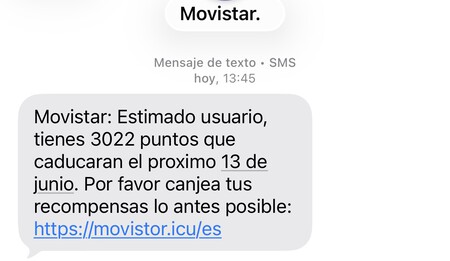
Fraudulent calls are not the only method employed by scammers. SMS messages represent another significant entry point for deception. While Google’s app blocks some of these, they remain a prevalent form of fraud.
There are no magical solutions available. Although SPAM и SCAM tactics are facing increased scrutiny and challenges, back doors remain inevitable. As always recommended, it’s essential to double-check the sender’s details, the URL directed to by any message, and never provide personal information over the phone.
Image credit | ING
In conclusion, Spain is making strides in the fight against fraudulent calls and scams through government measures, banking innovations, and technological advancements. However, while significant progress is visible, ongoing vigilance is crucial to ensure consumer safety in this ever-evolving landscape of digital threats.