
The Hearing of François Bayrou: A Deep Dive into the Inquiry
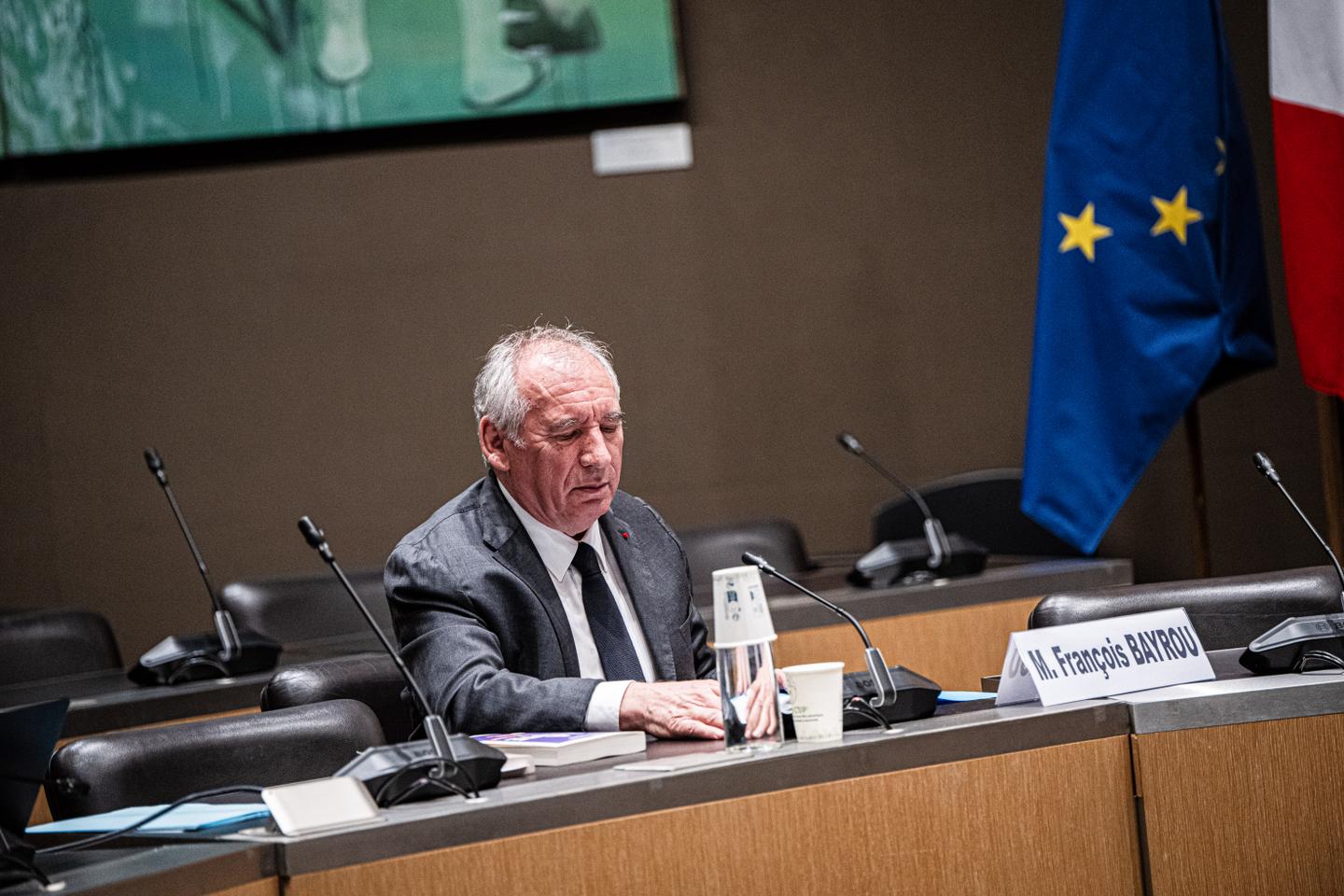
On May 14, 2025, **François Bayrou**, the Prime Minister of France, was summoned for an **extended hearing** by the commission investigating violence in **educational establishments**. Initially scheduled for about three hours, the session unexpectedly extended to a grueling **five and a half hours**. This was an essential moment for Bayrou as he faced intense scrutiny regarding his responses to allegations of covering violence within educational institutions, particularly the **Catholic establishment Notre-Dame de Betharram**.
Lengthy Examination Amidst Tensions
During this long session, Bayrou was questioned by **Paul Vannier** from La France Insoumise, **Violette Spillebout** from Renaissance, and numerous other commission members. Reports indicate that the atmosphere was often **confused** and **tense**. Despite the pressure, Bayrou described his experience as a **”liberating moment,”** asserting that it was the first opportunity for him to provide a defense regarding this contentious issue.
Feedback and Criticism from Opposition Members
Nevertheless, Bayrou’s performance did not impress everyone present. **Fatiha Keloua Hachi**, who presides over the **Commission for Cultural Affairs and Education**, criticized his answers as **confused, imprecise**, and at times **rude**. Other opposition members echoed her disappointment, viewing this hearing as a **”terrible missed opportunity.”** **Sarah Legrain**, an MP from LFI in Paris, emphasized the lack of professionalism displayed by Bayrou, describing his attitude as **”not up”** to the expectations for a Prime Minister.
The Importance of Accountability
The inquiry comes at a time when accountability is critical in French society. With growing concerns regarding **violence** in schools, the public and political leaders alike expect robust responses and insights from top governmental figures. The outcome of this commission and the public’s perception of Bayrou will undoubtedly influence the political landscape moving forward.
The Broader Implications
What makes this inquiry significant is the broader discussion it catalyzes about the role of **government** in education. The questions raised during Bayrou’s hearing highlight pressing issues of **safety**, **violence prevention**, and the effective management of **educational institutions**. Bayrou’s responses, or lack thereof, could determine if the current administration can enact **meaningful reforms** in these areas.
Public Sentiment and Future Prospects
As public sentiment sways, Bayrou’s handling of this inquiry will likely play a significant role in shaping his future political career and that of the administration. Citizens are watching closely, and the pressure for transparent and effective governance remains high. It is unclear whether Bayrou’s testimony will help in **regaining the trust** of the public or further entrench the perception of governmental **ineffectiveness**.
The May 14 hearing of François Bayrou is emblematic of larger tensions within French politics and education policy. As the inquiry unfolds, the narratives surrounding accountability, transparency, and responsibility will be crucial for evaluating the future trajectory of France’s educational systems.