
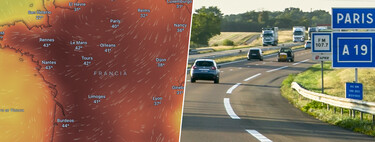
France: A Heatwave Crisis
If there is a culture shock that we Spaniards experience when crossing the Pyrenees, it is not the meal times or the language complexities, but the painful absence of blinds and even air conditioning systems. Under normal circumstances, this absence may seem like a simple architectural quirk; however, during prolonged heat waves like those currently sweeping through Europe, it escalates into a public health issue.
A New Remedy: Aluminum Foil as a Quick Fix
In late June and early July, France and Germany experienced dangerously high temperatures, surpassing the 40°C mark—an unsettling scenario for which these countries were not adequately prepared. In response, residents have resorted to makeshift solutions, covering windows with aluminum foil, kitchen towels, or thermal blankets. These measures reflect a growing desperation as homes overheat without adequate barriers to block direct sunlight.
Heat as a Political Catalyst
This crisis has also morphed into a political topic, with various parties promising substantial subsidies to help citizens install air conditioning units. Efforts are being made to address the discomfort caused by these extreme temperatures, displaying how climate issues can rapidly become political leverage.
The Science Behind the Solution
The rationale behind this unusual initiative is solid. Homes and some hospitals in Paris have started using aluminum foil due to significant heat increases and a noticeable lack of air conditioning systems. This is not merely a TikTok trend; applying aluminum foil makes scientific sense. The metal boasts a reflection rate between 95% and 98%, enabling it to bounce back nearly all solar radiation.
When sunlight penetrates through bare glass, the energy transforms into heat, contributing to the infamous “greenhouse effect.” By applying aluminum foil or thermal blankets to windows, the radiation is deflected before it can heat the interior, potentially reducing indoor temperatures by 5 to 7 °C. This reduction can significantly enhance comfort during extreme weather conditions.
Limitations of the Solution
However, transforming a living space into a foil-wrapped fortress is not without its downsides. French architect Vicent Parasie describes this method as an “emergency, economical, and superficial solution that does not integrate well into the home.” This temporary fix is not a substitute for proper sun protection or sufficient insulation.
Parasie warns that improper placement of aluminum foil can lead to thermal radiation becoming trapped between the glass and the foil, resulting in dangerous overheating which could cause glass to shatter. Additionally, exposed aluminum quickly deteriorates outdoors, rendering it a short-lived fix.
The Spanish Advantage
This situation underscores the structural advantages of southern European countries when facing novel climate challenges. The primary difference lies in Spain’s architectural and cultural readiness to handle extreme temperatures. Traditional Mediterranean features like Mallorcan blinds and awnings serve as highly effective thermal shields, allowing homeowners to reduce indoor temperatures by a reliable 4 to 5 °C simply by lowering them.
In conclusion, while the quick fix of aluminum foil may provide temporary relief for the heat-stricken homes of France and Germany, a long-term strategy involving effective architectural solutions is essential to combat the escalating impacts of climate change.