
The Recent Escalation in India-Pakistan Relations
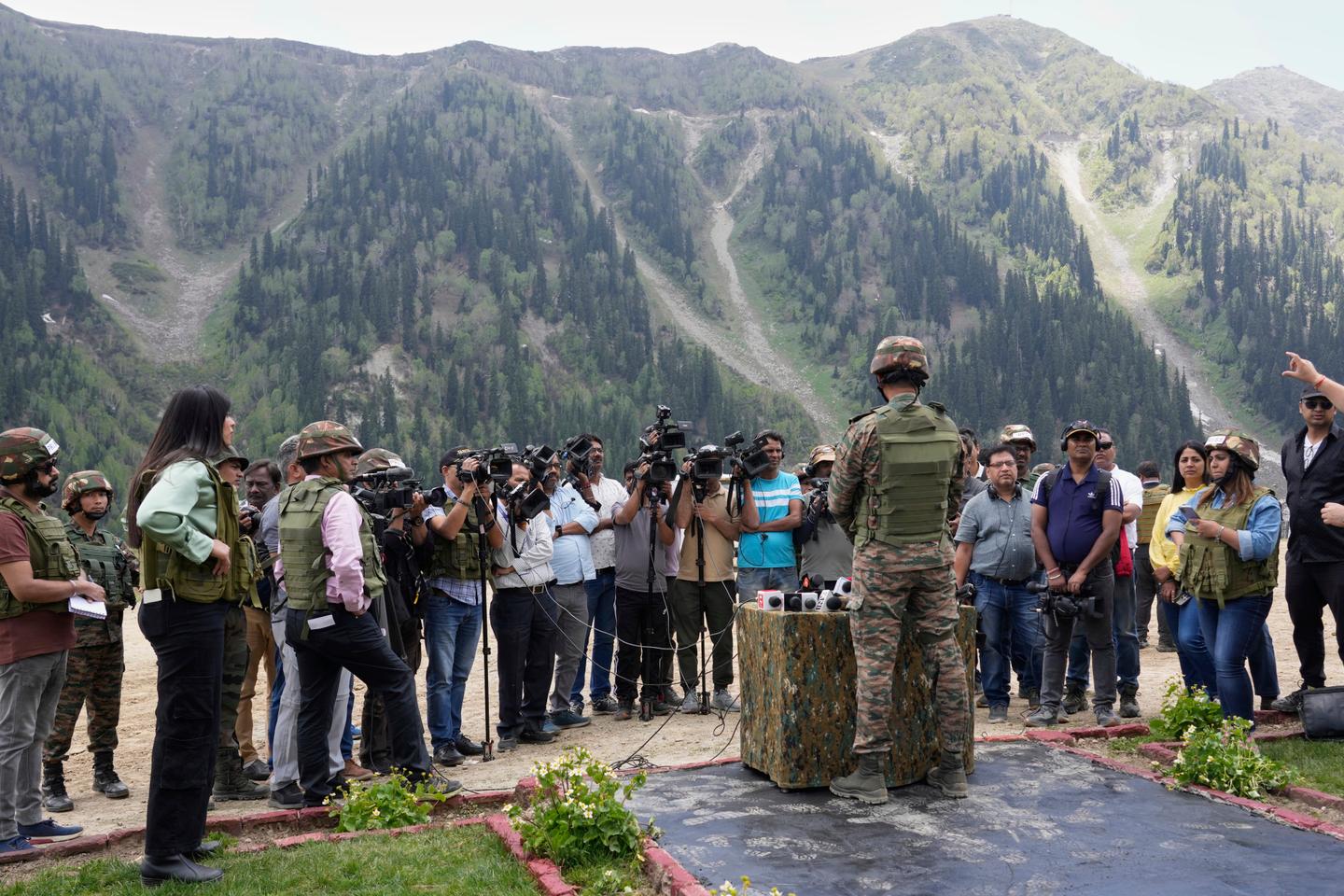
Two weeks after the end of the most violent confrontation between India and Pakistan since 1971 , the military assessment of these four days of war, which ended, on May 10 , with a ceasefire , remains surrounded by a thick mystery. Most fights have taken place in closed areas to the foreign press. The confrontation continues in the media field , and while Islamabad and New Delhi continue to pride themselves on having each achieved their objectives, the divergence of stories annihilates, at this stage, any diplomatic gain on both sides.
The Pakistanis were the first to claim victory during this closed-door war , asserting from the first day that they had managed to defend their territory and that they shot down at least five Indian fighter planes, including the Rafale bought from France . According to Islamabad, these losses were inflicted by a latest-generation Chinese-manufactured aircraft: Chengdu J-10 . New Delhi has never confirmed these losses, but did not deny them either. “Losses are part of the fight,” simply conceded the general of the Indian Air Force , Ak Bharti , on May 11.
The Impact on Regional Stability
This recent escalation highlights once again the tension that exists between these two nuclear powers . The ceasefire, while a temporary pause in hostilities, does not address the underlying issues that fuel the conflict. Kashmir remains a flashpoint, with both nations asserting their claims over the region. International observers continue to warn that any miscalculation or further provocation could lead to a catastrophic escalation.
The international community has called for restraint on both sides, emphasizing the need for dialogue and diplomacy. Yet, as history has shown, efforts to negotiate peace often falter due to a lack of trust and mutual suspicion. The narratives constructed by both governments through their respective media outlets only serve to intensify these sentiments.
Misinformation and Narrative Control
The role of media in shaping public perceptions and narratives in such conflicts cannot be understated. Both India and Pakistan have utilized state-controlled media to propagate their version of the events, often omitting crucial details or presenting information in a biased manner. This is particularly concerning given the digital age , where information spreads rapidly and can easily lead to misunderstandings and further hostilities .
The reliance on social media platforms has also contributed to the dissemination of misinformation. In the heat of confrontation, sensational stories often overshadow factual reporting. This trend complicates the prospects for peace, as both governments rely on public support for their respective military actions and policies. The polarization of narratives serves to entrench positions rather than foster dialogue.
The Human Cost
Behind the military and political narratives lies a significant human cost . Civilians in the border regions bear the brunt of the conflict, facing the constant threat of violence and instability. Reports of casualties among civilians during this recent confrontation have emerged, underscoring the need for humanitarian attention . The international community must emphasize the importance of protecting civilians and addressing their needs as part of any peace process.
Organizations working on the ground in these areas have called for human rights protections and increased humanitarian assistance . The long-term resolution of the conflict cannot ignore the voices and needs of those most affected by it.
Path Forward: The Need for Diplomatic Engagement
Moving forward, it is crucial for India and Pakistan to engage in meaningful diplomatic efforts to resolve their longstanding disputes. The Bilateral Talks have historically been a platform for addressing key issues such as Kashmir. However, the recent escalation has once again shown how fragile these dialogues can be.
International intermediaries, such as the United Nations or regional organizations, may play a critical role in facilitating discussions between the two nations. Building confidence through small agreements and collaborative projects can help in rebuilding trust.
Ultimately, a sustainable resolution will require each nation to prioritize peace over nationalism , focusing on the benefits that can be derived from cooperation rather than conflict. The stakes are high, and the consequences of failing to act could have devastating effects not just for the two nations involved, but for the entire region.