
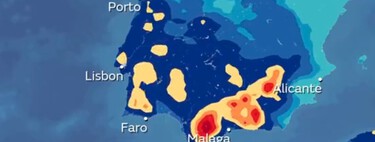
The Current Flooding Crisis in Andalusia
The ongoing situation regarding the Fresnillo dam has generated significant concern amidst rising water levels in the region. With Grazalema’s urban boundaries dangerously close, the UME monitored the reservoir closely, prompting preventive evacuations for nearby residents along the Gaidóvar riverbank. Amidst widespread rumors, the mayor was compelled to publicly refute claims regarding the potential breaching of the dam.
Evacuations and Rising Waters
As night fell, emergency services in Granada initiated a complete evacuation of Dúdar due to alarming water levels at the Quéntar dam, which had exceeded 101.46% of its capacity. Nearby, the Genil River caused significant damage, including the destruction of the Fabriquilla bridge.
Widespread Displacements
Countless residents were relocated as the water levels from the Aguas Blancas river surged, forcing hundreds to take shelter in local sports centers. In Córdoba, Navallana began discharging its water, putting further strain on the already burdened Guadalquivir channel. Back in Cádiz, the Bornos reservoir teetered near its maximum capacity, leading to preparations for emergency measures as reported by local media.
Red Alerts Across Andalusia
Currently, 14 rivers are under a red alert, while another 31 have been marked orange due to heightened flooding risks. Rivers like the Guadalete, Genil, Guadiaro, and Guadalhorce are struggling to cope with a volume of water that surpasses what the basins can handle. The overflowing of the Genil at Huétor Tájar has become so severe that the army had to intervene to manage the situation.
A Historic Benchmark of Rainfall
Grazalema has recorded over 600 liters of rainfall in just 24 hours, which challenges the capacity forecasts of local dams designed for extreme weather events occurring every 500 years. These unprecedented figures prompt critical reflection on our preparedness for such conditions.
Climate Change: A New Normal?
The flooding crisis is a wake-up call, leading us to question whether climate change is altering the frequency and severity of extreme weather events. If so, we may not just be witnessing an isolated incident, but rather a shift in the natural order that introduces new challenges for our infrastructure and communities.
As the floodwaters recede, it will be imperative to analyze this situation as a significant stress test on our water management systems. The time for action is now; we must rethink our strategies to better prepare for the future.
Image | Dream Flower
For deeper insights on how flooding events disrupt local ecosystems, refer to Xataka’s analysis on weather models struggling in conditions faced in Grazalema.